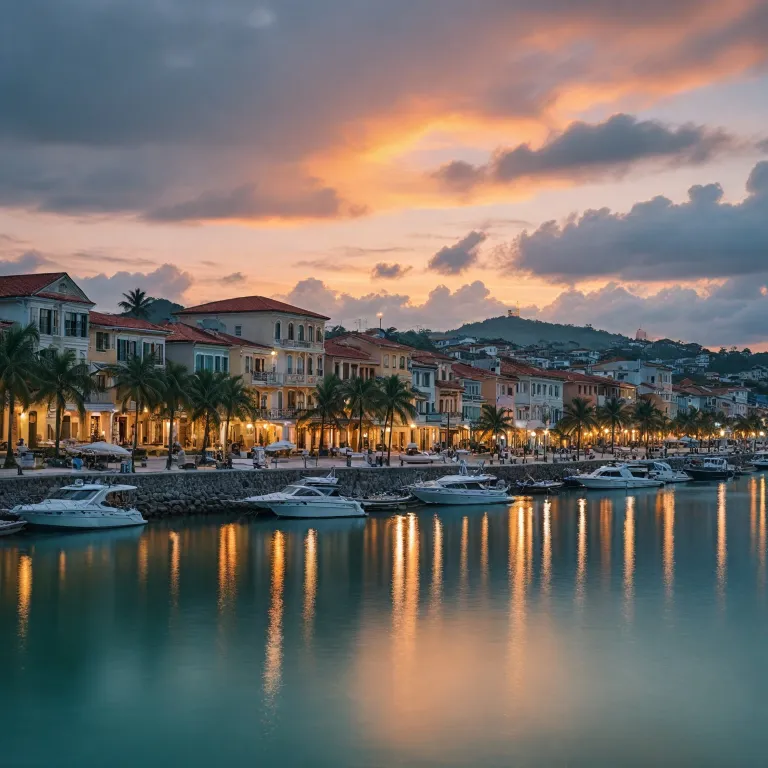
How the dry season shapes the best month to visit Panama
For many travelers, the best month to visit Panama aligns closely with the rhythm of the dry season. When you plan your time to visit, you are really choosing how you want to balance weather, crowds, and luxury hotel availability. In a country where the Caribbean coast and Pacific coast sit only hours apart, that balance matters for every premium trip.
From mid December to mid April, the dry season brings blue skies, calmer seas, and only about nine days of rain per season in many regions. This period is widely considered the best time of year to visit Panama, especially if you want to combine Panama City rooftop pools with Pacific coast or Caribbean coast sailing. The Panama Tourism Authority notes that this window is also when cultural life peaks, which adds extra value to every luxury travel Panama itinerary.
Average daytime temperatures hover around 29 °C, with nights near 22 °C, so the weather feels warm but manageable if you stay hydrated. These months are ideal for guests who want to visit Panama Canal locks by day, then return to a refined city suite without worrying about sudden rain. For many, that combination makes mid December through early April the Panama best period for a first visit.
However, the best time is not identical for every traveler, every coast, or every style of stay. Luxury guests focused on wellness retreats or quieter resorts may prefer the shoulder months at the edges of the dry season. By understanding how each season affects both the city and the coasts, you can tailor the time year of your visit Panama plans with confidence.
Balancing high season demand with luxury and premium expectations
During the dry season, Panama enters its high season, and this has a direct impact on luxury and premium hotel booking strategies. Because the best time to visit Panama coincides with school holidays in many countries, suites with canal views or ocean facing terraces in Panama City and along the Pacific coast sell out quickly. Travelers who want the most exclusive rooms during these months should secure reservations several months ahead of their trip.
High season demand is especially intense around Carnival and Semana Santa, when both domestic and international visitors travel Panama for festivals. At this time of year, the city fills with events, and the best hotels respond with curated experiences, from private transfers to the Panama Canal to chef led tasting menus. To maintain comfort despite the heat, pack lightweight clothing, sun protection, and comfortable footwear suitable for outdoor activities.
For guests seeking quieter luxury, one deep subject is how to use a premium booking website to identify properties that remain serene even in peak months. Filters for adults only pools, private beach access on the Caribbean coast, or limited room counts can help you find refined sanctuaries during the busiest time visit periods. Insights from a specialist platform can also reveal hidden gems in Panama for discerning travelers that stay calm while the city celebrates.
As the Panama rainy patterns retreat in the dry season, rates rise, but so does service personalization. Many luxury hotels add seasonal staff and concierge services to manage the influx of guests who visit Panama during these months. By aligning your expectations about price, privacy, and weather, you can still experience the Panama best of high season without feeling overwhelmed by crowds.
Regional nuances: Caribbean, Pacific, and highland microclimates
Choosing the best month to visit Panama also means understanding how each region behaves across the year. The Caribbean coast, including Bocas del Toro and the San Blas Islands, follows a slightly different rainy season rhythm than the Pacific coast. Even in the broader dry season, short bursts of rain can appear on the Caribbean side, while the Pacific coast often stays sunnier.
Luxury travelers who want overwater style stays in Bocas del Toro or yacht charters around the Blas Islands should still target the dry season months. From mid December to April, seas are generally calmer, which is important for both comfort and safety during any travel Panama itinerary that includes boat transfers. In Bocas del Toro, the combination of warm weather, clearer water, and fewer storms makes this the best time for snorkeling and island hopping.
On the Pacific coast, from the Azuero Peninsula to the Gulf of Chiriquí, the dry season brings golden light and long beach days. This is when high end resorts along the Pacific coast curate sunset dinners, surfing lessons, and whale watching excursions, all supported by predictable weather. Guests who want to split their trip between Panama City and a coastal retreat can use a specialized booking platform to compare refined stays across both coasts, including options highlighted in this guide to the best hotels in Panama for luxury travel.
In the highlands around Boquete, the time year feels cooler, with misty mornings even during the dry season. Many visitors consider February, March, and early April the best time to visit Panama’s coffee country, when rain is limited but the landscape remains lush. Whether you focus on the Caribbean, the Pacific, or the mountains, aligning your preferred climate with the right months will elevate every aspect of your visit Panama plans.
How the rainy season can still suit premium travelers
While the dry season is widely promoted as the best time to visit Panama, the rainy season has its own appeal for certain luxury guests. From roughly May to November, showers become more frequent, with October and November often seeing the most intense rain. Yet even in these rainy months, the pattern often involves clear mornings, afternoon downpours, and then calm evenings.
For travelers who value privacy and lower occupancy, this time of year can be ideal for a city focused trip. Panama City’s premium hotels often offer more attractive rates, while still providing easy access to the Panama Canal, museums, and fine dining. With fewer crowds, concierge teams can personalize experiences more deeply, from private art tours to tailored day trips along the Pacific coast.
On the Caribbean coast and in Bocas del Toro, the Panama rainy season paints the rainforest in intense greens, which appeals to eco conscious guests. Some high end lodges use this season to highlight wildlife watching, river kayaking, and wellness retreats that embrace the sound of rain as part of the experience. However, travelers should remain flexible, as heavy rain can occasionally affect domestic flights or boat transfers, especially near the Costa Rica border.
In November, national holidays and parades bring energy to many cities, even as showers remain frequent. If you plan to travel Panama during these months, pack light waterproof layers and consider travel insurance for added peace of mind. For some, the combination of lush landscapes, cultural events, and quieter hotels makes this an unexpectedly best time to visit Panama beyond the classic dry season narrative.
Aligning luxury experiences with specific months and events
For high end travelers, the best month to visit Panama often depends on which experiences matter most. Guests who want to attend Carnival usually target February, accepting higher prices and fuller hotels in exchange for vibrant parades and parties. Those who prefer religious processions and a more contemplative atmosphere may choose March or April around Semana Santa, when many communities organize solemn events.
During these peak months, the dry season weather supports long days outdoors, from Panama Canal transits to rooftop cocktails in Panama City. Many luxury hotels curate special packages that combine festival access, private guides, and late checkout to match the rhythm of celebrations. Because this is also the high season, booking early through a trusted platform helps secure suites with the best views and quiet corners for rest.
Travelers focused on beach relaxation might find that January and early March offer a balanced best time, with strong sun but slightly less crowding than mid February. This is especially true along the Pacific coast, where resorts can feel more spacious outside major holiday weeks. For a blend of city and shore, consider a split stay that pairs a few nights in a skyline facing suite with several days at a refined resort highlighted in this overview of Panama Central America resorts for refined beach and city escapes.
As the time year moves toward late April, the first signs of the rainy season appear, but crowds thin and rates may soften. This shoulder period can be a Panama best choice for travelers who value space and service over perfectly dry skies. By mapping your desired events, weather tolerance, and hotel style against the calendar, you can define your personal best time to visit Panama with precision.
Practical planning tips for premium stays across the year
Once you have chosen the best month to visit Panama for your priorities, a few practical steps will help you secure the right luxury or premium hotel. First, align your flights with your preferred season, aiming to arrive early in the day to reduce the impact of any afternoon rain. Tocumen International Airport serves as the main gateway, with domestic flights and ground transfers connecting Panama City to the Caribbean coast, Pacific coast, and highland regions.
During the dry season, especially from mid December to April, book accommodations and tours in advance due to high demand during peak season. This is particularly important if your trip includes Bocas del Toro, the San Blas Islands, or remote Pacific coast retreats, where room inventories are limited. In these areas, the best time to visit Panama often overlaps with the best time for marine conditions, so early planning ensures access to yachts, guides, and wellness services.
Throughout the year, use digital tools such as online booking platforms, virtual tours, and detailed maps to compare properties and neighborhoods. Look for transparent information about weather patterns, including how each hotel manages Panama rainy days with indoor amenities, spas, or cultural programming. When in doubt, contact the property directly to ask how the current season affects access to the Panama Canal, nearby islands, or nature reserves.
Finally, remember that the best time year for your visit Panama plans may differ from general advice. Some travelers thrive in the energy of high season, while others prefer the softer light and slower pace of the shoulder or rainy season. By combining accurate weather data, clear expectations, and the support of expert concierges, you can make every time visit to Panama feel like the Panama best version of your ideal luxury escape.
Key statistics for planning your ideal time to visit Panama
- Average daytime temperature during the dry season in many regions is around 29 °C, which supports long days of outdoor sightseeing and coastal relaxation.
- Average nighttime temperature during the dry season is close to 22 °C, offering comfortable evenings for dining on terraces in Panama City or along the coasts.
- During the dry season, some areas experience an average of about 9 days of rainfall per season, making this period the best time to visit Panama for reliably dry weather.
Essential questions about the best time to visit Panama
What is the best time to visit Panama?
The best time to visit Panama is during the dry season, from mid-December to mid-April, when the weather is favorable for outdoor activities and cultural events.
Are there any major festivals in Panama during the dry season?
Yes, major festivals such as Carnival in February and Semana Santa in March or April occur during the dry season.
What should I pack for a trip to Panama during the dry season?
Pack lightweight clothing, sun protection, and comfortable footwear suitable for outdoor activities.
Trustful expert sources
- Panama Tourism Authority – official tourism information and seasonal guidance
- Journey Latin America – climate data and regional travel insights for Panama
- Autoridad del Canal de Panamá – operational details and visitor information for the Panama Canal