Plan where to stay in Panama with this concise guide to hotels in Panama City, Río Hato, and Bocas del Toro, including specific property examples, price ranges, and transfer times.
Is a hotel in Panama right for your trip?
Panama rewards travelers who like contrasts. One night you are watching ships line up for the Panama Canal from a high-rise terrace, the next you are waking up to howler monkeys near the Caribbean. Choosing the right hotel in Panama is less about chasing the “best” property and more about matching your stay to the rhythm you want.
In Panama City, luxury hotels cluster along the waterfront beltway and in the financial district, a short drive from the historic quarter and the canal locks. You get skyline views, polished service, and outdoor pool decks that look over the bay rather than a beach. Out on the coasts, from the Pacific near Río Hato to the islands of Bocas del Toro, the mood shifts to sand, mangroves, and slower nights under fans instead of city lights.
If you want a city break with strong restaurants, rooftop bars, and easy day trips, a Panama City hotel is the most efficient choice. If your idea of Panama is more about palm trees and reef, you will likely split your time between the capital and a second stop in Bocas del Toro or on the Pacific coast. The country is compact, but not everything is a quick hop, so it pays to check travel times before you lock in reservations.
Panama City: where to stay and what to expect
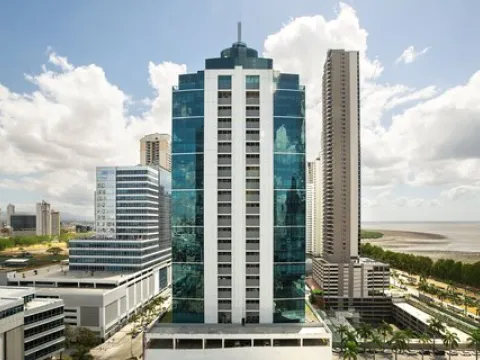
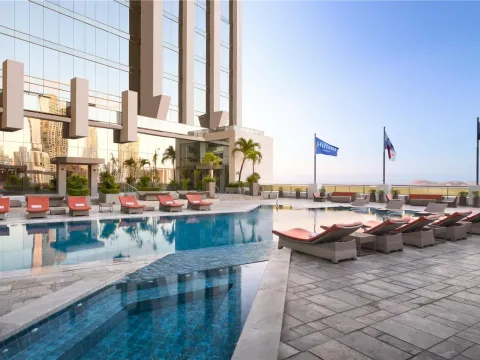
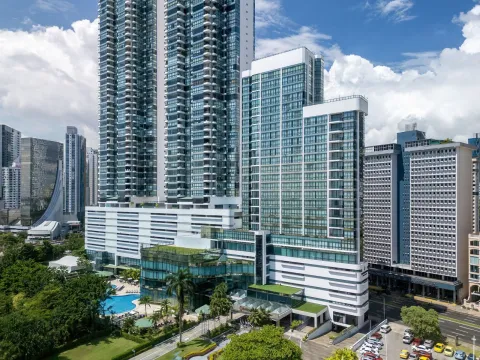
On Avenida Balboa, towers face the Pacific with uninterrupted views of ships queuing for the canal. This is where many of the city’s flagship luxury hotels sit, with long outdoor pool terraces, polished lobbies, and quick access to the Cinta Costera waterfront path. You are a 10 to 15 minute drive from the Miraflores or Cocolí locks, close enough for a half-day canal visit without sacrificing urban comforts.
Move inland towards Calle 50 and the banking district and the atmosphere changes. Here, international chains, including several IHG-affiliated brands such as Crowne Plaza and Holiday Inn style properties, cater to business travelers who also appreciate weekend calm. Rooms tend to be larger, club floors are common, and you are well placed for restaurants in Obarrio and San Francisco, two of the city’s most popular dining neighborhoods.
Casco Antiguo, the historic quarter, offers a different proposition. Streets like Avenida Central and Calle 9 Oeste are lined with restored townhouses, plazas, and churches, and many travelers choose a smaller Panama hotel here for character and walkability. You trade the big outdoor pool and high-rise views for stone balconies, rooftop bars, and the ability to stroll to dinner or a gallery at night. For a first stay in city Panama, a split between Casco and the modern waterfront can work remarkably well.
Sample Panama City hotels by area and style
- Waterfront / Avenida Balboa: Hilton Panama (upper-mid to high-end, often around US$140–250) for bay views and a full-service spa; InterContinental Miramar Panama (similar range) for a large outdoor pool facing the Cinta Costera; JW Marriott Panama (typically higher, from about US$220–350) for resort-style decks and a more secluded feel.
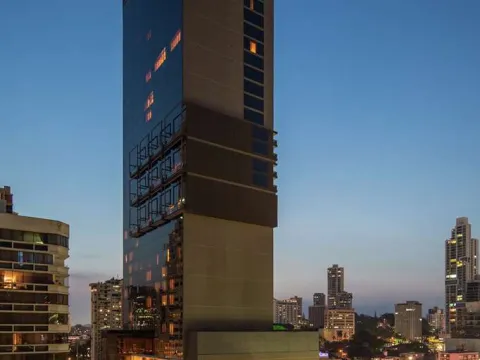
- Financial district / Calle 50: Crowne Plaza Panama (mid-range, roughly US$90–150) for business-friendly rooms and club access for elite members; Holiday Inn Panama Distrito Financiero (similar bracket) for reliable comfort and easy access to Obarrio; Global Hotel Panama (often US$120–190) for a boutique-leaning tower with generous rooms and skyline views.
- Casco Antiguo: American Trade Hotel (upper-mid to luxury, usually US$220–350) for design-led interiors and a central plaza location; La Concordia Boutique Hotel (similar tier) for spacious suites and rooftop cocktails; Central Hotel Panama Casco Viejo (often US$180–280) for heritage architecture and a small pool near Plaza de la Independencia.
Beach, islands, or city lights: choosing your Panama base
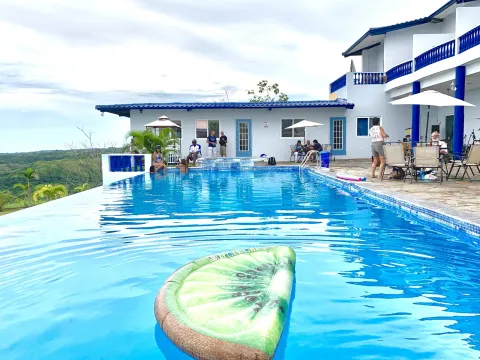
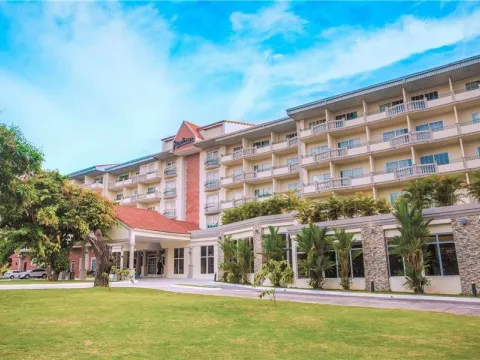
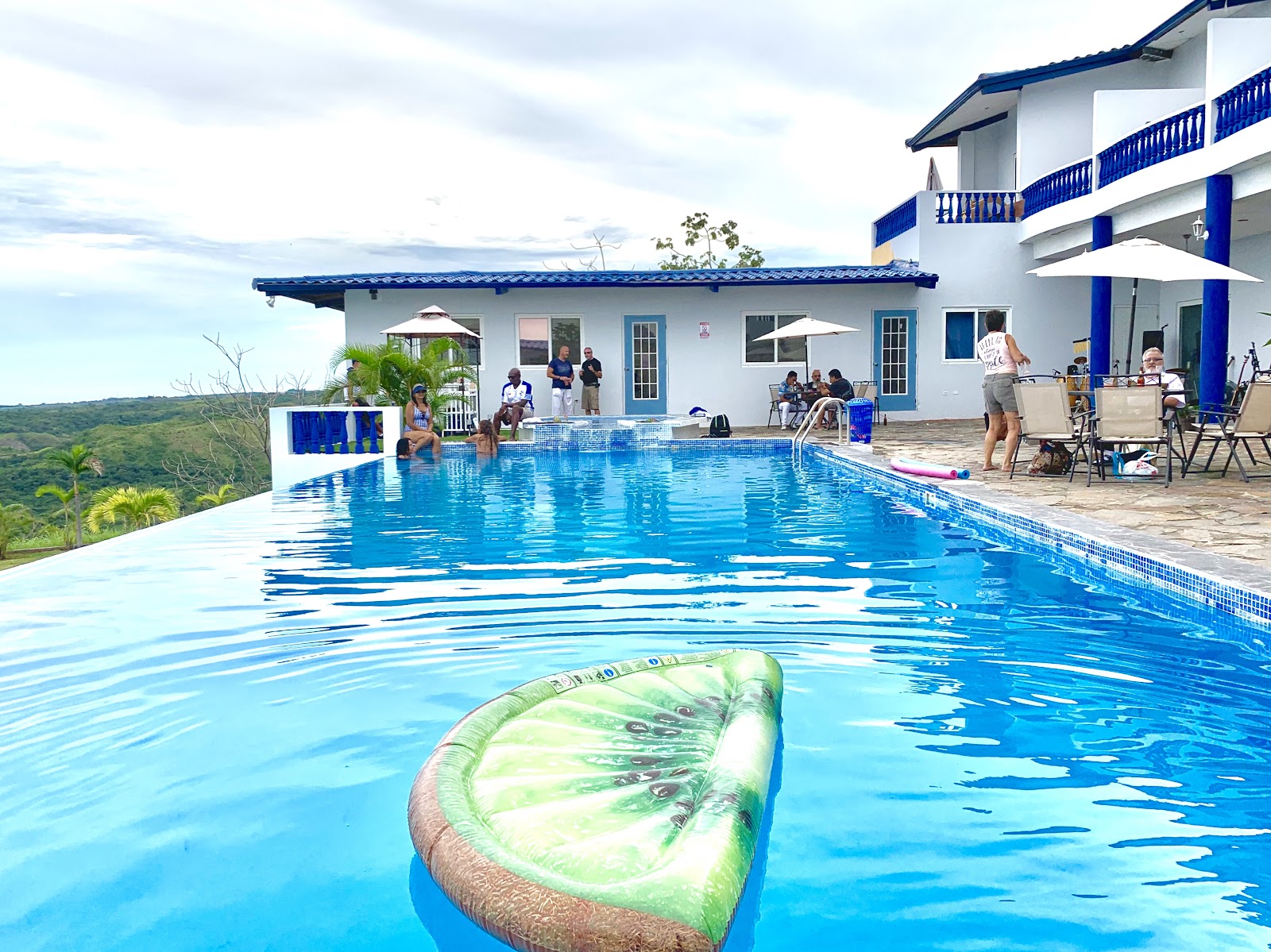
For pure beach time, the Pacific coast near Río Hato is the most straightforward extension from Panama City. Resorts along this stretch offer long sandy beaches, palm-lined pools, and a self-contained feel, with most activities centered on the property. It suits travelers who want to unpack once, swim, and not think too much about logistics. Nights are quiet, the soundtrack more waves than traffic.
The Caribbean side, especially Bocas del Toro, delivers a different palette. Think wooden decks over turquoise water, boat taxis instead of taxis, and days shaped around snorkeling, surfing, or simply watching the light change over the mangroves. Hotels in Bocas del Toro range from simple guesthouses to polished luxury hotels, but even the most refined properties keep a barefoot, low-rise aesthetic. If you crave nightlife, you will find it in Bocas Town, though it is more laid-back bars than big-city clubs.
Some travelers try to do everything in one trip: Panama City, the canal, a few nights in Bocas del Toro, and a Pacific beach stay. It is possible, but you will spend more time in transit. A more considered approach is to choose one coastal base that matches your style and pair it with a city Panama stay at the beginning or end. That way, you enjoy both the canal and the coast without turning your holiday into a race.
Quick comparison: best areas for different travelers
- Best for first-timers: Panama City (waterfront or Casco Antiguo) plus one coastal base.
- Best for families: larger Pacific resorts near Río Hato with kids’ pools and easy beach access.
- Best for couples: boutique hotels in Casco Antiguo or small eco-lodges in Bocas del Toro.
- Best for nightlife: Panama City for rooftop bars, Bocas Town for relaxed Caribbean evenings.
Understanding Panama hotel brands and standards
International brands are well represented in Panama City, which reassures travelers who like predictable standards. You will find properties aligned with IHG, as well as familiar names similar in style to Hilton Panama, Crowne Plaza, or an upscale inn in Panama’s financial district. These hotels usually offer generous rooms, structured loyalty programmes for member guests, and consistent amenities such as fitness areas and large pools. They work especially well if you are combining business with leisure.
Independent luxury hotels, by contrast, lean into design and locality. In the historic center, many occupy restored buildings with original tiles, internal courtyards, and rooftop spaces that frame the domes and church towers of Casco Antiguo. Service can feel more personal, with staff quick to arrange a car to the Panama Canal or a table at a hard-to-book restaurant in San Francisco. The trade-off is that facilities such as a vast outdoor pool or multiple restaurants on site may be more limited.
Outside the capital, standards vary more. On the Pacific coast and in Bocas del Toro, some of the most appealing hotels in Panama are small, high-touch properties with strong sustainability credentials and a focus on local experiences rather than brand recognition. When you check hotel descriptions for these areas, pay close attention to transfer logistics, on-site activities, and whether the atmosphere skews towards families, couples, or groups of friends. A clear sense of your priorities will help you filter quickly.
Representative hotels and typical price tiers
- Panama City, waterfront: large branded towers comparable to Hilton Panama (upper-mid to luxury, often from mid-range to high nightly rates); InterContinental Miramar Panama in a similar bracket for resort-style pools; JW Marriott Panama at the higher end for extended-stay comfort.
- Panama City, financial district: business hotels similar to Crowne Plaza Panama or Holiday Inn style properties (mid-range, with frequent deals for member guests), plus independent towers like Global Hotel Panama with slightly higher rates but more boutique character.
- Casco Antiguo: boutique heritage hotels in restored townhouses (upper-mid to high-end, with fewer rooms and more personalized service), including American Trade Hotel and Central Hotel Panama Casco Viejo.
- Río Hato / Pacific coast: all-inclusive style beach resorts with multiple pools and restaurants (mid-range to luxury, depending on season and inclusions), such as The Buenaventura Golf & Beach Resort, Royal Decameron Panama, and Playa Blanca Beach Resort.
- Bocas del Toro: small eco-resorts and overwater-style lodges (mid-range to high-end, often including some activities or meals), including Azul Paradise, Punta Caracol Acqua Lodge, and Red Frog Beach Island Resort.
What to check before you book a hotel in Panama
Location in Panama City is the first serious filter. Look at a map and note the distance from your hotel to three anchors: the Panama Canal visitor center, Casco Antiguo, and the airport. A property on Avenida Balboa or near Plaza Panamá will give you fast access to the waterfront and business district, while a stay inside the old quarter prioritizes charm and evening walks. Decide whether you want to wake up to sea, skyline, or cobblestones.
Next, examine facilities with a critical eye. If a pool is important, check whether it is a true outdoor pool with space to swim or more of a decorative rooftop plunge. In beach areas like Río Hato or the islands near Bocas del Toro, confirm whether you have direct beach access or need a short transfer by car or boat. For canal-focused stays, see if the hotel offers curated excursions to the locks or Gatún Lake, or whether you will arrange those separately.
Finally, look closely at room categories and what is included. Some Panama hotels offer club floors or member-only lounges that change the feel of your stay, especially on business-heavy nights. Others include thoughtful extras such as complimentary breakfast, local coffee in the room, or transfers to key sites. Rather than comparing only rates or headline prices, compare what your stay will actually feel like from morning to night.
Typical transfer times, ballpark costs, and seasonal notes
- Panama City airport to downtown hotels: around 25–35 minutes by taxi in normal traffic, with fares often in the moderate range for a capital city; expect higher demand and slightly longer journeys in evening rush hour.
- Panama City to Miraflores Locks: roughly 20–30 minutes by car from most central hotels, usually priced as a short city transfer; visiting earlier in the day can help you avoid tour-bus crowds.
- Panama City to Río Hato: about 1.5–2.5 hours by road, with private transfers and shared shuttles typically costing more than a city taxi but less than a domestic flight; weekends and local holidays can add traffic along the Pacific corridor.
- Panama City to Bocas del Toro: around a one-hour domestic flight from the city plus a short taxi or boat ride, with airfares varying by season and demand; dry months from roughly December to April are popular and often book up earlier.
Who Panama hotels suit best – and how to choose your area
Urban explorers who like to walk, eat, and people-watch will be happiest splitting their time between Casco Antiguo and the modern city. A hotel in or near the old quarter lets you wander past the cathedral on Plaza de la Independencia at night, then take a short ride back to a tower hotel for a late swim. This combination works especially well for a first visit, when you want both history and skyline.
Beach-focused travelers, including families, tend to gravitate towards the Pacific resorts near Río Hato. Days revolve around the pool, the beach, and simple excursions, with little need to navigate city traffic. Those who prefer a more bohemian, Caribbean feel will find Bocas del Toro more compelling, especially if they enjoy boat trips, snorkeling, and long, unhurried evenings. Here, many of the most memorable hotels are those that integrate gently into the landscape rather than dominate it.
If your trip is short, two or three nights in Panama City may be enough, with one full day dedicated to the canal and another to Casco Antiguo and the Cinta Costera. With a week or more, you can comfortably add either a Pacific beach stay or time in Bocas del Toro. In every case, the key is to check availability early for peak periods and to be honest about whether you want more city energy or more sea breeze.
At-a-glance: matching areas to travel styles
- City and culture: Panama City waterfront plus Casco Antiguo for museums, dining, and canal access.
- Relaxed resort stays: Río Hato and nearby Pacific beaches for all-inclusive style properties.
- Nature and snorkeling: Bocas del Toro for reef, mangroves, and small-scale eco-hotels.
- Short breaks: focus on Panama City with a single organized day trip to either the canal or a nearby beach.
How to compare luxury hotels in Panama without overthinking it
Start with three simple questions. Do you want city, beach, or islands? Do you prefer the structure of a large international brand or the intimacy of a smaller independent property? And how much time are you willing to spend in transit between places like Panama City, Río Hato, and Bocas del Toro? Once you answer those, the field narrows quickly.
Within the capital, compare hotels Panama offers by looking at their immediate surroundings as much as their interiors. A tower facing the bay near the Cinta Costera will feel very different from a property tucked behind Calle Uruguay, even if both have similar rooms and pools. For travelers loyal to specific programmes, it can make sense to prioritize a brand aligned with IHG or another major group, especially if you value member benefits such as late check-out or lounge access.
On the coasts and islands, focus less on brand names and more on setting and access. Check hotel descriptions for how close you are to the beach, what kind of boat transfers are involved, and whether key experiences such as snorkeling in Bocas del Toro or visiting nearby islands are easy to arrange. In the end, the right Panama hotel is the one whose location, atmosphere, and rhythm match the way you actually like to travel, not just the one with the most polished photos.
Simple checklist for narrowing your options
- Confirm how long it takes to reach the hotel from Panama City or the airport.
- Decide whether you want a branded luxury tower, a boutique inn, or an eco-lodge.
- Compare what is included in the nightly rate, not just the headline price.
- Match the hotel’s typical guest profile (families, couples, groups) to your own plans.
Is Panama City a good base for a first trip to Panama?
Panama City is an excellent base for a first visit because it combines easy access to the Panama Canal with a lively dining scene and a wide range of hotels. You can stay in the modern waterfront district for skyline views and large pools, or in the historic Casco Antiguo for walkable streets and character. From the city, day trips to the canal locks and nearby rainforest are straightforward, so you can experience both urban and natural sides of the country without changing hotels.
How many nights should I spend in Panama City versus the beach or islands?
For most travelers, three nights in Panama City and three to four nights on the coast or in Bocas del Toro strikes a good balance. That gives you one full day for the canal, one for Casco Antiguo and the Cinta Costera, and then several days dedicated to beach or island time. With a shorter trip, prioritize the capital and a single overnight excursion; with more than a week, you can comfortably add both a Pacific beach stay near Río Hato and time in Bocas del Toro.
What should I look for when choosing a luxury hotel in Panama?
Focus first on location, especially proximity to the canal, Casco Antiguo, or the beach, depending on your priorities. Then compare facilities such as the size and setting of the outdoor pool, on-site dining, and whether the hotel offers curated excursions. Finally, review room categories and inclusions, such as access to club lounges for member guests, complimentary breakfast, or transfers, as these details often shape the overall feel of a luxury stay more than décor alone.
Are beach hotels in Río Hato very different from those in Bocas del Toro?
Yes, the experience is quite different. Resorts near Río Hato on the Pacific coast tend to be larger, more self-contained properties with long sandy beaches, multiple pools, and a structured resort atmosphere. In Bocas del Toro, hotels are generally smaller and more integrated into the natural environment, with a stronger focus on boat-based activities, snorkeling, and a relaxed Caribbean pace. Your choice should depend on whether you prefer a classic resort feel or a more informal island experience.
Do I need to split my stay between different areas of Panama?
You do not have to, but splitting your stay often makes sense if you want both city and sea. A common pattern is to start in Panama City for the canal and culture, then move to either a Pacific beach near Río Hato or the islands of Bocas del Toro for slower days by the water. If your time is limited, staying in one well-chosen area and planning targeted day trips can still deliver a rich sense of the country without the extra transfers.