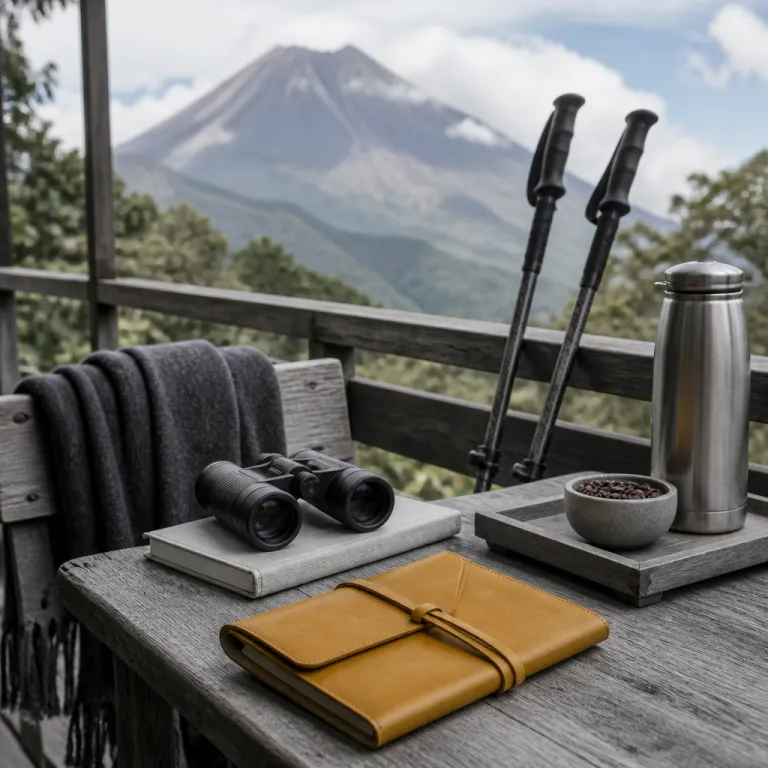
Volcán Panama and the Chiriquí highlands for luxury travelers
Volcán Panama sits in western Panamá, in the cool Chiriquí Province highlands. The town of Volcán in this Chiriquí province offers a rare mix of refined comfort, agricultural heritage, and quiet mountain living that appeals to discerning guests. For travelers used to Panama City penthouses and oceanfront suites, the slower rhythm of staying in Volcán Chiriquí feels like a luxurious reset.
Set at around 1 400 meters above sea level, Volcán enjoys an average temperature close to 18 °C, which makes it one of the most comfortable climates in Panamá for hiking and open air dining. According to Panama’s National Institute of Statistics and Census and national climate summaries, Volcán’s elevation and mid teens temperatures are consistently cooler than coastal cities such as David or Panama City. This altitude and climate also shape the cost of living in Volcán, since local farmers supply much of the fresh produce that appears on tasting menus in high end hotels across Chiriquí Panamá. Volcán residents, local farmers, and tourists share the same compact city style grid, yet the town still feels more like a mountain village than a busy province Panamá hub.
From a luxury booking perspective, the wider Tierras Altas district that includes Volcán, Cerro Punta, and nearby rural communities offers a portfolio of intimate lodges, private villas, and countryside properties with sweeping views. Many of these properties sit on former agricultural real estate, where an old house has been transformed into a refined guest retreat with a direct view of Volcán Barú and the patchwork of tierras altas farms. This blend of working lands and curated comfort is what makes living in Volcán and staying in Volcán Panamá so compelling for travelers who value authenticity as much as service.
Choosing your luxury base: Volcán, Boquete, or David
When planning a high end escape around Volcán Panamá, most travelers compare three main bases in Chiriquí Panamá. Volcán itself offers tranquility and direct access to Volcán Barú, while Boquete provides a livelier scene, and David functions as the practical city gateway for flights and services. Your choice of city or town will shape both your daily rhythm and your overall cost of living during the trip.
Boquete, in the eastern part of Chiriquí province, has long been the best known highland destination, with a dense cluster of upscale hotels, coffee estates, and river view suites. Many guests split their time between Boquete and Volcán Chiriquí, using a private driver from David to move between the two sides of the volcano and compare the different properties and landscapes. One recent visitor described the contrast as “waking up in two different worlds around the same mountain, from Volcán’s quiet gardens to Boquete’s café terraces,” which captures the appeal of combining both sides of Volcán Barú in a single itinerary.
David, the capital city of Chiriquí, sits at a much lower altitude, so the climate is warmer and more humid than in the tierras altas. Many luxury travelers use David as a logistical hub, arriving by air, then transferring by private car to Volcán, Boquete, or Cerro Punta for the main part of their stay in the province. This pattern keeps the higher cost of living in Panama City limited to a night or two, while maximizing time in the cooler Chiriquí highlands where the view of Volcán Barú and the surrounding properties feels far removed from urban Panamá Chiriquí traffic.
Hidden gem highland enclaves around Volcán Barú
The wider Volcán Panamá area is dotted with small communities that feel like private worlds, ideal for guests seeking seclusion and character. Cerro Punta, northwest of Volcán, is one of the most atmospheric corners of Tierras Altas, with misty hillsides, flower farms, and a handful of discreet lodges overlooking emerald fields. Many travelers pair a few nights in Cerro Punta with time in Volcán Chiriquí to experience both the agricultural heartland and the more residential side of highland living.
To the south and west, the Tierras Altas district stretches toward Río Sereno and the border with Costa Rica, where the landscape opens into rolling pastures and forested slopes. In this area, you will find rural properties and family estates that occasionally appear as exclusive rentals, giving guests a sense of living in Volcán rather than simply passing through as tourists. The road toward Río Sereno also reveals striking viewpoints of Volcán Barú and the broader Chiriquí province, with the Pacific lowlands and even the distant city of David visible on clear days.
On the eastern side of the highlands, the route toward Boquete and the central valley passes through smaller settlements and forest corridors that feel far removed from Panama City. Travelers who appreciate volcanic landscapes often combine a stay in Volcán Panamá with a visit to El Valle de Antón, another crater town further east ; an in depth look at El Valle de Antón’s emerging luxury scene can help you decide how to balance both destinations. This multi stop approach lets you compare different expressions of volcanic terrain across province Panamá, from the rugged slopes of Volcán Barú to the gentler crater walls of El Valle.
Volcán Barú experiences for premium guests
Volcán Barú, the highest peak in Panamá, dominates the skyline of Volcán and Boquete and shapes almost every view from high end properties in the region. For luxury travelers, the goal is not only to see the volcano from a distance, but to curate experiences that feel both comfortable and immersive. Private sunrise drives to the summit, guided birdwatching walks, and tailored farm visits are among the most sought after activities around Volcán Barú.
Many hotels and villas in Volcán Panamá and Boquete work closely with local farmers and guides to design experiences that highlight the agricultural richness of Chiriquí province. Guests can tour coffee fincas, walk through vegetable fields in Tierras Altas, and then return to a refined dining room where the same ingredients appear in multi course menus. Properties such as Bambito Hotel & Resort in the Cerro Punta area and Finca Dracula’s guest accommodations near Volcán illustrate how former rural estates have evolved into comfortable bases for exploring the highlands while staying close to working farms. The context of Volcán’s fertile volcanic soil and cool climate means that even a simple house garden can produce exceptional herbs and vegetables, which reinforces the sense of living well in Volcán Chiriquí.
For travelers who value privacy, arranging exclusive access to viewpoints and trails is often worth the additional cost. Some properties in Cerro Punta and the wider tierras altas maintain private paths that lead to panoramic lookouts over the province Panamá landscape, with Volcán Barú rising above the patchwork of farms. Local tourism agencies and the municipal authorities in Tierras Altas have encouraged sustainable practices, and regional development plans emphasize the introduction of sustainable farming methods and low impact tourism to protect soils, water sources, and native forests while welcoming premium guests.
From Volcán to the coasts: Bocas del Toro, Bugaba, and beyond
One of the advantages of basing yourself in Volcán Panamá is the relative proximity to both Pacific and Caribbean coasts. To the north, the road toward Bocas del Toro crosses the continental divide, linking the cool Chiriquí highlands with the tropical islands and beaches of the Bocas del Toro province. Many luxury itineraries combine a few days of highland living in Volcán Chiriquí with a private transfer to an overwater villa in Bocas del Toro for a contrasting experience.
On the Pacific side, the route from Volcán through Bugaba and on toward David passes through a mix of agricultural lands and small towns. The district of Bugaba, including rural communities sometimes referred to as Bugaba Bongo in local real estate listings, offers a selection of countryside properties that appeal to buyers who want more space than a typical city house. Travelers interested in the long term cost of living in Chiriquí Panamá often schedule meetings with real estate agents in David or Bugaba to understand how prices in Volcán, Boquete, and the lowlands compare.
Farther afield, some guests extend their journey from Volcán toward the border with Costa Rica, using Río Sereno as a quiet crossing point. This route reveals another side of Chiriquí province, where dairy farms, forest patches, and small villages like Nueva California and Las Nubes dot the hillsides. While these communities have fewer formal hotels, they contribute to the sense of a broader highland region where living in Volcán and its neighboring areas feels both connected and distinct from the bustle of Panama City.
Luxury stays, local culture, and the real cost of living in Volcán
Staying in Volcán Panamá at the luxury level means more than a comfortable bed and a good view. It involves engaging with Volcán residents, local farmers, and artisans who shape the character of this Chiriquí highland town. Many premium properties now integrate visits to local markets, farm to table dinners, and cultural experiences into their nightly rates, which subtly shifts the perceived cost of living for guests during their stay.
The town itself has a population of around 12 700 people, which keeps the scale intimate compared with Panama City or even David. This estimate aligns with the most recent national census data for the corregimiento of Volcán published by Panama’s National Institute of Statistics and Census. This size allows visitors to move easily between their hotel, the central streets of Volcán, and nearby attractions without long transfers or heavy traffic in the city. Practical tips for guests include packing layers for cool evenings, visiting local markets for fresh produce, and exploring nearby hiking trails that start close to the main properties in town.
For travelers considering a more permanent connection with the region, conversations about real estate and the potential sale of a house in Volcán often begin during extended stays. Listings for sale in Volcán and the wider Tierras Altas district sometimes highlight features such as a direct view of Volcán Barú, proximity to Cerro Punta or Río Sereno, and easy access to services in David or Boquete. If you want to deepen your understanding of Panama’s cultural layers while evaluating different regions, an article on Panama’s Afro colonial heritage and refined dining, such as the one about Portobelo and La Tapa del Coco’s kitchen on Panama’s Afro colonial heritage and gastronomy, can complement your highland research.
Key figures for Volcán and the Tierras Altas region
- Volcán’s population is approximately 12 717 people, according to the national census, which supports a small town atmosphere while still providing essential services for travelers.
- The town sits at an altitude of about 1 400 meters, based on geographical data from national mapping agencies, giving it a significantly cooler climate than coastal areas like David or Panama City.
- The average temperature in Volcán is close to 18 °C, according to climate records compiled by Panamanian meteorological services, which makes it comfortable for outdoor activities year round without the need for air conditioning in most properties.
- Tourism authorities report a steady increase in eco tourism and organic farming initiatives in the Tierras Altas district, reflecting a regional strategy that balances economic growth with environmental conservation.
FAQ about Volcán Panama luxury travel
What is Volcán known for among luxury travelers ?
Volcán is known for its cool climate, agricultural landscapes, and proximity to Volcán Barú, which together create a refined highland setting for discreet hotels and villas. Guests appreciate the combination of mountain views, farm to table cuisine, and easy access to hiking and birdwatching. The town’s location in Chiriquí province also makes it a convenient base for exploring both Boquete and the wider Tierras Altas region.
How do I reach Volcán from Panama City ?
Most travelers fly from Panama City to David, the capital of Chiriquí, then continue by private transfer or rental car to Volcán, which takes around one and a half to two hours by road. The drive from David climbs steadily into the highlands, passing through Bugaba and smaller communities before reaching the town. This combination of a short domestic flight and a scenic drive makes Volcán accessible while preserving its sense of remoteness.
What activities are available for premium guests in Volcán ?
High end visitors to Volcán can arrange private hikes on the slopes of Volcán Barú, guided birdwatching, and exclusive tours of coffee and vegetable farms in the Tierras Altas district. Many hotels coordinate chef led tastings that showcase local produce, as well as wellness experiences such as massages and yoga sessions with mountain views. Day trips to Cerro Punta, Boquete, and even Bocas del Toro can also be organized with private drivers.
Is Volcán a good base for exploring other parts of Chiriquí and Costa Rica ?
Yes, Volcán works well as a base for exploring the western highlands of Panamá and nearby Costa Rica. From Volcán, travelers can reach Río Sereno and other border crossings, visit Boquete and David, or continue toward Bocas del Toro and the Caribbean coast. This central position in the Chiriquí highlands allows for varied itineraries that combine mountains, cities, and beaches.
How does the cost of living in Volcán compare with Panama City for longer stays ?
The cost of living in Volcán is generally lower than in Panama City, especially for fresh food and local services, because much of the produce comes directly from nearby farms. Accommodation prices for luxury properties can be similar to those in the capital, but day to day expenses such as dining in local restaurants or hiring guides are often more moderate. This balance makes Volcán attractive for extended stays, whether you are booking a long holiday or evaluating real estate opportunities in the Tierras Altas region.