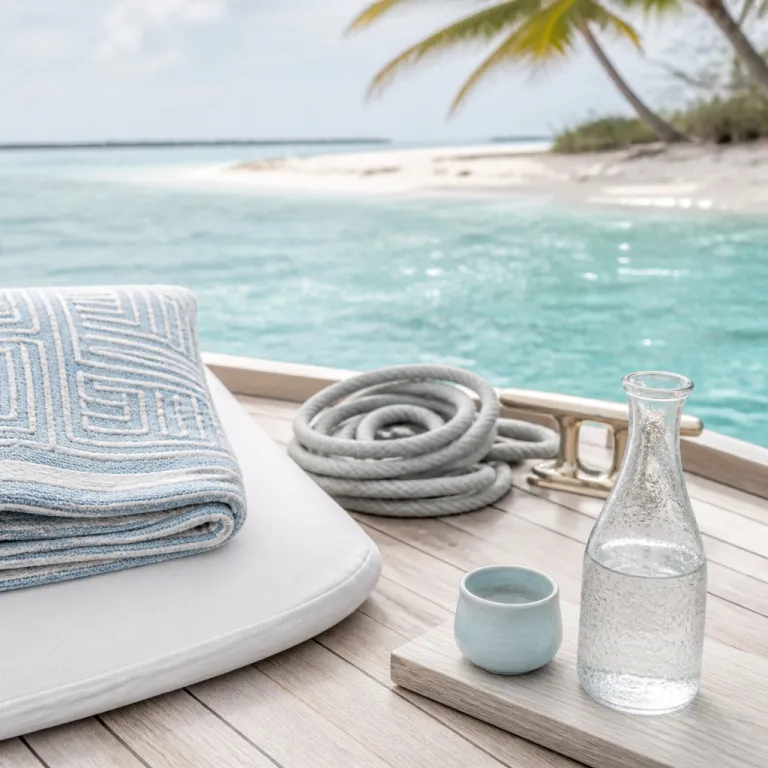
San Blas archipelago as Panama’s most exclusive barefoot escape
The San Blas archipelago lies off the Caribbean coast of Panama, a scattered necklace of roughly 365 islands that feels far removed from the country’s busy mainland. These islands belong to the autonomous Indigenous region of Guna Yala, where the Guna people have protected their culture and environment with remarkable determination. For luxury travelers, the real privilege here is not marble lobbies but the rare experience of staying on a tiny island surrounded by white sand, coral reefs, and clear turquoise water.
Unlike resort-heavy islands in other parts of Panama, the San Blas islands remain largely undeveloped, with only about 49 islands inhabited and many more kept wild. This figure, often cited by reference works such as national tourism publications and international encyclopedias, underlines how much of Guna Yala remains in a near-pristine state. This means that every trip into Guna Yala is shaped by Guna hosts, from the moment you book a simple cabin to the moment you leave by boat. The Guna people manage tourism to support their Indigenous community, so each island stay contributes directly to local families rather than distant city investors, and visitor numbers are kept intentionally low.
Travelers usually reach San Blas from Panama City by licensed 4x4 transportation to the Guna Yala border, followed by a shared boat to the island of their choice. Most road transfers depart before dawn and follow the mountain road toward the Cartí area, the main embarkation point on the Caribbean side. This journey from the city to the Caribbean coast takes around two and a half to three hours by road plus twenty to sixty minutes by boat, yet it feels like a complete reset once you step onto the sand and hear only waves. As one Guna guide explained to a recent guest, “Here, luxury is time, silence, and the sea,” a reminder to reframe comfort as space, calm, and a deep connection with an Indigenous culture that has shaped these islands for centuries.
Choosing where to stay: pairing Panama luxury hotels with Guna Yala simplicity
High-end travelers often combine a refined hotel in Panama City with a few nights in the San Blas archipelago, balancing urban comfort and island simplicity. In the capital you can book a luxury hotel with polished service, then let your concierge coordinate a private transfer and Guna-approved tour to Guna Yala. For a clear sense of what defines a true luxury hotel in Panama compared with a Panamanian-style luxury property, many travelers consult this detailed guide on the difference between a luxury hotel in Panama and a Panamanian luxury hotel.
Once you leave Panama City for Guna Yala, expectations must shift, because there are no large-scale luxury resorts in San Blas. Accommodation on each island is usually a rustic cabin or overwater hut, with basic bathrooms, limited electricity, and often no hot water during your stay. A few islands also offer simple overwater bungalows with private decks, but even these remain intentionally low-impact and off-grid. The real value of a San Blas trip lies in the experience of waking up steps from the sea, watching Guna canoes glide past, and spending each day on a different white sand island reached by short boat rides rather than in-room technology or formal dining rooms.
Some travelers choose a multi-day package that includes transportation from the city, meals, and guided island-hopping across several San Blas islands. Others prefer a single-island stay and then add a separate day tour to more remote cays within the same area. Either way, you should book through a reputable operator that works directly with Guna Yala community leaders, because this ensures fair payment to Indigenous hosts, compliance with local rules, and reliable safety standards on every boat tour. When comparing offers, look for clear itineraries, transparent pricing for island fees, and recent reviews that mention reliable communication and respectful treatment of Guna guides.
Planning your trip: best time to visit and how long to stay
When planning a trip to the San Blas archipelago, timing matters more than many travelers expect. The best time to visit San Blas is generally during the Caribbean dry season, when seas are calmer and days are sunnier for island hopping and snorkeling. Local operators and Guna Yala authorities often echo the guidance that “What is the best time to visit? Dry season: January to April,” when rainfall is lower and visibility in the water is usually better. This pattern broadly matches climate data for Panama’s Caribbean coast published by national meteorological services and international climate summaries.
Outside those months, you can still visit San Blas, but you should be prepared for more changeable weather and occasional rougher transportation between islands. Some luxury travelers actually prefer the so-called green season in Panama, when crowds thin and rates in city and beach hotels drop, and this in-depth article on green season at Panama’s beach hotels explains how to use that period to your advantage. For San Blas specifically, the best time for a multi-day stay is when you can accept a flexible schedule, because boat tours may shift by a day if sea conditions change or local authorities advise caution.
Most visitors from Panama City choose either a long day trip or a one-night stay, but that often feels rushed once you experience the calm of the San Blas archipelago. If your schedule allows, plan at least two or three days, which gives enough time to visit islands near your base and still enjoy quiet afternoons on your main island. A longer San Blas trip also lets you adjust to the slower rhythm of Guna Yala life, where each day is shaped by tides, weather, and the practical realities of Indigenous island living. A simple two-night sample itinerary might include an early-morning transfer from Panama City, a first afternoon on your base island, a full second day of island hopping and snorkeling, and a final quiet morning before returning to the city.
Hidden gems within the San Blas area for discerning guests
Within the wider area of the San Blas archipelago, some islands feel more secluded and better suited to travelers seeking privacy. Smaller family-run islands often host only a handful of cabins, so your stay feels almost like a private retreat with white sand beaches shared by very few guests. These lesser-known San Blas islands may not appear prominently in city-based travel brochures, yet they offer some of the most memorable experiences for those willing to trade amenities for intimacy and direct contact with Guna hosts.
Ask your operator about less visited corners of Guna Yala where island hopping focuses on coral-rich reefs rather than crowded sandbars. A carefully planned day tour can take you to remote islands where the only structures are simple Guna shelters and the only sounds are waves and birds. For a deeper experience, consider a multi-day itinerary that combines one night on a more accessible island with two nights on a quieter island farther inside the San Blas archipelago, giving you both convenience and seclusion. When planning photography, think about alt text for your images, such as “Guna Yala overwater cabins at sunrise,” “San Blas white sand beach and turquoise lagoon,” or “Traditional Guna canoe near coral reef,” which helps organize your travel album and supports accessibility on personal blogs.
Luxury-minded travelers often appreciate arranging a private boat for at least one day trip, which allows a flexible route and unhurried stops on several San Blas islands. While there are no formal spa facilities, the feeling of swimming alone off a white sand beach or reading under a palm tree can rival any city spa experience. To complement this rustic luxury, many guests pair their San Blas stay with a refined hotel elsewhere in Panama, using resources such as this curated overview of the best hotels in Panama for a refined stay.
Respecting Guna culture and Indigenous governance during your visit
The San Blas archipelago is not just a scenic destination in Panama, it is the heartland of an Indigenous nation with its own laws and customs. The Guna people, sometimes written as Kuna people or associated with the term Kuna Yala in older texts, have maintained autonomy since the early twentieth century after a historic agreement with the Panamanian state. Visitors enter Guna Yala as guests of this Indigenous community, and every trip should respect that status and the rules set by local congresses.
On most San Blas islands, photography of Guna residents requires permission, and modest clothing is appreciated when you are not on the beach or in the water. Alcohol policies vary by island, so ask your hosts before bringing drinks, and remember that cash is essential because there are no ATMs anywhere in Guna Yala. Internet access is limited across the archipelago, which many travelers from Panama City initially find challenging but later describe as a welcome digital detox during their stay. Learning a few words of the Guna language, greeting elders respectfully, and listening to local stories about the islands all help deepen your understanding of the culture.
Supporting Guna culture goes beyond polite behavior and touches how you book and structure your tour. Choose operators that clearly state their partnerships with Guna Yala authorities and that prioritize local guides on every day tour and multi-day itinerary. When you buy molas, the intricate textile art created by Guna women, you contribute directly to Indigenous livelihoods and help sustain the culture that makes a visit to San Blas so distinctive and meaningful. Many travelers also bring small, practical gifts such as school supplies to donate through community leaders, following local guidance so that contributions are respectful and well directed.
Practical logistics: transportation, safety, and booking strategies
Reaching the San Blas archipelago typically involves two stages of transportation from Panama City, and understanding this helps you plan a smoother trip. First, licensed 4x4 vehicles drive from the city across the mountains to the Guna Yala border control, where entry fees are paid to the Indigenous authorities and passports are checked. From there, small boats transfer guests to individual islands, with travel times ranging from twenty minutes to over an hour depending on sea conditions and the distance to your chosen island. A limited number of small-plane charter flights sometimes operate to airstrips in the region, but most visitors still rely on the road-and-boat combination via the Cartí docks.
Because the San Blas islands are remote, safety and comfort depend heavily on the operator you choose and how you book your stay. Look for companies that provide life jackets for every passenger, maintain radios on their boats, and give clear briefings about sea conditions for each day trip or day tour. It is wise to avoid very heavy luggage, pack dry bags for electronics, and carry enough cash in small bills for your entire time visiting Guna Yala, including island fees and tips. A concise packing list for San Blas usually includes reef-safe sunscreen, a hat, light long-sleeved clothing, water shoes, a flashlight or headlamp, a reusable water bottle, and a waterproof pouch for passports.
There are no ATMs, limited medical facilities, and only basic infrastructure across the San Blas archipelago, so travel insurance and a small personal pharmacy are essential. When planning a multi-day San Blas trip, confirm in advance what your package includes, from meals and drinking water to snorkeling gear and island-hopping excursions. If you value flexibility, consider booking one extra night in Panama City at the end of your itinerary, which gives you a buffer in case rough seas or road closures delay your return from Guna Yala by a day. Entry fees to Guna Yala, which various travel advisories and tour descriptions commonly list in the range of US$20–US$30 per person, should also be budgeted in cash and checked again shortly before departure in case local regulations change.
Aligning San Blas with a wider luxury itinerary in Panama
For many travelers, the San Blas archipelago becomes the emotional highlight of a longer journey through Panama, even though it offers the simplest accommodation. A thoughtful itinerary might begin with two or three nights in a refined city hotel, followed by a multi-day stay on one or two San Blas islands, and then a final night back in the city before your flight. This pattern allows you to enjoy both the cultural energy of Panama City and the quiet of Guna Yala without feeling rushed or over-scheduled.
Some guests pair San Blas with other coastal areas of Panama, such as the Pacific beaches or the Bocas del Toro islands, creating a contrast between different marine landscapes. In that context, the white sand and turquoise waters of the San Blas archipelago stand out for their intimacy and the strong presence of Indigenous culture. Each day in Guna Yala offers a different experience, from simple island hopping and snorkeling to shared meals with Guna families, which deepens your understanding of Panama beyond its urban image. A specialist in premium stays can help you sequence these regions so that travel days are efficient and transitions between climates and coasts feel smooth.
When you book with a specialist in premium stays, you can weave San Blas into a broader narrative that includes rainforest lodges, historic districts in the city, and perhaps a canal-side hotel for one night. The best time to finalize such a complex itinerary is several months before your planned time to visit San Blas, especially during peak dry season when cabins on popular islands sell out quickly. With careful planning, your San Blas trip becomes not an isolated excursion but a central chapter in a sophisticated, country-wide journey.
Key figures about the San Blas archipelago
- The San Blas archipelago comprises approximately 365 islands, according to geographic data referenced by international encyclopedias and Panama tourism sources, which means travelers could theoretically visit a different island every day for an entire year.
- Only about 49 of these islands are inhabited by the Guna people, so most of the area remains undeveloped and preserves a high level of environmental integrity compared with more urbanized coastal regions of Panama.
- Travel time from Panama City to the main San Blas ports by 4x4 vehicle usually ranges between two and a half and three hours, followed by boat transfers of twenty to sixty minutes depending on the specific island and sea conditions.
- The dry season, often cited locally as running from January to April, is considered the best time to visit San Blas for calmer seas and clearer skies, which directly improves safety and comfort during boat transportation and island hopping.
- Entry fees to Guna Yala, charged at the land border and sometimes again at specific islands, typically add up to around US$20–US$30 per person, and these funds support Indigenous governance, environmental protection, and basic services in the region, according to tour operator briefings and regional regulations.
Frequently asked questions about visiting San Blas
How do you visit San Blas from Panama City ?
Most travelers visit San Blas by booking a combined 4x4 and boat package that departs early from Panama City. The vehicle drives to the Guna Yala border, where you pay the regional entry fee and register with local authorities, and then a small boat continues to your chosen island. Guided tours are recommended because independent transportation is difficult to arrange, must comply with Indigenous regulations, and often requires advance coordination with island owners. Many visitors also ask their Panama City hotel concierge to recommend a trusted operator that works transparently with Guna communities.
What is the best time to visit the San Blas islands ?
The best time to visit the San Blas islands is generally during the Caribbean dry season, when rainfall is lower and seas are calmer. Local operators often highlight the months from January to April as offering the most reliable conditions for boat travel, beach time, and snorkeling. Outside this period, you can still travel, but you should be prepared for occasional itinerary changes or delayed departures due to weather and sea state. Checking recent traveler reports and short-term marine forecasts before departure helps you set realistic expectations.
Are there luxury hotels in the San Blas archipelago ?
There are no conventional luxury hotels in the San Blas archipelago, and accommodation is intentionally simple to align with Guna community priorities. Guests usually stay in basic cabins or overwater huts with limited electricity, shared facilities, and few modern amenities. Travelers seeking luxury often combine a high-end hotel in Panama City or another region with a short, rustic stay on one or two islands, treating San Blas as an exclusive barefoot retreat rather than a resort destination. This contrast between polished city comfort and off-grid island life is part of what makes a San Blas journey feel so special.
How many islands are there in San Blas, and are they all accessible ?
The San Blas region includes around 365 islands, but only about 49 are inhabited and regularly used for tourism or local housing. Many smaller cays are left untouched or visited only occasionally by Guna families for fishing and traditional activities. Tour operators typically work with a limited set of islands that have safe anchorages, basic infrastructure, and permission from local authorities to receive visitors, so not every island is accessible on a standard tour. Private charters can sometimes reach more remote cays, but always within the rules set by Guna Yala governance.
What should I know about money, internet, and services before my trip ?
Travelers should bring enough cash for their entire stay in San Blas because there are no ATMs and card payments are rarely available. Internet access is limited or absent on most islands, and mobile coverage can be weak, so you should inform family or colleagues before leaving Panama City and download any essential documents in advance. Medical facilities are basic, so carrying essential medications, sun protection, and a small first aid kit is strongly recommended for every visitor. Many guests also print or save offline copies of their booking confirmations, operator contact details, and travel insurance information in case connectivity drops during transfers.