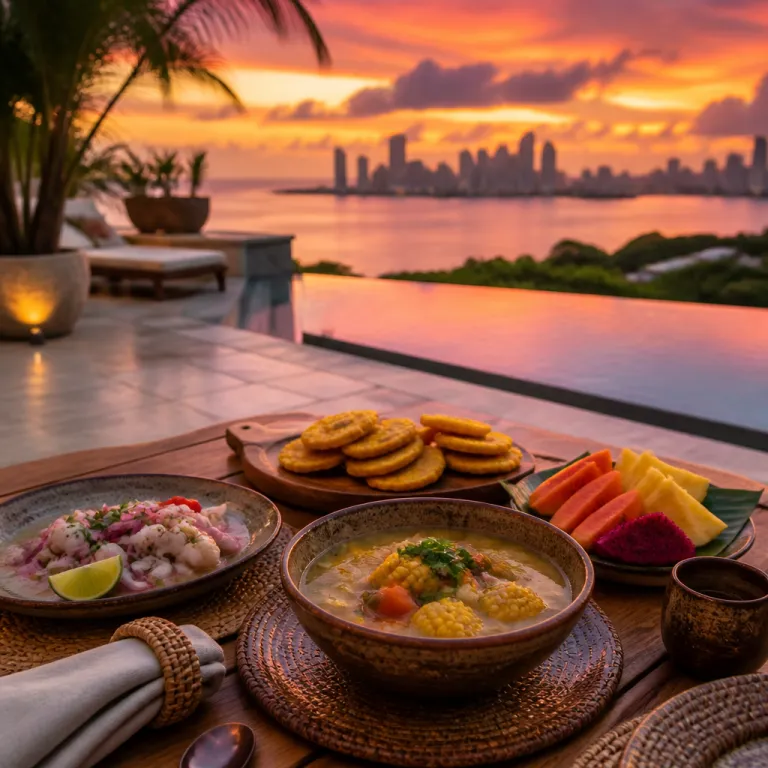
Why authentic Panama food belongs at the heart of your luxury stay
Choosing a luxury hotel in Panama is not only about suites and skyline views. For many travelers, the real upgrade comes from how authentically the property connects you with Panamanian cuisine and the wider food culture of Central America. When a hotel curates serious culinary experiences, you taste the country’s history on every plate and understand why food Panama has become a quiet obsession for discerning guests.
Panama sits at the crossroads of the southern Caribbean, the Pacific, and Central America, and that geography shapes every traditional dish you will eat. Indigenous roots, Spanish techniques, African influences, and trade routes with Mexico and beyond all meet in one compact country, giving Panamanian food a depth that surprises even seasoned travelers. This fusion means that authentic Panama food in luxury hotels can feel both comfortingly mild and unexpectedly complex, with a level of refinement that rewards slow, attentive dining.
High end properties now work closely with Panamanian chefs and local farmers to elevate classic Panamanian cuisine without losing its soul. Clay pots, wood fired stoves, and traditional cooking techniques appear behind the scenes, while guests relax in polished dining rooms overlooking the city or the beach. When you book, look for hotels that highlight Panamanian food and list specific traditional dishes, because that is where you will truly eat Panama rather than a generic international menu.
Signature dishes that define luxury interpretations of authentic Panama food
For travelers comparing premium hotels, the smartest strategy is to examine how each property treats Panama’s most emblematic dishes. Sancocho, officially recognized as the national dish by the Panama Tourism Authority, is the benchmark; “What is Panama's national dish?” and “Sancocho, a hearty chicken soup with yam and culantro.” appear on every serious travel guide for a reason. When a chef can turn this humble chicken and yam soup into a refined, slow simmered centerpiece, you know the kitchen respects authentic Panama food at a high level.
Look for menus where arroz con pollo is not just translated as chicken with rice but presented as arroz con pollo with local culantro, farm vegetables, and carefully selected rice varieties. In the best hotel restaurants, arroz con combinations might include arroz con coco as a fragrant side dish or arroz con mariscos that nods to the seafood rich southern Caribbean coast. You may also find ropa vieja reimagined with slow braised beef, delicate plating, and a mild yet layered sauce that still tastes like the Panamanian food served in a neighborhood fonda, only elevated.
Premium kitchens often highlight bistec picado, turning this chopped beef dish into a small plate for tasting menus that pair beautifully with a glass of seco herrerano from the Azuero Peninsula. Some properties collaborate with acclaimed city restaurants, and you might see a signature ceviche or contemporary dish referenced from places such as Cantina del Tigre, whose rambutan ceviche reset the Panama fine dining conversation; reading about that story through a dedicated Panama fine dining feature helps you understand how far Panamanian cuisine has come. When a hotel can guide you from rustic fonda flavors to cutting edge plates in one stay, your experience of authentic Panama food becomes genuinely memorable.
Panama City hotel neighborhoods and where guests actually eat
Location shapes how you will eat Panama during a city stay, so it pays to align your hotel choice with the dining districts that match your style. In Panama City, luxury towers in Punta Pacífica and Costa del Este offer polished international options, yet the most characterful Panamanian food often lies a short ride away. A smart travel guide will map how each district connects to markets, fondas, and contemporary restaurants so you can move easily between them.
Casco Viejo, the historic quarter, is where many travelers first find authentic Panama food in a walkable setting of stone streets and plazas. Here, premium small hotels and restored mansions often partner with Panamanian chefs to serve tasting menus that reinterpret traditional dishes such as sancocho, ropa vieja, and empanadas using seasonal produce from central provinces. Staying in Casco Viejo also puts you close to rooftop bars where you can sample seco herrerano cocktails while watching ships queue for the canal, a reminder that this city has always been a crossroads between Central America, the southern Caribbean, and Mexico.
Down by the waterfront, Mercado de Mariscos remains essential for understanding food Panama at its most direct, with stalls selling ceviche cups and fried fish that many locals eat for lunch. Several high end hotels now offer guided visits to this mercado mariscos area, followed by a cooking class back at the property where you learn to prepare a seafood dish using techniques from Panamanian cuisine. To plan your stay around these flavors, consult a detailed map of where Panama City actually eats through a curated guide to Panama City dining districts, then choose a hotel that sits within easy reach of the neighborhoods that interest you most.
From beach resorts to Bocas del Toro: coastal luxury with a Panamanian food focus
Beyond the capital, coastal resorts and island retreats offer a different angle on authentic Panama food, shaped by tides, fishing grounds, and Afro Caribbean heritage. Along the Pacific beach corridors near Panama City, high end hotels often serve grilled fish, arroz con mariscos, and patacones as a crisp side dish beside infinity pools. When these properties partner with local fishermen and farmers, guests taste seafood that moved from boat to plate within hours, a level of freshness that defines serious food Panama experiences.
In Bocas del Toro, often shortened locally to Bocas del, luxury eco lodges and overwater villas lean into the flavors of the southern Caribbean. Menus might feature coconut rice, mild yet aromatic curries, and empanadas filled with lobster or fish, all rooted in Panamanian cuisine but with clear Caribbean accents. Here, a cruise style day on the water can end with a private dinner on the deck, where a Panamanian chef prepares a tasting of traditional dishes such as sancocho, ropa vieja, and bistec picado adapted to the island pantry.
Some coastal resorts now build entire culinary itineraries around authentic Panama food, combining a market tour, a beach picnic, and an evening cooking class under the stars. Guests may help prepare arroz con pollo over a wood fired stove, learn how to balance flavors so the spice level stays pleasantly mild, and sip seco herrerano while listening to stories about how trade with Mexico and Central America shaped local recipes. When your hotel concierge can arrange both a snorkeling trip and a hands on lesson in Panamanian food on the same day, you know the property understands that luxury is as much about taste as it is about views.
Immersive culinary experiences: from fonda style tastings to hotel cooking classes
Luxury travelers increasingly want to participate, not just sit at a white tablecloth and eat, and Panama’s best hotels have responded with immersive culinary programming. Many properties now offer a structured food tour that begins at a neighborhood fonda, where you sample Panamanian food exactly as office workers and taxi drivers do. These fondas typically serve a rotating dish of the day, and data from local guides and city based culinary schools suggests there are at least fifteen widely recognized traditional Panamanian dishes that appear regularly on such menus, including staples listed by institutions such as the Instituto Superior de Alta Cocina de Panamá.
After tasting empanadas, arroz con pollo, and perhaps a plate of ropa vieja with a simple rice side dish, guests return to the hotel for a more refined interpretation of the same flavors. Here, a cooking class led by Panamanian chefs might focus on techniques such as slow braising, proper seasoning to keep the heat level mild, and the use of clay pots for depth of flavor. Participants learn why “Are Panamanian dishes spicy?” is often answered with “Generally, no. They are savory with optional hot sauce on the side.” and how that profile differs from some regions of Mexico or the spicier corners of the southern Caribbean.
Premium properties also experiment with pairing menus that highlight seco herrerano alongside contemporary cocktails, showing how this sugarcane spirit can match both seafood and chicken based dishes. A well designed travel guide from your hotel will outline options that range from market visits at Mercado de Mariscos to private rooftop tastings in Casco Viejo, ensuring you can find experiences that match your curiosity and schedule. When you leave with the confidence to cook at least one authentic Panama food recipe at home, the hotel has succeeded in turning a meal into a lasting memory.
Wellness, spa culture, and the quiet luxury of eating well in Panama
High end travelers now expect wellness to extend beyond the spa menu and into every plate, and Panama’s top hotels are weaving authentic flavors into this broader vision of health. Many properties emphasize fresh fish, seasonal vegetables, and moderate portions of rice and root vegetables, aligning Panamanian cuisine with contemporary nutrition thinking. This approach allows guests to eat Panama generously while still feeling light enough for a morning hike, a city walking tour, or a long day on a cruise excursion.
Some of the most forward thinking hotels integrate culinary elements directly into their spa and wellness programs, pairing treatments with thoughtfully designed meals. You might book volcanic mud or cacao based therapies, then sit down to a lunch that uses the same ingredients in refined form, a concept explored in depth in this guide to what Panama’s hotel spas actually deliver. In these settings, authentic Panama food appears as grilled chicken with a mild herb sauce, arroz con vegetales, and a side dish of patacones, all prepared with minimal oil yet full flavor.
Wellness focused properties also pay attention to sourcing, working with local farmers so that Panamanian food on the menu reflects short supply chains and seasonal rhythms. Guests might attend a morning cooking class that highlights plant based traditional dishes, then enjoy a tasting of fresh fruit and light empanadas on a shaded beach deck. When a hotel can show you how Panamanian cuisine supports both pleasure and wellbeing, it turns every meal into a quiet form of luxury that lingers long after checkout.
Planning your stay: how to choose hotels that truly celebrate authentic Panama food
When comparing luxury and premium hotels online, most booking engines highlight room size, pool photos, and proximity to the city center, yet serious food lovers should read between the lines. Start by scanning menus and restaurant descriptions for specific references to Panamanian food, such as sancocho, arroz con pollo, ropa vieja, bistec picado, and empanadas. Properties that only mention generic international dishes rarely deliver a deep experience of authentic Panama food, no matter how polished the dining room may appear.
Next, look for evidence of collaboration with Panamanian chefs, local farmers, and markets such as Mercado de Mariscos, because these partnerships usually translate into fresher ingredients and more thoughtful menus. Some hotels publish their own travel guide style content that outlines food tours, market visits, and cooking classes, giving you a clear sense of how seriously they take Panamanian cuisine. If a property offers curated excursions to Casco Viejo, Bocas del Toro, or a traditional fonda, and pairs them with in house tastings of seco herrerano or regional dishes, that is a strong indicator of culinary commitment.
Finally, consider how the hotel integrates food with the rest of your itinerary, whether you are joining a southern Caribbean cruise, exploring Central America overland, or flying in from Mexico for a long weekend. The best concierges will help you find places to eat Panama beyond the property, recommending neighborhood fondas, beach shacks, and city restaurants that complement what you taste on site. When your stay weaves together market mornings, beachside lunches, and elegant city dinners, you will leave with a layered understanding of authentic Panama food that no single restaurant could provide.
Key figures that shape Panama’s culinary travel scene
- Local guides and Panama City culinary schools commonly reference around fifteen core traditional Panamanian dishes that appear across fondas and home kitchens, giving travelers a practical checklist for tasting the country’s classics during a short stay; this range is echoed in course materials from institutions such as the Instituto Superior de Alta Cocina de Panamá.
- The average cost of a meal at a local fonda in Panama City is about 5 USD according to All About Panama City, which means even luxury travelers can sample everyday Panamanian food without stretching their budget.
- Panama’s culinary heritage blends Indigenous, Spanish, African, and Caribbean influences, a mix that underpins the diversity of authentic Panama food available from Casco Viejo to Bocas del Toro.
- Year round growing conditions across Panama’s varied microclimates support a steady supply of fresh produce, allowing high end hotels to design seasonal menus that still feel abundant in every month.
Frequently asked questions about authentic Panama food in luxury hotels
What is Panama's national dish and will my hotel serve it ?
Panama’s national dish is sancocho, a hearty chicken soup made with yam and culantro that appears on menus from humble fondas to refined hotel restaurants. Many luxury properties in Panama City and beach areas include a modern version of sancocho on their menus, sometimes as a tasting portion in multi course dinners. When booking, you can email the concierge to ask whether the kitchen prepares sancocho regularly and whether it can be included in a special menu.
Are Panamanian dishes spicy or suitable for guests who prefer mild flavors ?
Most Panamanian food is naturally mild, emphasizing savory depth rather than intense heat, which makes it very approachable for a wide range of palates. Chili based sauces are usually served on the side, allowing each guest to adjust the spice level to taste. Luxury hotels often brief their chefs to keep default seasoning gentle, especially for dishes like arroz con pollo and seafood stews, while still offering bolder condiments for those who want more heat.
How can I experience local markets and still enjoy premium comfort ?
Many high end hotels in Panama City organize guided visits to Mercado de Mariscos and neighborhood produce markets, pairing street level exploration with private transfers and bilingual guides. After the market tour, guests typically return to the property for a cooking class or chef led lunch that uses ingredients purchased that morning. This format lets you experience authentic Panama food in its natural context while still enjoying the comfort and service standards of a luxury stay.
Is it worth leaving my hotel to eat at a fonda or street stall ?
Stepping out to a local fonda or reputable street stall is one of the most rewarding ways to understand Panamanian cuisine, even if your hotel has excellent restaurants. Fonda meals are inexpensive, fast, and deeply rooted in everyday life, offering dishes like arroz con pollo, ropa vieja, and empanadas in their most traditional form. Many concierges maintain updated lists of trusted spots near the city center or beach areas, so you can eat Panama like a local while still prioritizing hygiene and safety.
Can luxury hotels accommodate dietary restrictions while serving authentic dishes ?
Top tier properties in Panama are increasingly adept at adapting traditional dishes to vegetarian, gluten free, or other dietary needs without losing their character. Chefs might replace meat in ropa vieja with slow cooked vegetables, prepare arroz con vegetales instead of arroz con pollo, or offer grilled fish with plantain side dishes instead of wheat based accompaniments. When you share your requirements in advance, most kitchens can design a menu that lets you enjoy authentic Panama food comfortably and safely.
Suggested sources for further reading: All About Panama City; Panama Tourism Authority; local culinary schools and market associations in Panama City.