Understanding Panama’s humpback migration and green season rhythm
Panama whale watching season along the Pacific coast is not a marketing slogan. It is a defined migration window when Southern Hemisphere humpback whales leave Antarctic feeding grounds for Panama’s warm tropical waters to breed and calve. For families planning a luxury stay, understanding this whale season is the best way to secure front row rooms and the right watching tours.
The main migration pattern runs from early July to mid October, with August–September usually delivering the best time for frequent sightings on a watching tour. Regional studies from the Eastern Tropical Pacific suggest that several thousand humpback whales use Central American breeding grounds each year, and Panamanian marine guides commonly estimate that roughly 2,000 individuals may pass through national waters during the season. For example, research summarized by the Smithsonian Tropical Research Institute and MiAmbiente on the Gulf of Chiriquí and Coiba region confirms a July–October breeding presence that aligns closely with what local captains observe on the water. The timeline is clear: July brings the first humpback whales, August–September is peak whale watching, and by October most whales begin their long swim back toward Costa Rica and Antarctic feeding areas.
For travelers, this means that the ideal Panama whale watching season overlaps perfectly with the country’s green season. Mornings on the Pacific coast are typically bright and calm, giving boat captains a reliable time window for safe whale watching tours before short afternoon showers roll across the gulf. Luxury hotels have learned to schedule each watching tour early, so families can be back at the pool or in the spa by the time the rain taps gently on the terrace.
Responsible operators on Panama’s Pacific coast structure every whale watching tour around conservation first. Many work with marine biologists, use hydrophones so guests can hear whale songs, and keep boat engines in neutral when humpback whales approach. This approach to marine life is not only ethical; it also creates a calmer experience for children, who can watch whales surface and breathe without the stress of a noisy chase.
According to the Smithsonian Tropical Research Institute and Panama’s Ministry of Environment, humpback whales are a flagship species for marine conservation in the Gulf of Chiriquí and surrounding protected areas. Local captains often echo this priority; as one guide in the gulf explains, “Our rule is simple: the whales decide how close we get, and our job is to keep families safe while keeping the ocean quiet for them.”
Where to stay for front row whale watching on Panama’s Pacific coast
Panama City is where most premium family trips begin, and it is worth spending at least one night in Casco Viejo before heading to the Pacific coast. From a rooftop pool in the historic casco district, you can look out over the bay and plan which gulf or national park will be your base for the Panama whale watching season. The city hotels themselves do not offer whale watching tours, but their concierges are adept at coordinating transfers to the best time windows on the coast.
For serious whale watching, the action moves quickly from Panama City to the Gulf of Chiriquí, Coiba National Park, Santa Catalina, and the Pearl Islands. In the Gulf of Chiriquí area, upscale eco lodges and private island retreats such as Isla Palenque or Cala Mia Island Resort position you close to rich marine life, where boat rides to the whales can be as short as 30 to 45 minutes. Coiba National Park and the waters around Coiba are ideal if you want to pair a whale watching tour with diving, while Santa Catalina offers a laid-back surf town base with access to both whales and Coiba tours.
Farther east, the Pearl Islands sit almost directly south of Panama City, making them one of the most convenient luxury bases for a short whale watching break. Here, the whale season from July–October is complemented by calm waters, sheltered coves, and high-end hotels that can arrange private watching tours on sleek boats. Families who prefer shorter transfers often choose the Pearl Islands, where a morning boat tour can be followed by an afternoon of paddleboarding over clear marine waters.
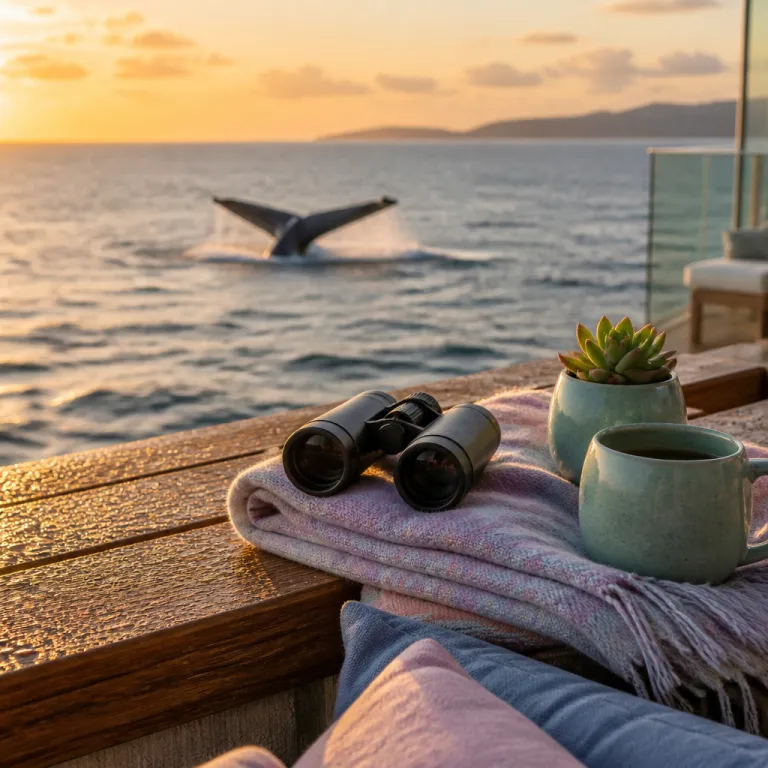
Across these destinations, the best properties understand that the Panama whale watching season is now a core reason families book. Many hotels hold flexible breakfast hours for guests returning from early watching tours, and some even offer in-room binoculars for spotting distant whales from the terrace. When you compare options, look for hotels that mention humpback whale programs explicitly, not just generic marine life excursions or unspecific boat tours.
Designing a family friendly whale watching itinerary with luxury hotels
For a premium family, the magic of Panama whale watching season lies in how easily it blends with other Pacific coast adventures. A typical itinerary might start with two nights in Casco Viejo, where you adjust to the city’s rhythm before heading out to the gulf or islands. In the casco district, choose a hotel that can arrange seamless transfers to domestic flights or private boats, so your children experience the journey as part of the tour rather than a logistical chore.
Once on the Pacific coast, aim for at least three full days in a whale-focused property, especially between August–September when humpback whales are most active. Plan one dedicated whale watching tour early in the stay, leaving room for a second or third watching tour if the first day’s marine life is quieter than expected. Operators are always transparent that “Are whale sightings guaranteed?” has only one honest answer: “Sightings are common but not guaranteed.”
Between tours, the same warm waters that attract whales also support excellent snorkeling, gentle diving sites, and relaxed island hopping. In Coiba National Park, families can split days between a morning boat tour to look for a humpback whale and an afternoon swim over coral gardens filled with tropical marine life. Around the Pearl Islands and Gulf of Chiriquí, many hotels offer fishing excursions, stand-up paddleboarding, and guided nature walks, turning the whale season into a broader marine adventure.
Because experience-focused travel is reshaping Panama, leading hotels now build entire seasonal calendars around the Panama whale watching season. Some properties pair morning watching tours with afternoon wellness sessions, a trend explored in depth in this guide to why Panama became a quiet wellness destination beyond the spa brochure. For families, this means parents can enjoy a massage or yoga class while children join supervised marine life workshops, learning how humpback whales use the gulf as a nursery.
Booking strategy, responsible watching, and practical tips for the season
Because the Panama whale watching season is short and intense, the best hotels on the Pacific coast sell out quickly once the first whale is spotted. For stays in peak months from August–September, aim to reserve your room and core watching tours at least several months in advance. Reputable outfitters in the Gulf of Chiriquí and Pearl Islands typically run structured whale watching tours from mid July to mid October, and their prime weekend slots are often the first to go.
Responsible whale watching is non-negotiable in Panama, and discerning travelers should insist on it when booking. Look for operators who keep a respectful distance from humpback whales, limit the number of boats near a pod, and cut engines when whales approach, rather than chasing them across the gulf. The most reputable watching tours also avoid drone use around whales, work with marine biologists, and frame each tour as both an experience and a contribution to conservation.
On a practical level, packing correctly can transform your family’s experience during whale season. Local experts answer the question “What should I bring on a whale watching tour?” very clearly: “Sun protection, binoculars, and motion sickness medication.” Lightweight layers, dry bags for cameras, and a simple checklist for children help keep the focus on the whales, not on forgotten gear or damp clothes.
Finally, remember that Panama City and the Pacific coast share the same green season pattern, but weather rarely cancels a well-planned watching tour. Morning departures take advantage of calmer waters, while short afternoon showers usually arrive after boats have returned to the pier or hotel dock. When you align your travel dates with the July–October migration window and choose hotels that treat the Panama whale watching season as a signature experience, you give your family a front row seat to one of the Pacific coast’s most powerful marine life spectacles.
For further background on humpback behavior and conservation in Panama, travelers can consult resources from the Ministry of Environment (MiAmbiente), the Panama Tourism Authority, and the Smithsonian Tropical Research Institute, which all highlight the Pacific coast as a key breeding corridor in the Eastern Tropical Pacific.
FAQ about Panama’s humpback whale season and hotels
When is the best time to see humpback whales in Panama?
The best time to see humpback whales in Panama is between August–September, which is the peak of the Panama whale watching season. Whales usually begin arriving in July and many depart by mid October, with the most consistent sightings along the Pacific coast during the central months. Families who want the highest chance of encounters should target this peak period for their hotel bookings and watching tours.
Which areas and hotels are best for whale watching with children?
For families, the Gulf of Chiriquí, Coiba National Park via Santa Catalina, and the Pearl Islands offer the best combination of marine life access and comfortable hotels. Properties in these areas can arrange shorter boat rides, private or small group watching tours, and flexible meal times that work with early departures. Many premium hotels also provide child-friendly guides and educational briefings, turning each whale watching tour into a safe and engaging learning experience.
Are whale sightings guaranteed on a tour?
No operator can guarantee a whale sighting, even in peak season, because marine life is naturally unpredictable. Local experts answer this directly in the dataset: “Are whale sightings guaranteed?” and the response is “Sightings are common but not guaranteed.” Choosing experienced operators, traveling in the August–September peak, and allowing time for more than one tour will significantly increase your chances.
What should I pack for a whale watching tour in Panama?
For a comfortable whale watching tour, bring high SPF sun protection, a hat, and light long sleeves for the Pacific sun. Binoculars help children follow distant whales, while motion sickness medication is recommended for anyone sensitive to boat movement. Waterproof bags for phones and cameras, plus a thin rain jacket for brief showers, round out a practical packing list for the Panama whale watching season.
How does Panama’s green season weather affect whale watching?
Green season in Panama runs roughly from May through December and overlaps fully with the whale season from July–October. On the Pacific coast, mornings are usually calm and sunny, which is when most whale watching tours depart, while short afternoon showers rarely disrupt planned activities. Luxury hotels and tour operators schedule around this rhythm, so families can enjoy both the lush landscapes of green season and reliable access to whales on the same trip.