Hotel panama review of a new design language in the city
Panama City has moved beyond anonymous glass towers into a quieter design revolution. The most interesting city hotels now use Guna and Emberá craft as a design philosophy, not just as decoration on a lobby floor. For travelers reading any hotel panama review, this shift changes how a stay feels from the first step into the lobby.
Nowhere is this clearer than at W Panama Hotel, a 203 room property on 50th Street where Studio Gaia layered contemporary lines with traditional textures from indigenous communities. The hotel sits in the financial district of Panama City, yet its public space tells stories that reach from the skyscraper corridor to the islands of Guna Yala and the Emberá villages along rivers that eventually meet the Panama Canal. When you walk through the lobby, you see how a global marriott brand can still feel rooted in panama rather than in a generic ocean city.
The design team worked directly with artisans to integrate handmade mola textiles, Emberá basketry and local hardwoods into the hotel panama narrative. Their methods included incorporating traditional patterns, using local materials and collaborating with indigenous artisans so that the service experienced by guests carries cultural context as well as comfort. This approach supports the context to preserve and promote indigenous culture while offering a hotel stay that feels both refined and grounded in place.
For a luxury traveler comparing hotels, this matters as much as the size of a room or the height of a floor. A thoughtful hotel panama review now looks at whether the lobby bar, the lounge and even the pool deck reflect local heritage or just the marriott logo and cards Marriott acceptance. When a property uses craft as a living language, every window frame, patio enjoy corner and shared area becomes part of a wider cultural map of panama.
Mola textiles in the lobby: from wall art to design blueprint
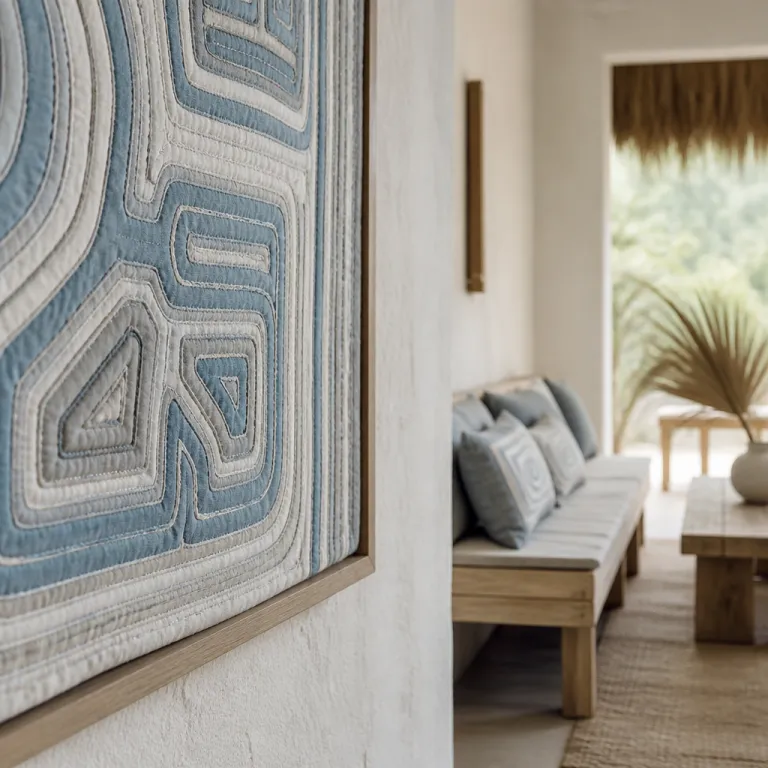
Mola textiles, created by Guna women through reverse appliqué, have long appeared in hotels as framed art near the lobby or in corridors. The question for any serious hotel panama review is whether those molas are simply hung on a wall or whether their geometry shapes the entire space. At W Panama Hotel, the answer leans toward the second option.
Studio Gaia translated mola motifs into the lines of the lobby floor, the rhythm of the ceiling panels and the color blocking of the lounge furniture. Instead of one decorative panel behind the bar, you see patterns echoed in the pool deck tiles, in the upholstery of rooms and even in the graphic treatment of the in room coffee machine station. This creates ample space for guests to read the city through design, with windows framing city views while fabrics whisper stories from Guna Yala.
In this context, the marriott logo and the marriott Bonvoy program become quiet signatures rather than the main narrative. Guests paying with credit cards or cards Marriott at the front desk still receive the efficiency expected from global city hotels, yet the service experienced feels layered with local meaning. The hotel site uses art installations to encourage guests to pause, look closely and understand that “What is 'mola' fabric?” and “Who are the Embera?” are not abstract questions but part of the living culture of panama.
For travelers heading onward to the archipelagos, this design literacy becomes useful. After a night in a hotel panama property that treats mola as a blueprint, you will arrive in Guna Yala or the refined island retreats described in this guide to Panamanian islands for refined travelers with a sharper eye for genuine craft. A thoughtful hotel panama review now evaluates how well a lobby, a room and shared areas prepare guests to engage respectfully with artisans beyond the city.
From Emberá baskets to pool decks: material honesty in luxury hotels
While mola textiles often catch the eye first, Emberá basketry quietly shapes how some hotels think about volume, light and texture. In a careful hotel panama review, you start to notice how woven patterns influence the curve of a bar counter or the shading of a pool deck pergola. This is where Panama’s most interesting hotels move from surface styling to structural inspiration.
At W Panama Hotel, Emberá pieces appear as both display objects and conceptual anchors. The design team used traditional baskets as references for the way light filters through screens, how a lounge corner wraps around guests and how ample space is carved out on each floor for social interaction. When a guest walks from the lobby to the pool, the transition feels like moving from the tight weave of a basket to the open pattern of a river landscape that eventually meets the Panama Canal.
Other hotels across panama city and beyond are beginning to echo this approach, especially in properties that look toward the highlands and volcanic valleys for inspiration. In El Valle de Antón, for example, new luxury projects described in this analysis of Panama’s next luxury chapter in a volcanic crater are experimenting with local stone, woven shading and open air lounges. A rigorous hotel panama review of these sites examines whether Emberá and Ngäbe Buglé craft traditions inform the architecture or simply appear as souvenirs in a glass case.
For the solo explorer, this material honesty matters as much as a well appointed room with quality toiletries exclusively sourced local. When a hotel uses Emberá basketry as a guide for how light enters a window or how a patio enjoy terrace frames city views, the stay becomes a quiet lesson in design. You leave with a deeper sense of how panama’s rivers, forests and communities shape even the most polished city hotels.
How to read a hotel lobby: spotting genuine craft collaboration
Not every hotel that hangs a mola or places an Emberá basket on a shelf is engaging in meaningful collaboration. A discerning hotel panama review starts in the lobby and asks a few precise questions about authorship, context and compensation. As a guest, you can do the same within the first minutes of your stay.
Look first at labels and language around any visible craft in the lobby, lounge or bar. Are the Guna and Emberá communities named, and is there information about where the pieces were sourced, how artisans were paid and whether the hotel maintains ongoing relationships with them ? When a property explains that its textiles were sourced local through long term partnerships, you can be more confident that the service experienced by guests also supports communities beyond the city.
Then pay attention to how deeply patterns and materials are integrated into the architecture. If mola motifs appear only as framed art near the elevator, the collaboration may be superficial, even if the rooms feature a stylish coffee machine and toiletries exclusively branded. When those same motifs guide the layout of the lobby floor, the geometry of the pool deck and the rhythm of windows framing city views, you are likely seeing a more serious design commitment.
Finally, ask staff simple questions about the art and objects around you. In a hotel panama property that values these relationships, team members will usually know at least the basics and may even suggest visits to markets or workshops in panama city or along routes toward the Panama Canal. This is where a hotel panama review can highlight not only the comfort of rooms and the efficiency of credit cards processing, but also the depth of cultural engagement offered to guests.
Hidden gems beyond the capital: where craft and comfort meet
Panama’s most compelling craft informed stays are not limited to the skyline of panama city. As you move toward the Pacific coast, the highlands and the Caribbean, smaller hotels are quietly weaving indigenous design into rooms, patios and shared areas. A thoughtful hotel panama review now includes these hidden gems alongside the better known city hotels.
On the Azuero Peninsula, for example, properties along Playa Venao are starting to use woven palm, clay tiles and hand carved wood to echo pre Columbian and indigenous aesthetics. Some of the refined beachfront retreats featured in this guide to Playa Venao’s refined beachfront retreats integrate local craft into open air lounges, shaded pool decks and rooms that frame the ocean rather than the city. Here, the hotel panama experience shifts from vertical city views to horizontal horizons, yet the design language remains anchored in panama’s cultural landscape.
In the highlands and along routes that eventually connect back to the Panama Canal, you will find smaller hotels where Ngäbe Buglé weaving influences textiles on beds, cushions in the lounge and even patterns etched into concrete floors. These properties may not carry the marriott logo or participate in the Marriott Bonvoy program, yet they often match or exceed the service experienced in larger hotels. Guests still appreciate practical comforts such as a reliable coffee machine in the room, fresh juices at breakfast and scrambled eggs made with ingredients sourced local from nearby farms.
For solo explorers, these stays offer a different rhythm from the energy of an ocean city skyline. You might sit on a patio enjoy terrace at dusk, watching mist roll over hills while staff explain the stories behind the textiles and baskets around you. A nuanced hotel panama review of such places balances discussion of room size, ample space in public areas and payment options like credit cards with an honest assessment of how well each site honors the living craft traditions of panama.
FAQ
What is 'mola' fabric ?
Traditional textile art by the Guna people. In the context of a hotel panama review, mola fabric often appears in lobby art, room textiles and even pool deck patterns, and the most interesting hotels use it as a structural design reference rather than simple decoration.
Who are the Embera ?
Indigenous people of Panama and Colombia. When evaluating hotels in panama, look for properties that work with Emberá artisans on baskets, woven panels and other elements that shape the space, not just as objects placed on a shelf.
What is Studio Gaia ?
Design firm specializing in hospitality interiors. Studio Gaia’s work on W Panama Hotel shows how a global marriott property in panama city can integrate mola textiles, Emberá basketry and local hardwoods into the lobby, lounge, rooms and pool areas in a way that feels both contemporary and rooted in place.
How does W Panama integrate indigenous crafts into its design ?
W Panama integrates indigenous crafts into its design by incorporating traditional patterns, using local materials and collaborating with indigenous artisans. This approach means that guests encounter Guna and Emberá influences from the lobby floor to the pool deck, with art installations, textiles and furniture layouts all reflecting a commitment to celebrate local heritage and support artisans.
How can guests engage respectfully with indigenous crafts while staying in Panama hotels ?
Guests can engage respectfully by asking hotels about their artisan partnerships, buying directly from makers when possible and learning the cultural context behind mola textiles and Emberá baskets. A careful hotel panama review will often point travelers toward markets, workshops and community led experiences where purchases and visits benefit the people who keep these traditions alive.