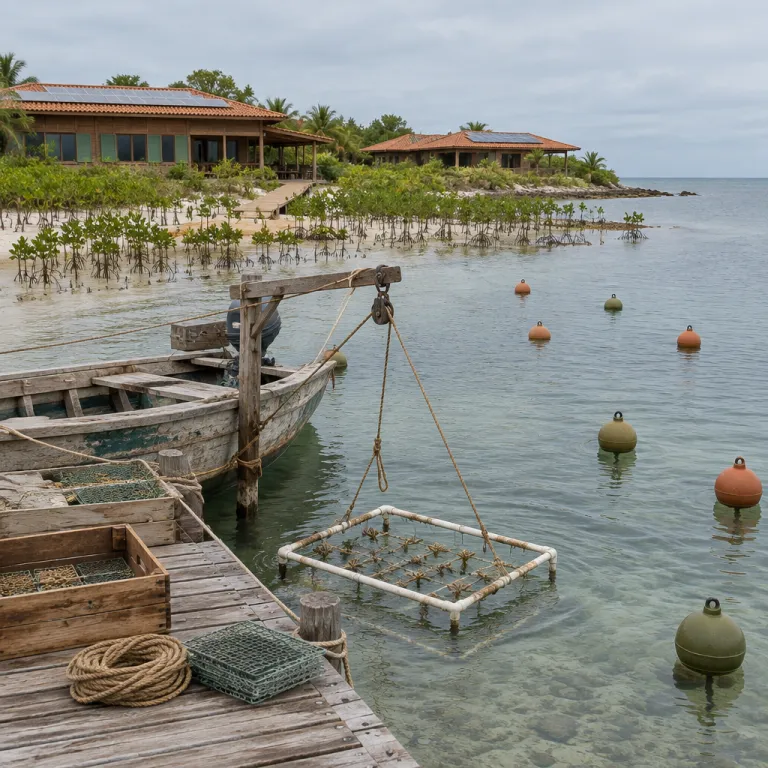
Panama eco travel conservation for luxury‑minded ocean explorers
Panama eco travel conservation is not a slogan; it is policy made visible in clear water and unhurried marine life. When a country protects more than half of its marine territory, luxury tourism shifts from passive sightseeing to a front row seat on large scale conservation. For travelers who care about nature and comfort in equal measure, that combination is rare and quietly powerful.
This small country sits between Costa Rica and Colombia, yet its marine ambition outpaces many larger nations. Panama now positions itself as an ecotourism destination where reef systems, sea turtle nesting beaches, and tropical rainforests are managed as one living network. That national vision shapes everything from how you book a room to which eco adventure you choose offshore.
For high end travelers, the question is simple yet nuanced. How does this level of conservation translate into the actual travel experience, from Panama City rooftops to Bocas del Toro overwater suites ? The answer lies in how sustainable tourism, community tourism, and carefully designed eco lodges now anchor the country’s coastal hospitality scene.
From canal to coastline: how protection shapes where you stay
The Panama Canal may define the country on maps, but protected coasts now define it for many travelers. In Panama City, luxury hotels increasingly frame their identity around eco tourism values, from plastic free minibars to partnerships with national parks on the nearby Pacific islands. That urban shift is subtle yet real, and it sets the tone before you even reach a beach or rainforest.
Along the Pacific, conservation zoning limits unplanned tourism sprawl, which means fewer towers and more low rise eco lodges integrated into the landscape. Properties near Coiba National Marine Park, for example, operate under strict rules that align with national conservation goals and international marine standards. Guests feel this in quieter bays, healthier reef systems, and a slower rhythm of travel that favors quality over volume.
Many of the most interesting luxury stays now market themselves as gateways to ecotourism Panama rather than isolated resorts. They curate eco adventure itineraries that combine guided snorkeling on protected reef sites, visits to indigenous communities, and inland rainforest hikes in national parks. If you want to understand how infinity pools and conservation can coexist, read this detailed look at how Panama’s eco lodges balance high design with rainforest protection.
Coiba and beyond: what marine protection feels like underwater
Coiba National Marine Park is where Panama eco travel conservation becomes unmistakable. This national park, a UNESCO World Heritage Site and Mission Blue Hope Spot, now covers a vastly expanded marine area that includes one of the largest coral reef systems in the Tropical Eastern Pacific. For divers and snorkelers, that translates into more wildlife, better visibility, and fewer boats clustered over the same fragile reef.
Strict environmental standards govern diving and snorkeling here, turning visitor activity into a form of conservation engagement rather than extraction. Operators limit group sizes, enforce no touch policies on coral and reef life, and often contribute data to marine research programs. You notice the difference in the behavior of fish schools, the presence of larger pelagic species, and the relative absence of anchor scars on the reef.
Beyond Coiba, marine protection extends along both coasts, from the Caribbean archipelagos near Bocas del Toro to quieter Pacific bays facing Costa Rica. In these waters, eco tourism and sustainable tourism are not abstract concepts but daily practice, visible in how boats approach sea turtle nesting beaches or how guides interpret mangrove ecosystems. For travelers comparing Rica Panama experiences with those across the border in Costa Rica, the lower density of tourism here often means more intimate encounters with wildlife and fewer crowds at signature sites.
For a broader view of how luxury properties are adapting to this new reality, you can explore this analysis of sustainable luxury hotel booking trends in Panama. It shows how high end hotels are aligning their operations with national conservation targets while still delivering polished service.
Caribbean side stories: Bocas del Toro, reefs, and community tourism
On the Caribbean side, Bocas del Toro is where Panama’s marine protection meets barefoot luxury. Here, overwater suites sit above seagrass beds and reef patches that benefit directly from the country’s conservation commitments. When reef fish return in greater numbers and water clarity improves, the view from your deck changes in ways that even the best design cannot replicate.
Many properties in the Bocas del Toro archipelago now work closely with local and indigenous communities on community based tourism projects. These initiatives range from reef restoration programs and sea turtle monitoring to guided mangrove kayaking led by residents who grew up on these waters. As a guest, you are not just passing through a national marine landscape; you are entering a living community economy shaped by sustainable tourism.
Panama eco travel conservation here is also about limiting impact in a fragile island system. High end eco lodges manage water use carefully, treat wastewater before it reaches the reef, and restrict motorized traffic in sensitive channels. When you compare this approach with more developed Caribbean tourism hubs in Costa Rica or elsewhere, the difference lies in scale and intent rather than in the color of the water.
For travelers planning a mix of city and sea, it is worth pairing Bocas del Toro with a few nights in a refined coastal property near Panama City. Some of the most elegant all inclusive resorts now integrate reef friendly sunscreens, low impact excursions, and partnerships with nearby national parks into their guest experience. You can see how this plays out in practice in this guide to elegant all inclusive resorts in Panama City, which focuses on seamless coastal escapes that respect the surrounding marine environment.
Indigenous communities, rainforest corridors, and ocean health
Marine protection in Panama does not stop at the tide line; it reaches back into tropical rainforests and indigenous territories. Healthy reefs depend on intact forest corridors that filter sediment and regulate freshwater flows, and Panama’s national parks system recognizes that connection. When you hike in a national park above the Pacific or Caribbean, you are walking through the upstream half of a marine conservation story.
Several indigenous communities now co manage protected areas or operate community tourism projects that link rainforest and reef. In regions where community based tourism has taken root, travelers can stay in eco lodges owned or staffed by indigenous communities, join guided walks that explain traditional ecological knowledge, and then head downstream for a day on the beach. This model of based tourism keeps more revenue in the local economy while reinforcing national conservation goals.
For luxury travelers, the value lies in access and context rather than in excess. A well designed eco adventure might start with a morning in a rainforest canopy, continue with a visit to a coastal community that practices sustainable fishing, and end with a sunset paddle over a protected reef. Across Panama, tourism operators who understand this land sea connection are quietly redefining what eco tourism and ecotourism Panama can mean at the high end of the market.
How to choose hotels that align with Panama’s marine ambition
Panama eco travel conservation becomes meaningful for travelers when it shapes booking decisions. On a luxury and premium hotel booking website focused on this country, the most useful filters are no longer just star ratings and spa menus. You also want to see which properties support national parks, work with indigenous communities, and operate within or adjacent to protected marine areas.
Look for hotels that publish clear sustainability policies, including reef safe product use, waste management, and partnerships with conservation organizations. Properties near Coiba National Marine Park, Bocas del Toro, or other national parks should be transparent about how they manage boat traffic, support sea turtle conservation, and limit their footprint on nearby reef systems. When a hotel positions itself as part of an ecotourism destination, it should be able to show concrete actions rather than vague eco language.
Pay attention to how a property integrates local culture and community tourism into its guest experience. Does it collaborate with indigenous communities on guided experiences, source food from nearby farms and fisheries, or support community based conservation projects along the coast ? In a country where tourism and conservation are increasingly intertwined, these details separate marketing from meaningful engagement.
Designing an itinerary that respects protected oceans
Planning a trip around Panama’s protected oceans means thinking in ecosystems rather than in isolated attractions. Start with the national parks and marine reserves that interest you most, then layer in eco lodges, coastal hotels, and city stays that align with those landscapes. This approach turns travel into a curated journey through the country’s conservation mosaic.
A balanced itinerary might combine a few nights in Panama City, time in Bocas del Toro, and a stay near Coiba or another Pacific marine park. In the capital, you can explore the Panama Canal, visit museums that explain the country’s national history, and dine in restaurants that highlight local seafood from sustainable sources. On the coasts, your days can revolve around reef friendly snorkeling, guided wildlife watching, and low impact beach time that respects nesting seasons for sea turtles.
Throughout the journey, keep the core principles of Panama eco travel conservation in mind. Choose operators who limit group sizes, follow park regulations, and work with local communities rather than around them. In a region where Costa Rica often dominates the ecotourism conversation, Panama now offers a quieter, more spacious alternative for travelers who value conservation as much as comfort.
Key figures behind Panama’s marine protection
- Panama has protected more than 50 percent of its marine territory, far exceeding the global 30 by 30 conservation target that many countries are still debating (reported by Casa Solution, referencing national policy announcements).
- Coiba National Marine Park was recently tripled in size, expanding protection for one of the largest coral reef systems in the Tropical Eastern Pacific and strengthening its status as a UNESCO World Heritage Site and Mission Blue Hope Spot (data summarized by Casa Solution from official designations).
- Strict environmental standards now govern diving and snorkeling in key protected areas, meaning visitor activities are managed as conservation engagement rather than mass tourism, which results in less crowded sites and healthier reef systems (outlined in Casa Solution’s analysis of Panama’s new ecotourism model).
- Panama’s combined network of national parks and marine reserves now covers a significant share of both land and sea, creating continuous corridors from tropical rainforests to coastal mangroves that support wildlife on land and underwater (compiled from Panamanian environmental agency communications and conservation NGO reports).
FAQ about Panama’s protected oceans and luxury travel
How does Panama’s ocean protection affect the quality of diving and snorkeling ?
Extensive marine protection in Panama leads to healthier reef systems, more abundant wildlife, and less crowded dive and snorkel sites. In areas like Coiba National Marine Park and parts of Bocas del Toro, strict regulations limit boat numbers, control anchoring, and enforce no touch policies on coral. For travelers, this means clearer water, more relaxed marine life encounters, and a calmer overall experience compared with heavily trafficked destinations.
Can luxury travelers still enjoy high comfort while supporting conservation ?
Yes, many of Panama’s high end properties now integrate strong sustainability practices without compromising comfort. Eco lodges and coastal hotels invest in renewable energy, water treatment, and reef friendly amenities while still offering refined design, attentive service, and curated experiences. The key is to choose properties that publish transparent sustainability commitments and work closely with local communities and national parks.
Is Panama a better choice than Costa Rica for eco focused beach travel ?
Panama and Costa Rica both offer strong ecotourism credentials, but the experience differs. Costa Rica has a longer history of mass market eco tourism, while Panama currently offers lower visitor density, more recently expanded marine protection, and a sense of emerging rather than saturated destinations. Travelers who value space, quieter beaches, and a feeling of being early to a conservation story often find Panama particularly appealing.
How can I tell if a tour operator or hotel is genuinely sustainable ?
Look for clear evidence rather than generic eco language. Serious operators in Panama will detail their environmental certifications, partnerships with conservation organizations, limits on group sizes, and specific actions such as reef safe sunscreen policies or support for sea turtle monitoring. Reviews, national park permits, and visible collaboration with local or indigenous communities are also strong indicators of genuine commitment.
Do I need to change my behavior as a traveler in protected areas ?
Yes, small behavior changes help align your trip with Panama eco travel conservation goals. Use reef safe sunscreen, follow guide instructions closely, avoid touching wildlife or coral, and respect seasonal restrictions on certain beaches or trails. Choosing low impact activities, supporting community based tourism, and staying on marked paths all contribute to keeping Panama’s protected oceans healthy for future visitors.