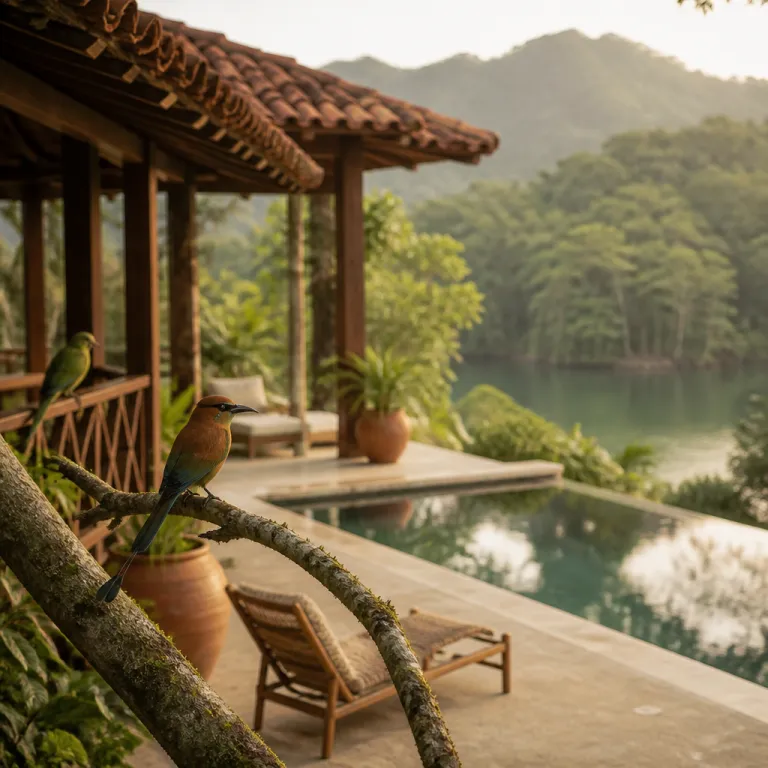
Why luxury travelers are drawn to birds in Panama
Panama sits at the narrow bridge of Central America, where two oceans and two continents funnel an astonishing variety of birds. This slim country hosts over 1,000 bird species in Panama, so luxury travelers can pair refined hotels with world class birding in a single itinerary. For guests who value comfort, curated experiences, and nature, the combination of premium lodging and Panama’s avifauna is exceptionally compelling.
The national context matters for discerning visitors who want meaningful stays, not just another room with a view. Conservation partners use habitat preservation, field guides, binoculars, and new technology to monitor each bird species, which means your stay can directly support the protection of birds in Panama. When you choose a high end hotel that collaborates with local conservation groups, your booking helps protect emblematic species such as the Harpy Eagle (Harpia harpyja, officially recognized as Panama’s national bird by Law 18 of 2002), the Resplendent Quetzal (Pharomachrus mocinno), the Scarlet Macaw (Ara macao), and the Blue-crowned Motmot (Momotus coeruliceps), alongside many other forest icons.
Many luxury hotels in Panama City and beyond now design experiences around the national bird and its habitat. The Harpy Eagle is Panama's national bird, a fact that underpins interpretive talks, artwork, and guided outings at select properties. This simple statement encapsulates the pride that many premium hotels feel when they introduce guests to Panama’s birdlife, whether through in house talks, curated excursions to a nearby national park, or private transfers to remote lodges where the forest soundtrack replaces city traffic.
Hidden gem regions where premium hotels meet rare species
Some of the finest encounters with birds in Panama happen away from the capital, in quiet valleys and coastal corners that still feel intimate. In Valle de Antón, often written as Valle Antón, upscale eco focused hotels sit inside an ancient volcanic crater where cool air and cloud forest attract tanager flocks, hummingbird species, and the occasional White-necked Wren (Cantorchilus albinucha) in the garden hedges. Guests wake to the sound of a thrush Turdus singing from mossy branches, then return to spa suites and tasting menus after a day on the trails.
On the Pacific side, the refined coastal enclave of Santa Catalina has emerged as a discreet base for travelers who want both marine adventures and Panama birds. High end villas and small luxury hotels here arrange dawn outings where guests watch a swift Chaetura cutting across the sky, then scan mangroves for a Black bellied Plover (Pluvialis squatarola) or a yellow throated flycatcher before breakfast. For a curated overview of this shoreline, a detailed resource such as a refined guide to hidden coastal luxury in Santa Catalina helps match specific properties with your birding expectations.
Inland, select lodges near lesser known reserves rival any national park for diversity, yet remain blissfully uncrowded. Here you might watch a foliage gleaner working the understory, a becard Pachyramphus perched above the pool, or a Blue-crowned Motmot swinging its tailed plumes beside your breakfast terrace. These hidden gems prove that in Panama, luxury and serious birding can share the same coordinates without sacrificing comfort or authenticity.
Designing a luxury stay around iconic Panama birds
Planning a premium trip around birds in Panama starts with choosing the right base, because distance to key habitats shapes your daily rhythm. Around Panama City, high rise hotels with skyline views can still offer serious birding access, thanks to the nearby Panama Canal corridor and several protected areas. From these urban sanctuaries, private guides will collect you before dawn and drive toward Soberanía National Park or other forested zones where the first bird song begins.
Along the Panama Canal, the mix of water, forest, and canal infrastructure creates a mosaic that attracts both migratory and resident species. Boat excursions on Gatún Lake often reveal a keel billed toucan (Ramphastos sulfuratus) or another billed toucan silhouette against the canopy, while Black bellied Whistling Ducks (Dendrocygna autumnalis) and white herons patrol the shorelines in small family groups. Many luxury hotels now coordinate these outings directly, so your concierge can align spa appointments, fine dining, and birding departures without logistical stress.
For travelers who want an immersive focus on Panama birds, a dedicated birding lodge offers a different level of access and atmosphere. Properties highlighted in resources such as birding from a luxury lodge in Panama show how early starts, expert guides, and elevated comfort can coexist. At these retreats, it is normal to see a hummingbird or even a bellied hummingbird at the feeder during your first coffee, then watch a crowned or blue tanager species flit through the foliage as you plan the rest of your day.
National parks, private reserves, and how hotels unlock access
Protected areas form the backbone of bird conservation in Panama, and they also shape the most rewarding itineraries for luxury travelers. Soberanía National Park, often shortened locally to Soberanía, lies close to Panama City yet feels worlds away once you step onto its forest trails. High end hotels in the capital frequently partner with specialist guides who know every black and white pattern, every throated call, and every flycatcher silhouette along the famous Pipeline Road.
Beyond Soberanía National Park, other reserves and national park landscapes offer contrasting experiences that pair well with different hotel styles. Some coastal resorts near national park boundaries on the Pacific and Caribbean coasts focus on mangrove and shoreline species, where a Black bellied Plover or a white necked heron might be the highlight of a sunset walk. Mountain lodges near Valle Antón or other highland areas emphasize cooler temperatures, mossy forests, and the chance to see a tailed quetzal or a thrush Turdus species from your balcony.
Private reserves complement the national network by offering controlled access, limited guest numbers, and often higher service standards. Many of these properties cap daily visitors, which means your birding group will share the trails with far fewer people than in a typical national park. For travelers booking premium rooms, this translates into quieter encounters with Panama birds, from a foliage gleaner rustling in the undergrowth to a becard Pachyramphus perched above a secluded picnic prepared by your hotel chef.
Seasonality, green season value, and choosing the right hotel
Birds in Panama reward travelers in every month, but subtle seasonal shifts can refine your hotel choices. Resident species remain present year round, while migratory birds from North America arrive roughly between October and April, adding layers of diversity to already rich checklists. Luxury properties that understand this rhythm will adjust their birding programs, suggesting different national park routes or canal excursions depending on the month of your stay.
For many guests, the so called green season brings some of the best value in Panama without sacrificing comfort. Rainfall patterns create lush landscapes around Panama City, Valle Antón, and Gatún Lake, where tanager flocks, hummingbird species, and swift Chaetura groups become especially active between showers. If you are considering a quieter period with attractive rates, resources such as this guide to green season at Panama’s beach hotels explain how lower occupancy can translate into more personalized birding experiences.
When comparing hotels, ask specific questions about how they integrate Panama birds into their guest services. Some properties maintain on site trails where a black and white warbler, a yellow throated vireo, or even a bellied hummingbird might appear within steps of your suite. Others focus on curated day trips, sending guests to Soberanía National Park, coastal wetlands along the Panama Canal, or highland forests where a crowned or blue tanager, a White-necked Wren Cantorchilus, or a foliage gleaner could become the highlight of your stay.
Practical tips for booking luxury stays focused on birds in Panama
Securing the right hotel for a bird focused trip in Panama starts with clarity about your priorities. If your main goal is to see emblematic species such as the Harpy Eagle or a keel billed toucan, choose properties with easy access to the Panama Canal corridor, Soberanía National Park, or other well known reserves. Travelers who prefer a broader mix of wildlife, spa time, and cultural experiences might lean toward Panama City hotels that combine urban sophistication with day trips into surrounding forests.
When evaluating options, look for evidence that the hotel understands serious birding rather than treating it as a casual add on. Signs of genuine expertise include staff who can name local birds, partnerships with certified guides, and printed checklists that mention species such as thrush Turdus, swift Chaetura, becard Pachyramphus, and foliage gleaner families. Properties that highlight Panama birds in both singular and plural terms, from a single Black bellied Whistling Duck to flocks of blue tanagers, usually invest more in quality field experiences.
Finally, consider how each hotel balances privacy, comfort, and proximity to nature rich areas. A family traveling with children might appreciate a resort style property near national park beaches, where short walks reveal white herons, yellow warblers, and the occasional hummingbird without long drives. Solo travelers or couples focused on photography may prefer intimate lodges near Valle Antón or Gatún Lake, where dawn starts, tailed silhouettes in the canopy, and the soft calls of a White-necked Wren Cantorchilus become the natural soundtrack to a refined stay.
Key figures and data about birds in Panama
- Panama hosts approximately 1,021 recorded bird species, according to Avibase – The World Bird Database (Panama country checklist and species data), placing the country among the most bird rich nations in Central America.
- Migratory birds typically visit Panama from October to April, which means luxury travelers visiting during these months can combine resident species with an influx of northern migrants on the same trip.
- Resident bird species remain observable throughout the year, so high end hotels can confidently offer birding excursions in both dry and green seasons without compromising guest expectations.
- National conservation initiatives that combine habitat preservation and ecotourism aim to protect this avian diversity while supporting local economies connected to premium travel.
FAQ about luxury stays and birds in Panama
What is the national bird of Panama and where can I see it ?
The Harpy Eagle is Panama's national bird, and it inhabits remote lowland forests that are usually accessed through specialist tours rather than casual day trips. Some luxury lodges and high end operators arrange multi day excursions to regions where this powerful raptor still breeds. These experiences require advance planning, higher budgets, and a willingness to travel beyond Panama City into more isolated habitats.
How many bird species can I expect to encounter during a one week stay ?
Panama has over 1,000 recorded bird species, but a typical one week luxury itinerary focused on accessible areas might yield 150 to 250 species with an expert guide. Stays that combine Panama City, Soberanía National Park, and a second region such as Valle Antón or Gatún Lake usually produce the highest trip lists. Serious birders who stay at dedicated lodges and start at dawn most days will often reach the upper end of that range.
Is birding in Panama suitable for families staying at premium hotels ?
Birding in Panama works very well for families, especially when based at resorts or lodges that offer flexible half day outings. Children often enjoy colorful species such as toucans, tanagers, and hummingbirds, which appear even on short walks near the hotel. Many high end properties provide private guides who can adjust pace, distance, and focus to keep younger travelers engaged.
Do I need to bring my own equipment for birding focused stays ?
Most luxury hotels and specialist operators in Panama recommend that guests bring personal binoculars, but many can supply loaner pairs if requested in advance. Serious photographers should travel with their own camera bodies and telephoto lenses, as rental options remain limited outside Panama City. Field guides and digital apps are widely used, and some lodges maintain small libraries dedicated to Panama birds.
When is the best time of year for a luxury birding trip to Panama ?
Birding in Panama is productive throughout the year, because resident species remain active in all seasons. Travelers who want to see both resident and migratory birds often choose dates between October and April, when northern migrants pass through or overwinter. Guests seeking quieter hotels and lush landscapes may prefer the green season, when premium properties often offer attractive rates and more personalized guiding.
Trusted references for further reading
- Avibase – The World Bird Database (Panama country checklist and species data).
- Audubon Society – Resources on Neotropical migratory birds and conservation in Central America.
- BirdLife International – Country profiles and Important Bird Areas information for Panama.