Wondering if Panama City is good for a beach vacation? Learn how the capital’s bayfront hotels, Casco Antiguo stays, and Avenida Balboa towers compare with Panama’s true beachfront resorts, plus tips on neighborhoods, parking, and planning a city-and-beach itinerary.
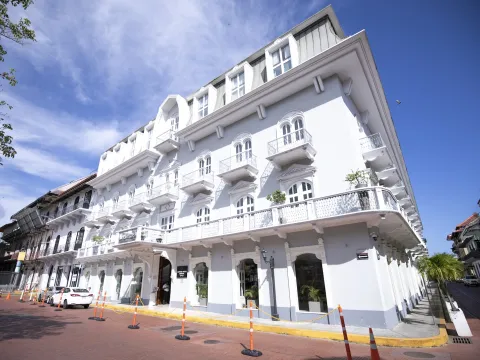
We were drawn to this hotel by its address and its bones. Sofitel Legend Casco Viejo occupies the former Club Unión, built in 1917 at the tip of the old town, where the preserved French colonial façade looks straight out...
We kept this address for the part of Panama City most visitors never see: Costa del Este, the planned district on the eastern edge of the bay, all wide avenues and corporate towers, with the Corredor Sur running straight back...
We were drawn to the scale of this one: 111 rooms at the corner of Calle Uruguay and Avenida Balboa, which puts the smallest of the big city hotels on the street where Panama City goes out to eat. The...
Our pick here comes down to range: 356 rooms, five restaurants, a casino, two pools and the INERGY wellness club, all on one plot at Via Israel and Calle 77. It is the convention hotel of Panama City, next to...
We chose this address because of where it stands: out on the Amador Causeway, at the Pacific mouth of the canal, with the Bridge of the Americas in the window and ships moving past all day. Breakfast at the Bridge...
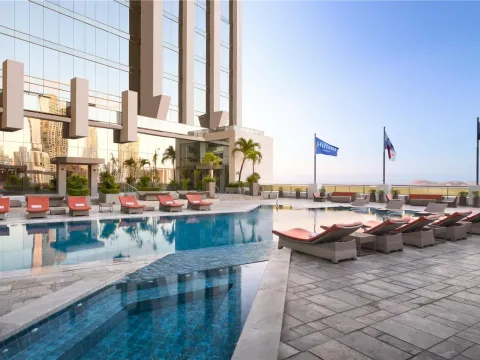
We selected this hotel for its bayfront position on Avenida Balboa, at the corner of Aquilino de la Guardia, where the financial district meets the water. The rooftop pool is heated and looks straight down Panama Bay, and the eforea...
We kept this hotel for one thing above the rest: the bay. The Miramar tower stands on Avenida Balboa with the whole sweep of Panama Bay in front of it, which means the ships waiting their turn at the Pacific...
We loved the way this one carries its own name. Peacock Alley, the lobby bar whose title the group has kept from the original Waldorf in New York, sits here in Marbella, a few streets back from the Cinta Costera...
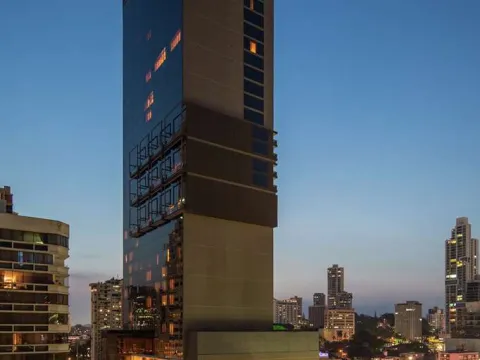
Our pick here comes down to what the hotel does with Panama rather than what it borrows from elsewhere. W Panama takes fifty storeys of Calle 50, in the middle of the banking district, and the design keeps quoting the...
We chose this address because no other hotel in Panama carries this much of the country's story. Emil Dreyfous raised it in 1874 on Plaza de la Independencia, facing the Metropolitan Cathedral, and the first Panamanian flag was shown to...
Wondering if Panama City is good for a beach vacation? Learn how the capital’s bayfront hotels, Casco Antiguo stays, and Avenida Balboa towers compare with Panama’s true beachfront resorts, plus tips on neighborhoods, parking, and planning a city-and-beach itinerary.
Is Panama City a good place to stay for a beach vacation?
Choosing Panama City for your stay
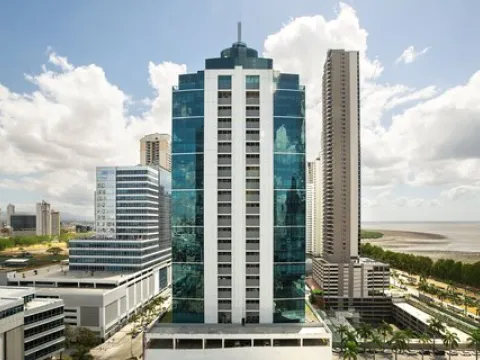
Glass towers along Avenida Balboa facing the bay, colonial facades in Casco Antiguo, and the jungle line on the horizon; Panama City is not a typical beachfront resort, yet it anchors many of the country’s most sophisticated city hotels. Travelers often pair a few nights here with a longer beach vacation elsewhere, using the capital as a stylish urban base. That mix makes the city a strong choice if you want culture, gastronomy, and easy access to both the Pacific and the canal, rather than a pure white-sand escape.
Expect a clear contrast between the historic quarter around Plaza de la Independencia and the modern skyline near Calle 50. In the old city, streets are narrow, pavements uneven, and the atmosphere intimate; in the financial district, towers rise above multi-lane avenues and international restaurants. Both areas host premium hotels and suites, but the mood could not be more different. Deciding where to stay in Panama City starts with choosing between these two worlds and how much you value character over convenience for your vacation.
For many visitors, the city works best as a three to four night stop at the beginning or end of a longer trip through Panama. You can explore the canal, dine in serious restaurants, and still carve out time for a day trip to the beaches near the Pacific coast. If your priority is a classic beach vacation with soft sand and a true beachfront hotel, you will likely sleep elsewhere and treat Panama City as your urban interlude, using it as a hub for flights, cultural sightseeing, and practical services such as easy airport transfers and secure parking.
Quick facts for planning
Tocumen International Airport (PTY) to downtown: about 20–30 minutes by taxi in light traffic, 40+ minutes at rush hour (timings based on typical 2024 conditions).
Panama Canal (Miraflores Visitor Center) from central hotels: roughly 20–30 minutes by car.
Closest Pacific beach areas (Playa Coronado region): around 1.5 hours’ drive from the city, depending on traffic towards the coast.
Panama City’s bayfront skyline: urban waterfront rather than a swimming beach with white sand.
City versus beach: understanding Panama City’s geography
From the Cinta Costera seafront park, the water looks inviting, but this is a city bay, not a swimming beach. The shoreline here frames the skyline and the ships waiting for the canal, rather than loungers and umbrellas. For soft sand and a classic beach vacation, you need to drive out of the capital towards the Pacific coast, where dedicated beachfront resorts line the shore. Panama City itself is about energy, culture, and views over the gulf-like curve of the bay, not about dipping into turquoise water at your doorstep.
Within the city limits, the closest thing to a beach experience is the long coastal promenade. Locals jog, families enjoy the playgrounds, and food vendors appear at sunset. It is pleasant, but you will not be swimming here. If you want to combine a city stay with real beaches, consider splitting your time between Panama City and a second stop on the Pacific coast or the Caribbean islands. That way you enjoy both the capital’s restaurants and the white sand of Panama’s better-known beaches without compromising on either side of your itinerary.
Travelers sometimes confuse Panama City with Panama City Beach in Florida, a very different destination built around the Gulf of Mexico, pier attractions, and long strips of sand. The Panamanian capital has its own waterfront, but it is a working bay, closer in spirit to a port city than to a resort. When you plan, be clear about which city you are booking; the two offer entirely different experiences, atmospheres, and hotel styles, and mixing them up can derail expectations for a beach-focused trip.
Orientation map
Picture Panama City stretched along the Pacific shoreline: Casco Antiguo at one end, Avenida Balboa and the Cinta Costera in the middle, and the modern financial district inland. The canal locks sit to the west, while the main highway to the Pacific beaches heads southwest out of town towards coastal areas such as Playa Coronado and beyond.
Where to stay in the city: key neighborhoods
Casco Antiguo, the historic quarter, suits travelers who value character over convenience. Here, restored buildings cluster around cobbled streets like Calle 9a Este, with church towers and rooftop bars framing the view towards the Pacific. Hotels tend to be smaller, with fewer suites but more sense of place. You step out directly into plazas, galleries, and cafés, and you can walk to many of the city’s best restaurants. The trade-off: traffic can be slow, and parking is often limited or valet-only, which matters if you are renting a car for day trips or driving on to the beaches.
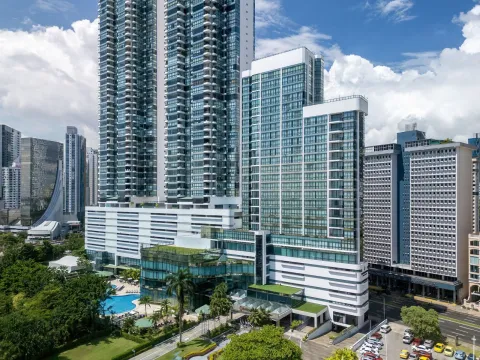
The financial district around Calle 50 and Obarrio feels more like a Latin American Manhattan. Tall towers, wide avenues, and a concentration of international hotels define the skyline. This area works well if you want a polished, business-like stay with large rooms, modern suites, and easy access to shopping malls. Many properties here offer structured amenities such as dedicated breakfast areas, pools on high floors, and organized transport, which can be useful for a short city break or a stopover before flying to the islands or continuing your beach vacation.
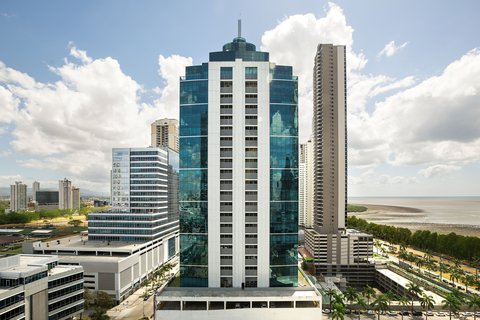
Along Avenida Balboa, facing the bay, several luxury properties line the waterfront. These hotels appeal to travelers who want panoramic views and quick access to the Cinta Costera park for morning runs or evening walks. You are a short drive from both Casco Antiguo and the banking district, which makes this strip a strong all-round choice. It is not a beachfront zone in the swimming sense, but the water views and the constant movement of ships heading towards the canal create a distinctive urban seafront atmosphere that feels very different from inland districts.
Sample downtown hotels to compare
American Trade Hotel (Casco Antiguo, boutique, around US$250–350 in 2024, 4.5-star feel): atmospheric historic building with stylish rooms and a small pool; limited on-site parking and lively nightlife nearby can mean some noise.
Central Hotel Panama Casco Viejo (Casco Antiguo, around US$200–300 in 2024, 4-star): classic-style rooms right on Plaza de la Independencia; unbeatable location for walking, but traffic and crowds at peak times.
JW Marriott Panama (Avenida Balboa, around US$220–320 in 2024, 5-star): high-rise tower with bay views, infinity pool, and spacious suites; more of an urban resort feel, slightly removed from the historic quarter on foot.
Hilton Panama (Avenida Balboa, around US$180–260 in 2024, 4–5-star): modern rooms overlooking the bay, good gym and pool; busy main road in front, so expect city noise and rely on taxis or rideshares.
Waldorf Astoria Panama (near Calle 50, around US$200–280 in 2024, 5-star): compact luxury property with attentive service and a quiet pool area; fewer family friendly facilities than larger resorts.
Riu Plaza Panama (financial district, around US$130–200 in 2024, 4-star): tall tower with large room inventory, generous breakfast, and easy taxi access; décor is more business-like than boutique.
Casco Antiguo: characterful streets and smaller boutique hotels close to major sights.
What to expect from luxury and premium hotels in Panama City
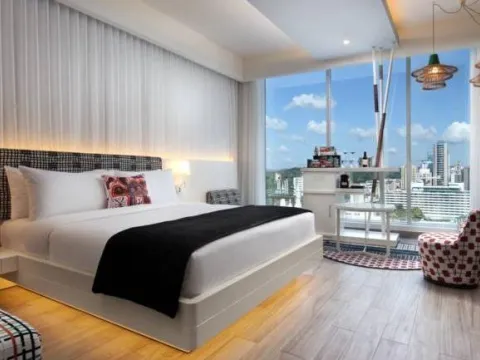
Inside the city’s top hotels, the contrast with the tropical heat outside is immediate: cool marble, high ceilings, and discreet service. Rooms in the premium segment usually start spacious, with king beds, generous wardrobes, and large windows framing either the skyline or the bay. Suites often add separate living areas, dining tables, and sometimes kitchenettes, which can be valuable for longer stays or for families who prefer more space. Expect contemporary design rather than heavy classic décor, with neutral palettes and a few Panamanian touches such as local art or woven textiles.
Breakfast in higher-end properties tends to be a highlight rather than an afterthought. Buffets often combine local fruit, fresh juices, and Latin American staples with international options. If you care about a slow morning ritual, check whether your chosen hotel offers à la carte service or only a buffet; the experience can feel very different. Many hotels also provide on-site parking, sometimes complimentary, sometimes paid, which matters if you plan to rent a car to explore beyond the city or drive to the Pacific beaches after your stay.
Service culture in Panama City’s premium hotels is generally friendly and professional, with English widely spoken in the luxury segment. You will find gyms, pools, and often spas, though the atmosphere varies from resort-like to strictly urban. Some properties lean into a more family friendly approach with connecting rooms and children’s areas, while others feel clearly oriented towards business travelers. Before you book, decide whether you want a quiet, grown-up stay or a livelier environment where families and groups are part of the picture, as this will shape how you experience the city.
Transport, noise, and parking at a glance
Transport: From most central hotels, taxis or rideshares to Tocumen Airport typically cost a fixed fare and take 20–40 minutes depending on traffic.
Noise: Casco Antiguo can be lively at night; Avenida Balboa and major avenues carry constant traffic. Higher floors usually mean quieter rooms.
Parking: Large towers often have garages; historic buildings rely on valet or nearby lots. Confirm parking costs before arrival if you are driving.
Matching the right hotel to your travel style
Short city break before or after a wider Panama itinerary calls for a central location. If you plan to spend most of your time exploring the canal, the old quarter, and nearby museums, staying in Casco Antiguo or close to Avenida Balboa keeps transfers short. You can walk to many sights, then retreat to your room or suite for a pause before dinner. For this kind of stay, atmosphere and view often matter more than resort-style facilities or proximity to beaches, because you will likely head out of town for serious time on the sand.
Families traveling with children may prefer larger properties in the modern districts. These hotels usually offer more room categories, including spacious suites and interconnecting options, plus pools that feel safe and accessible. A family friendly hotel with easy parking simplifies day trips to the rainforest or to the Pacific coast. If you are planning a longer vacation that mixes city and beach, consider spending fewer nights in the capital and more time where the sand and sea are the main event, using Panama City mainly for the canal, shopping, and dining.
Travelers with pets should verify in advance whether a property is pet friendly, as policies vary widely in Panama City. Some hotels welcome small dogs in specific room types, sometimes with dedicated amenities, while others do not accept animals at all. If you are driving through the country, this detail can determine where you stop for the night. Matching your expectations on service style, room size, and flexibility with the hotel’s actual offer is the surest way to enjoy your stay and avoid surprises at check-in.
Practical tips before you book a hotel in Panama City
Traffic along the main arteries, especially around Avenida Balboa and Via España, can be dense at peak hours. When you choose a hotel, look at its exact location on the map rather than relying on a generic “central” label. Being a few blocks closer to the Cinta Costera or to your main meeting point can save you time every day. If you plan to explore on foot, check pedestrian access; some towers sit on busy intersections that are less pleasant to navigate, while Casco Antiguo’s narrow streets reward walking but can be challenging for vehicles.
Climate is another factor. Panama City is hot and humid for most of the year, with sudden showers. A pool, even a small rooftop one, can transform your experience after a day in the city. If you are sensitive to noise, ask about proximity to major roads or nightlife areas, especially in Casco Antiguo where music can carry through narrow streets. A higher floor often means better views and less street-level sound, and blackout curtains plus efficient air conditioning make a noticeable difference to sleep quality.
Finally, think about how Panama City fits into your wider route. If you are heading on to the Pacific beaches, the highlands, or the islands, choose a hotel that makes your onward transfer simple, whether that means quick access to the airport road or to the main highways. The capital is not where you will find long stretches of white sand or a classic beachfront resort experience, but it is where you can enjoy sophisticated dining, a sense of history, and a front-row seat to one of the world’s most important maritime crossroads.
Is Panama City a good place for a beach vacation?
Panama City itself is not ideal for a classic beach vacation, because its shoreline is a working bay and urban waterfront rather than a swimming beach with white sand. The city excels as a cultural and gastronomic hub, and many travelers pair a stay here with time on Panama’s Pacific or Caribbean coasts, where dedicated beachfront resorts and natural beaches provide the true sand-and-sea experience.
Which area of Panama City is best to stay in?
The best area depends on your priorities; Casco Antiguo suits travelers who want history, character, and walkable streets, while the financial district around Calle 50 offers modern towers, large rooms, and easy access to shopping. The waterfront strip along Avenida Balboa works well if you want bay views and quick access to the Cinta Costera park, with short drives to both the old quarter and the business zone.
How many hotels are there in Panama City?
Panama City offers several hundred accommodation options across its districts, ranging from small character properties in the historic quarter to large international towers in the modern city. This variety allows travelers to choose between intimate stays, business-oriented hotels, and full-service luxury properties, depending on their itinerary and style.
Is Panama City suitable for families?
Panama City can work very well for families, especially if you choose a hotel with spacious rooms or suites, a pool, and straightforward access to parks and attractions. Many larger properties in the modern districts are family friendly, offering connecting rooms and practical services, while the city itself provides easy day trips to the canal, rainforest areas, and coastal viewpoints.
How long should I stay in Panama City?
A stay of three to four nights usually allows enough time to see the canal, explore Casco Antiguo, enjoy the city’s dining scene, and take a short excursion beyond the urban core. If you are combining the capital with beach or nature destinations elsewhere in Panama, you might shorten or extend this slightly, but most travelers find that a few focused days in the city fits well into a wider itinerary.