SOSTUR and the rise of panama indigenous tourism as luxury infrastructure
Panama indigenous tourism has shifted from niche curiosity to core infrastructure for serious luxury planners. High-end travelers who visit the country now expect itineraries that weave the Panama Canal, the Pacific coast and time with indigenous communities into one coherent narrative. For operators, ignoring this shift in Panama indigenous expectations risks losing relevance with a new generation of guests who equate cultural depth with true luxury.
The SOSTUR digital portal, created in 2021 under Indigenous leadership and backed by national partners such as the Panama Tourism Authority, lets travelers book sustainable adventures with indigenous communities directly rather than through opaque intermediaries. According to SOSTUR’s own launch materials, the platform was designed to “strengthen community governance and guarantee that tourism income reaches Indigenous families first,” and its public overview notes that participating villages retain control over pricing and visitor numbers. This model routes revenue to indigenous groups in regions that mass tourism rarely reaches, from the Caribbean islands of Guna Yala to the forested river corridors near Chagres National Park. For luxury agencies that regularly design complex travel Panama journeys, SOSTUR now functions less as a feel-good add-on and more as a required layer in any serious Panama indigenous tourism strategy.
RedTuri, a one hundred percent Indigenous non-profit, anchors much of this work and connects travelers with vetted indigenous tribes and rural hosts. Its network includes communities such as Emberá Maje Drua near Bayano Lake and Guna people collectives along the archipelago, both of which prioritise conservation and cultural continuity. As RedTuri notes in its own materials, “We are a 100% Indigenous non-profit promoting sustainable tourism that protects our territories and creates dignified work,” and its program summaries highlight that community associations receive the majority of tour income. That clarity of ownership reassures luxury guests who want their spend to support local people directly.
For travelers based in Panama City, this new infrastructure makes it feasible to leave a rooftop suite after breakfast and be on a river canoe with Emberá people by late morning. A typical transfer from a central hotel to an Emberá Wounaan embarkation point near Chagres National Park takes around 60–90 minutes by private vehicle, followed by a 20–30 minute canoe ride upriver. A private guide will usually coordinate these logistics, manage language nuances with indigenous communities and ensure that visits respect local protocols.
This is where a specialist guide quietly shapes the experience, balancing guest comfort with the expectations of each village and community. Many luxury operators now brief guides to discuss dress codes, photography rules and appropriate gifting before guests arrive, so that the encounter feels like a hosted exchange rather than a performance. For high-end planners, building this layer of preparation into the itinerary is as important as securing the right suite category or yacht charter.
High-end hotel booking platforms now curate stays that pair urban properties with access to these experiences, rather than selling rooms in isolation. A guest might reserve a design-forward address in the historic city quarter, then add a SOSTUR-linked tour to an Emberá Wounaan community along the Chagres River as a core part of the itinerary. For travelers comparing options in Panama, the most sophisticated platforms frame Panama indigenous tourism not as a side excursion but as a defining element of the trip.
In the highlands, the same logic applies when guests combine a refined stay with time in Ngäbe Buglé territories. A traveler might book a few nights at a heritage property in Boquete, using a refined highlands retreat in Panama as a base before joining a guide-led cultural tour into nearby indigenous communities. This pairing of polished service and structured access to indigenous tribes allows guests to move between comfort and immersion without falling into voyeurism, while operators can clearly articulate how each component of the journey supports local economies.
From canal side suites to river canoes: integrating hidden indigenous gems into luxury stays
In Panama City, luxury travelers often start with skyline suites overlooking the Panama Canal or the Pacific coast before turning inland toward quieter indigenous communities. A well-briefed guide will map out a route that moves from the city to river-based villages, ensuring that each visit feels intentional rather than rushed. The most interesting itineraries now treat Panama indigenous tourism as the spine of the journey, not a decorative flourish.
One classic day trip pairs a late check-out from a central city hotel with a drive toward Chagres National Park, where Emberá people host guests along the Chagres River. Here, wooden canoes replace chauffeured SUVs and the soundtrack shifts from traffic to water and birds, while the community shares stories about forest management and traditional fishing. For many travelers who travel Panama regularly, this contrast between canal-side glass towers and riverbank villages is precisely what makes the country compelling.
Emberá Drua and other Emberá Wounaan settlements near protected areas operate on clear community rules that every visitor must respect. Guests are welcomed by people in traditional dress, yet the emphasis is on dialogue about contemporary life rather than staged performances, and the community will often explain how tourism revenue supports schooling and healthcare. A responsible guide will frame these conversations carefully so that Panama indigenous tourism strengthens dignity rather than turning indigenous tribes into photo opportunities.
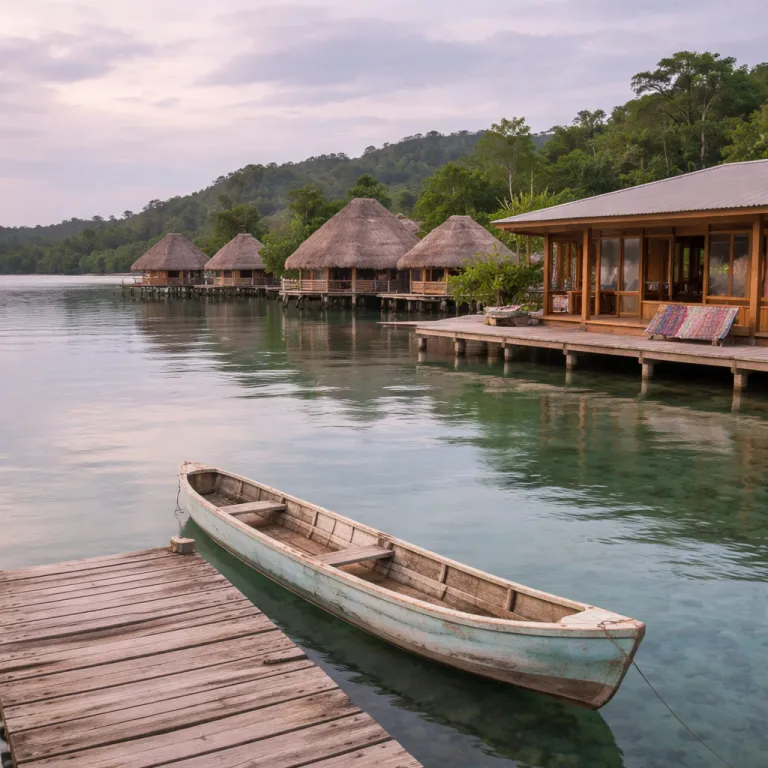
On the Caribbean side, Bocas del Toro and the wider Bocas del archipelago offer another layer of hidden gems for luxury travelers. High-end overwater lodges now collaborate with nearby Ngäbe Buglé communities, arranging small group visits where guests can learn about cacao cultivation, river transport and coastal conservation. These tours are deliberately low volume, and the guide will usually cap group sizes to protect both the environment and the cultural fabric of the host village.
For travelers who prefer to stay anchored in the capital, curated hotel content helps bridge the gap between city comfort and rural immersion. Detailed property guides, such as this analysis of a major Panama City hotel and what travelers need to know now, increasingly highlight access to indigenous groups and national park excursions alongside spa menus. The message is clear for anyone planning to travel Panama at the top end of the market, namely that proximity to Panama indigenous tourism is now a marker of a truly complete stay.
Even multi-country itineraries that link Panama Colombia routes are being rethought through this lens. Operators designing overland journeys between the two nations now weave in time with Guna people in Guna Yala, Emberá communities near Bayano and Ngäbe Buglé villages in the highlands, rather than focusing solely on transit. For guests, this means that tribes in Panama are no longer an optional add-on but a central narrative thread that runs from city to river to coast.
For luxury planners, a practical rule of thumb is to allocate at least one full day to each indigenous region included in a Panama itinerary, allowing for transfers, weather delays and unhurried conversations. A simple one-day outline might look like this: morning departure from Panama City, late-morning arrival and canoe transfer, shared lunch and village tour, mid-afternoon cultural exchange and return to the hotel by early evening. Building in this breathing space ensures that hidden indigenous gems feel like immersive chapters in the journey rather than rushed stopovers between canal-side suites and Pacific coast hideaways.
Beyond voluntourism: what luxury travelers should expect from SOSTUR led community stays
Panama indigenous tourism through SOSTUR differs structurally from older voluntourism models that often centred visitor needs over community priorities. Here, indigenous communities design the experience, set group sizes and decide how revenue is shared, while the platform provides digital infrastructure and visibility. For luxury travelers, that means less control over every detail but far greater authenticity and impact.
In Emberá Maje Drua, for example, guests might join a guided walk through secondary forest to learn how traditional plant knowledge informs modern conservation. The community will often share a meal based on river fish and local crops, explaining how climate shifts affect both the river and the village economy, and this direct exchange turns an abstract cultural concept into a lived experience. A seasoned guide will translate where needed but step back when conversations flow naturally between people.
Guna people in Guna Yala structure their SOSTUR-linked visits around small-scale cultural exchanges rather than charity-framed projects. Guests may tour a village, learn about mola textiles and hear how indigenous groups manage marine zones, yet they are not asked to paint schools or stage short-term interventions that create dependency, and that distinction matters. For travelers used to five-star service, the absence of air conditioning or polished amenities is offset by the clarity that their presence supports long-term community goals.
Ngäbe Buglé communities in the highlands follow similar principles, inviting visitors to share daily routines rather than orchestrated spectacles. A typical tour might include time in coffee plots, river crossings on foot and conversations about land rights, with the guide ensuring that questions remain respectful and that no one photographs sacred spaces. Briefing notes for luxury operators often underline that the guide will act as both translator and cultural safeguard, setting expectations before guests arrive.
Luxury travelers who care about gastronomy are also folding these experiences into broader culinary itineraries. A stay that includes a deep dive into contemporary Panamanian cuisine at a leading restaurant, such as the story behind how Mario Castrellón built Panama’s first globally recognised kitchen, now often sits alongside time in indigenous villages where ingredients originate. This alignment between city kitchens and rural producers reinforces the idea that Panama indigenous tourism is not a separate niche but part of the same national story.
For solo explorers booking through high-end platforms, the key is to read itineraries with the same scrutiny applied to room categories and spa menus. Look for clear references to specific indigenous tribes such as Emberá people, Guna people or Ngäbe Buglé, transparent explanations of how fees are shared with communities and realistic descriptions of comfort levels in each village. When those elements align, Panama indigenous tourism becomes a powerful complement to canal-side suites, Pacific coast hideaways and national park lodges across Panama, delivering both cultural insight and measurable benefits for host communities.