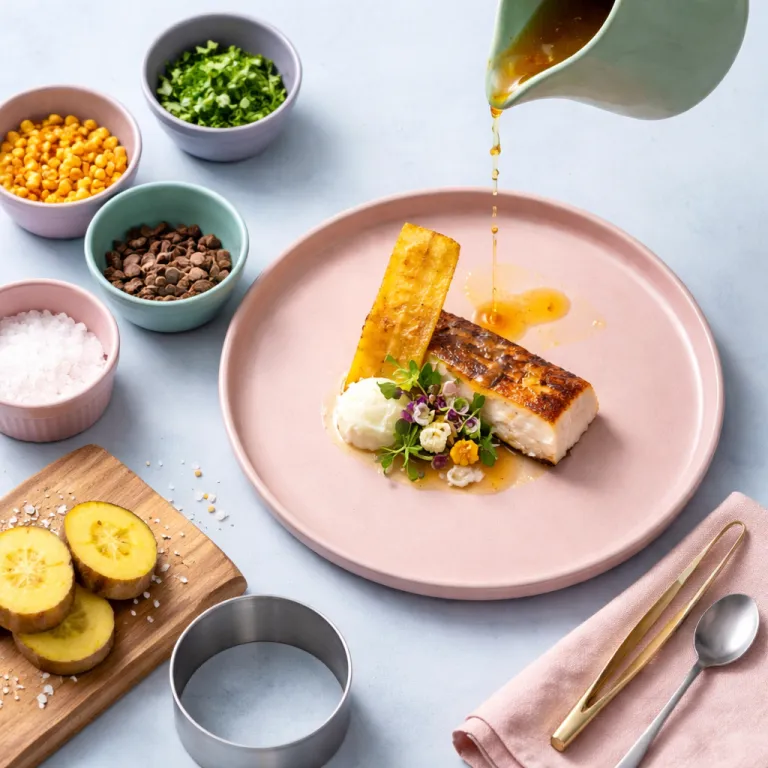
Maito Panama restaurant as the quiet revolution in Coco del Mar
Maito Panama restaurant sits in a leafy residential pocket of Coco del Mar, far from the postcard façades of Casco Antiguo. The location feels almost deliberately understated, yet this restaurant in Panama City is where many critics now point when they speak about the best restaurants in Latin America and the rise of a new Panamanian confidence. For couples booking a luxury stay in the city, planning a dinner here turns a simple night out into a full immersion in the country’s most ambitious culinary narrative.
Chef Mario Castrellón leads this acclaimed restaurant Panama address with a calm precision that belies how radically he has shifted expectations of Panamanian food. His stated mission is clear in the official description that “Maito offers contemporary Panamanian cuisine,” and the team pursues it through a style he calls “Chombasia”, a fusion of Afro Caribbean, Asian and local influences that mirrors the multicultural reality of Panama itself. The result is a tasting menu that feels both rooted and restless, a sequence of dishes that move from coast to highlands while staying firmly anchored in the city’s energy.
Unlike many headline grabbing restaurants, Maito Panama does not rely on spectacle or gimmicks to earn its place on the Latin America’s 50 Best Restaurants list, where it has appeared repeatedly since 2016. The dining room is warm rather than theatrical, and the focus stays on the food, the service and the quietly choreographed rhythm of dinner. For travelers using curated lists of the best experiences in Panama, this restaurant belongs beside canal transits and San Blas sailing on any serious itinerary.
The culinary philosophy of Mario Castrellón and the new Panamanian table
Mario Castrellón grew up in Panama City, trained abroad, then returned determined to show that Panamanian ingredients could sustain a world class restaurant. His work at Maito Panama restaurant channels Afro Antillean stews, Chinese fondas, indigenous techniques and Spanish pantry staples into a single, coherent culinary language that feels unmistakably of this city. When you explore the menu, you taste a chef using avant garde methods not to impress, but to clarify what makes this small country such a powerful crossroads in Latin America.
The kitchen partners with indigenous communities, local farmers and fishermen, turning the surrounding territory into an extended pantry that luxury travelers rarely see. That means seafood del mar from both coasts, cacao from Bocas del Toro, coffee from the Chiriquí highlands and tropical fruit that rarely appears on a standard hotel breakfast buffet, all woven into tasting menu sequences that change with the seasons. Growing interest in fusion cuisines and recognition of indigenous culinary practices across Latin America only sharpen the sense that this restaurant Panama story is part of a wider regional shift toward authenticity and sustainability.
For couples planning elegant holiday packages to Panama, anchoring one evening around a full dinner at Maito helps frame the rest of the trip. You taste the same Pacific snapper that fishermen land near Pedasí, the same plantains that appear in fondas, but here they arrive as precise, layered dishes that respect tradition while pushing technique. It is this balance that has helped position Maito among the best restaurants in Latin America and made Mario Castrellón a reference point for young chefs across the city.
Dishes that defined Maito and how to order like a regular
The Maito Panama restaurant reputation was not built on a single signature plate, but several dishes have become quiet legends among frequent guests. Expect seafood del mar to appear in multiple forms, from barely warmed crudo with citrus and ají chombo oil to charcoal grilled fillets paired with coconut rice that nods to Caribbean kitchens. Land focused dishes might highlight pork slow cooked with tamarind and raspadura or native corn worked into delicate textures that feel both rustic and refined.
Ordering the tasting menu is the most complete way to understand how this restaurant in Panama City thinks about flavor and place. A full progression usually moves from raw and bright to deep and smoky, often closing with desserts that use cacao, coffee and tropical fruit to echo the country’s microclimates in miniature. For couples who prefer to share plates rather than commit to a fixed sequence, the à la carte menu allows you to build your own best list of favorites, returning to a beloved ceviche or grilled octopus on subsequent visits.
Hidden gems on the menu often sit in the vegetable and grain sections, where the kitchen treats yuca, otoe and plantain with the same respect as premium cuts of meat. Ask the team to email you the current tasting menu if you like to plan ahead, or simply trust the staff to guide you toward the best restaurant experience for your tastes on the night. When you are mapping where to stay in Panama and the best places in Central America for refined travelers, it is worth choosing a hotel that makes the short ride to Coco del Mar effortless so you can linger over dinner without watching the clock.
From Maito to the city: how one restaurant reshaped Panama’s dining scene
The influence of Maito Panama restaurant extends far beyond its dining room in Coco del Mar. Many of the cooks who passed through Mario Castrellón’s kitchen now lead some of the best restaurants in the city, carrying forward a shared belief that Panamanian ingredients deserve center stage. This quiet mentorship has helped turn Panama City into a UNESCO Creative City of Gastronomy, a designation that reflects both heritage and forward looking innovation.
Places like Cantina del Tigre, Fonda Lo Que Hay and Caleta show different facets of this new confidence, from elevated fonda style food to seafood driven tasting menus that reinterpret coastal traditions. While Casco Antiguo remains the most photogenic quarter for restaurants, the fact that Maito chose Coco del Mar underlines how the city’s culinary gravity now spreads beyond the old town. For travelers staying at refined city hotels, such as those highlighted in this guide to a Bristol hotel Panama stay in the heart of the city, it has never been easier to move between historic streets and the quieter residential pockets where chefs are doing their most personal work.
International recognition has followed this momentum, with Maito’s presence on Latin America’s 50 Best Restaurants lists and coverage in global titles that now rank Panama among America’s best emerging food destinations. Forbes has already flagged Panama as a culinary destination to watch, and that attention feeds back into the local scene as more travelers arrive ready to explore restaurants beyond the obvious. For couples using curated hotel platforms, this means you can now build itineraries that weave together stays in the city, the highlands and the islands, with each stop offering restaurants shaped by the same wave that began at Maito.
Planning your Maito evening from a luxury hotel base
Securing a table at Maito Panama restaurant requires a little foresight, especially for weekend dinner reservations. The restaurant opens from midday to late evening from Monday to Saturday, and reservations are strongly recommended if you want a relaxed, unhurried experience. When you book your hotel in Panama City, ask the concierge to handle the reservation early, then plan the rest of your evening around the tasting menu timing.
A serious meal here, including a full tasting menu with wine pairings for two, typically aligns with what you would expect at a top tier Latin America address, sitting comfortably below prices in North American capitals but above most local restaurants. Couples who prefer a lighter evening can share several dishes à la carte, pairing them with cocktails that echo the same Panamanian pantry as the food. Dress codes lean toward smart casual, which suits travelers coming from upscale city hotels or from more relaxed coastal stays without requiring formal wear.
For those planning extended itineraries, it makes sense to subscribe to curated travel newsletters that share updates on restaurant Panama openings and seasonal menus, rather than relying on static best list rankings. Our own email briefings at mypanamastay.com focus on how gastronomy intersects with stays, from city tasting menus to jungle lodges where chefs work directly with local producers. As you skip content that feels generic and focus on insider guidance, you will find that one dinner at Maito often becomes the reference point against which you measure every other meal in Panama.
FAQ
What type of cuisine does Maito serve ?
According to the official description, “What type of cuisine does Maito serve? Maito offers contemporary Panamanian fusion.” This means the restaurant blends Afro Caribbean, Asian, indigenous and Spanish influences into a modern expression of Panamanian food. Expect both tasting menu formats and à la carte dishes that highlight local ingredients.
Where is Maito located in Panama City ?
Maito is located on Calle 50 in the Coco del Mar neighborhood of Panama City, a quiet residential area a short drive from the financial district and Casco Antiguo. The setting feels discreet, which suits couples seeking a calm dinner away from the busiest restaurant clusters. Most luxury hotels can arrange a car transfer that takes around 10 to 20 minutes depending on traffic.
Do I need a reservation for dinner at Maito ?
Reservations are strongly recommended for both lunch and dinner, especially on Thursday, Friday and Saturday evenings. The dining room is not large, and walk in guests are often turned away when the tasting menu is fully booked. Ask your hotel concierge to secure a table as soon as your travel dates are confirmed.
How much does a meal at Maito usually cost ?
Prices vary with the season and menu format, but a full tasting menu with pairings for two typically places Maito in the upper tier of Panama City restaurants. Costs remain lower than comparable addresses in major North American or European capitals, which makes it attractive for travelers seeking value at the high end. Sharing several à la carte dishes can reduce the overall spend while still offering a rich experience.
How does Maito compare with restaurants in Casco Antiguo ?
Restaurants in Casco Antiguo benefit from atmospheric colonial streets and rooftop views, while Maito in Coco del Mar focuses more on the plate than the backdrop. Many diners choose to enjoy cocktails or lighter bites in Casco, then reserve one evening at Maito for a more focused culinary experience. Both areas complement each other, and together they define Panama City’s current position on the Latin America dining map.