Portobelo Panama heritage: where Caribbean port meets living memory
Portobelo sits on the Caribbean coast of Panamá, a small town in the province of Colón where stone fortifications face a luminous bay. This is where the story of portobelo panama heritage begins, in a natural port that once concentrated Spanish treasure from across the Americas before it sailed toward Europe. Walk its compact streets today and you feel a layered culture, shaped by the colonial era, Afro communities, and the quiet resilience of a place that has been captured, rebuilt, and reimagined many times.
The city was named Puerto Bello by Christopher Columbus, and over time Portobelo became one of the most strategic ports in the Spanish empire. From the sixteenth to eighteenth centuries, Spanish convoys loaded silver and gold here, while British privateers repeatedly attacked and sometimes captured the town, leaving behind ruined walls that still frame the bay. Those same fortifications now anchor a UNESCO heritage site, where the remains of Fort San Lorenzo, the nearby fort San Jerónimo, and other coastal batteries tell a precise story of power, conflict, and maritime ambition.
For luxury travelers, portobelo panama heritage is not only about stones and cannons but about how this port town breathes today. Afro and Afro Congo families, descendants of enslaved Africans and maroons, have turned survival into congo culture, music, and ritual that still animate the streets. When you visit Portobelo, you move between Spanish colonial arches, casas painted in bright Caribbean colors, and spaces like Casa Congo, where local artists reinterpret heritage through contemporary design and hospitality.
From Spanish fortifications to Congo culture: reading the bay like a history book
Stand on the ramparts of fort San Jerónimo and you see why this port mattered so much to Spanish and British powers. The curve of the bay, the narrow entrance, and the line of cannons once guarded Spanish treasure fleets, while watchtowers scanned for British sails on the horizon. Today, these fortifications form the core of the Portobelo and San Lorenzo fortifications heritage site, a UNESCO heritage ensemble that links the town with the dramatic cliffs of San Lorenzo at the mouth of the Chagres River.
Yet the deepest layer of portobelo panama heritage lies beyond the stone, in the Afro Congo communities that transformed oppression into art. Congo culture emerged from enslaved Africans who escaped into the forests around Portobelo and the province of Colón, creating coded dances, songs, and diablos congos masquerades that mocked colonial authorities. When you watch diablos congos performances in the town square, you see how Afro, congo, and Spanish influences collide, with costumes that reference the colonial era and rhythms that echo across the Caribbean.
Luxury and premium travelers often focus on Casco Viejo in Panama City, where restored colonial buildings host refined hotels and rooftop bars. Yet the same Spanish and Afro histories that shaped Casco’s plazas also shaped Panama Portobelo, and understanding both gives your trip a richer narrative arc. Before or after a stay in a high end Casco property — the kind examined in depth in guides to restored 1900s buildings and their edited stories — a journey by bus or private transfer to this Caribbean town lets you feel how the port, the fortifications, and the congo culture still speak to each other.
Black Christ, Cristo Negro and the sacred pulse of Portobelo
Every October, Portobelo becomes the spiritual heart of Panama when thousands of pilgrims arrive to venerate the Black Christ, known locally as Cristo Negro. The statue of Christ, housed in the church of San Felipe, is central to portobelo panama heritage, embodying both Catholic devotion and Afro interpretations of suffering, resistance, and grace. During the Black Christ festival, penitents walk for hours or days, some arriving from Panama City or the wider province Colón, carrying purple robes and candles into the town.
For a visitor, the festival is an intense immersion in living culture rather than a spectacle to consume. Afro and congo communities mix with pilgrims from across Panamá, while the streets around the church, the port, and the fortifications fill with music, food stalls, and quiet moments of prayer. When you visit Portobelo during this festival, you witness how Cristo Negro links the colonial era church, the Afro Congo identity, and the contemporary town, turning the heritage site into a living sanctuary.
Respect is non negotiable if you attend the Black Christ festival as a luxury traveler. Dress modestly, avoid intrusive photography during processions, and remember that this is first a religious event, then a cultural experience. Many high end hotels in Panama City now brief guests on how to engage responsibly with portobelo panama heritage, arranging guided visits that explain why the image of Christ here carries such weight for Afro and non Afro communities alike, and how offerings support local parishes and cultural groups rather than external operators.
From Portobelo to La Tapa del Coco: Afro-Panamanian cuisine in motion
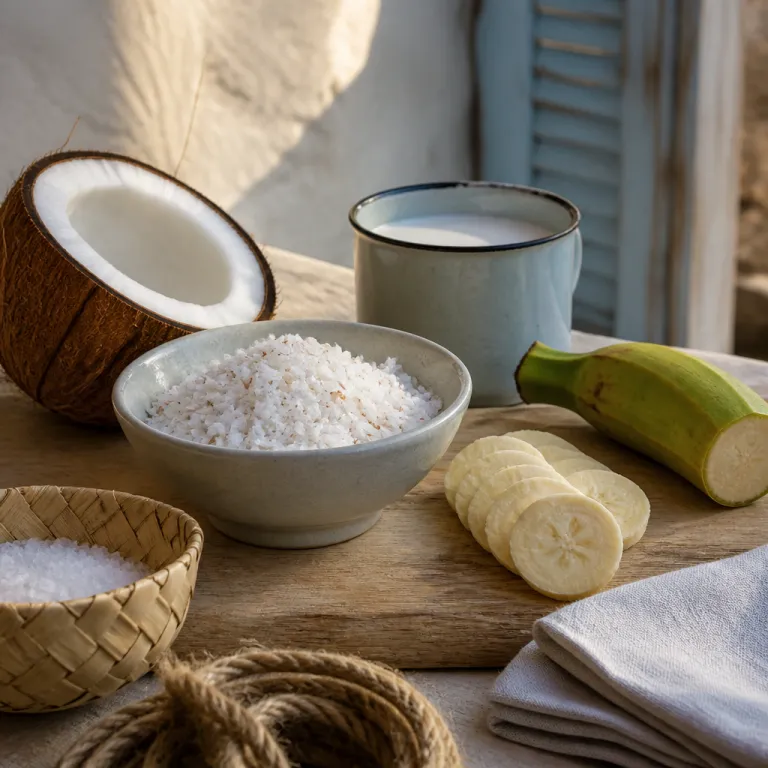
The flavors of Portobelo travel with you when you return to Panama City, especially if you follow them straight into the kitchen of La Tapa del Coco. Founded by Chef Isaac Villaverde, this restaurant has become a reference point for Afro Panamanian cuisine, translating portobelo panama heritage into plates that feel both rooted and contemporary. Here, coconut rice, plantains, and seafood echo the port town’s Caribbean port identity, while modern techniques and presentation speak to a new generation of diners.
La Tapa del Coco’s rise reflects a broader shift in how Panama engages with its Afro heritage. For years, luxury dining in the city leaned heavily on European and pan Latin influences, often sidelining Afro and congo traditions that shaped everyday kitchens from Colón to Portobelo. Now, as travelers seek deeper culture, restaurants like this one, named to international hot lists, are using historical preservation and culinary innovation to bring congo culture, Spanish colonial trade routes, and Caribbean ingredients into a single tasting menu.
When you sit at a polished table in Panama City and taste a dish inspired by Casa Congo’s community kitchen or by fishermen from Panama Portobelo, you are experiencing portobelo panama heritage in a different register. The same Spanish treasure fleets that once carried cacao and spices now echo in recipes that pair local seafood with global techniques. For luxury travelers planning where to stay across the country, a province by province guide to discerning hotels pairs well with an itinerary that moves from the bay of Portobelo to the dining rooms of the capital, connecting fortifications, festival, and food in one coherent journey.
Planning a luxury stay around Portobelo: routes, hotels and responsible choices
Reaching Portobelo from Panama City is straightforward, whether you travel by private car, hotel arranged transfer, or public bus through the province of Colón. The road follows the spine of the isthmus, crossing near the Panama Canal before turning toward the Caribbean, where the town appears suddenly between green hills and the sea. Many travelers pair a stay in a refined Casco Viejo property with a day trip, but portobelo panama heritage rewards at least one night nearby, allowing you to feel the town after the day visitors leave.
Luxury and premium options around Portobelo remain limited compared with the capital, which is precisely why early adopters find the area so compelling. Small upscale guesthouses and villas along the coast offer privacy, sea views, and curated access to guides who understand both the colonial era fortifications and the Afro Congo communities. When you visit Portobelo with a thoughtful operator, you can explore Casa Congo, meet artisans, and learn how diablos congos costumes are made, while ensuring that your spending supports local families rather than extractive intermediaries.
Responsible tourism here means asking clear questions before you book. Does your hotel or agency work with certified local guides from the town, or do they bus in staff from Panama City without engaging the community. Do excursions to nearby national park areas, such as the forests around San Lorenzo, respect environmental limits while also explaining how the port, the canal, and the Caribbean coast form a single historical corridor. Portobelo panama heritage thrives when visitors treat the town not as a quick photo stop but as a place where Afro, congo, Spanish, and British histories still shape daily life.
Beyond the bay: connecting Portobelo, San Lorenzo and the wider Caribbean corridor
Portobelo does not stand alone ; it forms part of a defensive and commercial chain that once protected the Spanish empire and now anchors cultural tourism in the Caribbean side of Panamá. The fortifications of Portobelo and San Lorenzo, recognized together as a UNESCO heritage site, guarded the routes that linked the Pacific and Atlantic long before the Panama Canal carved a new passage. When you travel between Portobelo San Jerónimo and the cliff top fortress of San Lorenzo, you trace a line where Spanish, British, and Afro histories collided.
Luxury travelers often underestimate how compact this corridor is, and how easily it can be woven into a high end itinerary. From a hotel in Panama City, you can reach the province Colón by road in under two hours, stopping at viewpoints over the canal before continuing to the Caribbean port town. Along the way, guides versed in portobelo panama heritage explain how Spanish treasure once crossed the isthmus by mule, how British raids reshaped fort designs, and how Afro Congo communities used the surrounding forests as refuges that later became the cradle of congo culture.
For those interested in deeper immersion, some operators now offer multi day routes that combine Portobelo, San Lorenzo, and nearby coastal villages, with time in national park zones and community led cultural workshops. These itineraries might include drumming sessions with Afro Congo musicians, visits to Casa Congo’s galleries, and evenings in refined yet low key lodgings that prioritize local employment and training. By the time you leave, portobelo panama heritage feels less like a static story about a colonial port and more like a living network that connects town, city, port, and kitchen across the Caribbean and the capital.
FAQ
What is Portobelo best known for today
Portobelo is best known for its Spanish colonial fortifications and the Black Christ festival, which together define much of portobelo panama heritage. The town’s role as a historic port for Spanish treasure fleets and its Afro Congo cultural traditions make it a unique destination in the province of Colón. Visitors experience a blend of architecture, religious devotion, and living congo culture that is rare elsewhere in Panama.
How do I travel from Panama City to Portobelo
The most comfortable way to travel from Panama City to Portobelo is by private car or hotel arranged transfer, which takes around two hours depending on traffic. Budget conscious travelers can also use the public bus system, changing in the city of Colón before continuing to the town. Whichever option you choose, the route crosses near the Panama Canal and offers a clear sense of how the capital connects to the Caribbean port corridor.
Why is the Black Christ festival significant
The Black Christ festival in Portobelo is significant because it brings together Catholic devotion, Afro and congo identities, and centuries of local tradition. Pilgrims honor Cristo Negro as a powerful image of Christ who understands suffering and resilience, especially for Afro communities in the province of Colón. During the festival, the town’s heritage site status becomes secondary to its role as a living sanctuary, with processions, prayers, and cultural expressions filling the streets.
Who founded La Tapa del Coco and why does it matter
La Tapa del Coco was founded by Chef Isaac Villaverde, who uses Afro Panamanian recipes and ingredients to reinterpret portobelo panama heritage in a contemporary urban setting. The restaurant matters because it brings Afro and congo flavors into the center of Panama City’s dining scene, challenging older hierarchies that favored European styles. For travelers, it offers a way to taste the connection between the port town of Portobelo, the province of Colón, and the capital’s evolving culinary culture.
What is Portobelo known for
Portobelo is known for its colonial history and Black Christ festival. These two elements, combined with the town’s Afro Congo communities and Spanish fortifications, make it a key stop for anyone interested in portobelo panama heritage. When you visit Portobelo, you encounter a place where the colonial era, Afro culture, and contemporary Panamanian life intersect in a compact Caribbean setting.