Embera river day experiences versus Guna Yala island stays
When travelers plan Indigenous cultural trips from Panama City, they are usually choosing between two distinct kinds of immersion. An Embera river day offers a concentrated encounter with an Indigenous community close to the capital, while a multi night stay in the Guna Yala (San Blas) islands unfolds at a slower rhythm shaped by tides, stars, and the quiet authority of the Guna people. Both options reveal Panama as a country where an urban skyline, dense rainforest, and Caribbean island seascapes sit within a few hours of each other.
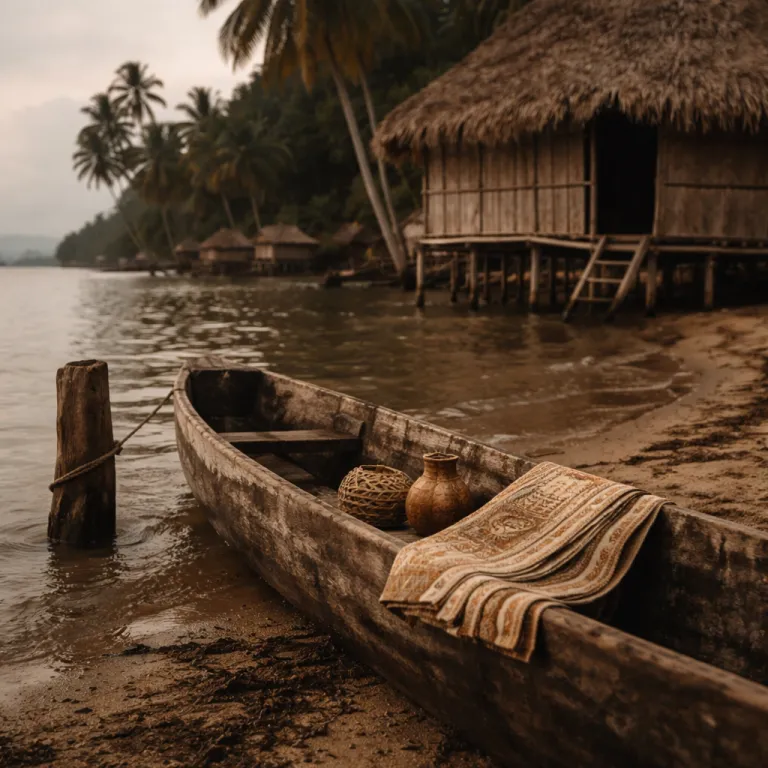
The Embera communities near the Chagres River are usually visited as a curated day trip, with guided transport from Panama City, a dugout canoe boat ride, and a structured program of music, dance, and conversation. These day tours are designed to fit within a single day, so you will leave the city in the morning, travel upriver by water, share a meal in the village, and return to your hotel before nightfall. For luxury travelers, the comfort lies not in high thread count sheets but in the clarity of logistics, the respectful mediation by qualified guides, and the chance to support an Indigenous community whose cultural continuity is central to current Panama tourism policy.
By contrast, a Guna Yala stay usually means sleeping on a small island in the San Blas archipelago, where white sand beaches, clear water, and simple cabins replace resort style accommodation. A typical Guna Yala day tour from Panama City includes 4x4 transport to the Caribbean coast, a shared or private boat ride to one or more islands, and time to swim, snorkel, and meet members of the Guna community. Multi day trips across several blas islands in what many operators call Blas Panama are less scripted, and the rhythm of each day will depend on sea conditions, community decisions, and your own willingness to slow down.
How to book ethically: SOSTUR, cooperatives, and trusted operators
The most important decision for an Indigenous visit that combines Embera river communities and Guna Yala islands is not which beach looks best on social media, but who handles your booking and where your money lands. Panama’s SOSTUR digital portal, managed by the Panama Tourism Authority as a national platform for community based tourism, was created to formalize bookings with Indigenous and rural communities, and it now sits alongside long standing community run cooperatives and a growing number of international tour operators that package day trips and multi night tours. For a luxury or premium traveler, the goal is to combine seamless logistics with a booking structure that keeps a fair share of the included price inside the Indigenous community itself.
When you compare offers for an Embera river day tour, ask whether the community has set the rate, how the included price is divided between transport, guiding, meals, and direct community income, and whether your guide is hired locally. The Panama Tourism Authority notes that around 12 % of the national population identifies as Indigenous, and sustainable tourism initiatives highlight that guided tours and community stays are tools for both cultural appreciation and economic support. Look for operators who state clearly that dugout canoe fees, community entrance contributions, and meals are paid on site in cash, and who encourage you to bring small bills to tip local guides after the tour; some Embera cooperatives, such as community associations in Embera Drua or Tusipono, publish their own suggested rates through SOSTUR and local tourism offices.
For Guna Yala and the San Blas islands, the economics are more layered because you will usually pay separate amounts for 4x4 transport from Panama City, the Guna Yala entrance fee, the boat ride to your island, and the nightly accommodation. As a general reference, visitors often pay a per person entrance fee at the Guna Yala checkpoint, plus additional island landing or photography fees that vary by community and season. Transparent operators will show you which parts of the included price go directly to the Guna community that manages the island, and which portions cover mainland logistics. When in doubt, ask whether the island is administered by a specific Guna community council, such as a local Congreso General Guna Yala representative, whether staff are from that Indigenous community, and whether your stay supports long term projects such as school maintenance, waste management, or reef protection.
What respectful cultural immersion looks like on the ground
A thoughtful visit to Embera villages and Guna Yala islands starts long before you step into a canoe or onto an island beach. Consider how you dress, what you photograph, and how you speak about the Indigenous Guna and Embera people once you return to the city. The aim is cultural exchange rather than a staged performance, and that means accepting that you are entering someone else’s home, not a theme park built for day trip tours.
For both Embera river visits and Guna Yala island stays, dress modestly in light clothes that cover shoulders and thighs, and bring a hat, sunglasses, reef safe sunscreen, and a reusable water bottle to reduce plastic waste. Panama’s humid climate makes breathable fabrics essential, but modesty signals consideration for local culture, especially when you are interacting with elders or attending a community gathering. Before you take any photographs, remember the guidance shared by local authorities; ask permission before taking photos and follow community rules about ceremonies or sacred spaces.
In practice, that means asking individuals directly, accepting a no without argument, and never photographing children in either singular or plural form without explicit consent from a parent or guardian in the Indigenous community. When you visit Guna Yala, some islands charge a small fee for photography, and this is one way the Guna community asserts control over its image and earns income from tourism. Gifts should be simple and practical, such as school supplies purchased in Panama City and handed to a community leader, while purchases of molas or handcrafts from Guna people or Embera artisans are a more sustainable way to support families than distributing sweets or cash to children.
Comfort, logistics, and what luxury really means in Embera and Guna Yala
Luxury travelers planning Indigenous cultural experiences in Panama often ask whether the accommodation will meet the standards they expect in Casco Viejo or along the canal. The honest answer is that Embera villages and Guna Yala islands are not resorts, and their value lies in immersion, not in thread counts or infinity pools. If you calibrate expectations around natural beauty, human connection, and the rare privilege of being welcomed into an Indigenous community, the experience can feel richer than any urban suite.
On an Embera river day, you will usually return to your hotel in Panama City by late afternoon, so the main comfort questions concern the boat ride, walking paths, and heat. Dugout canoes sit low in the water, and you may get splashed, so pack light clothes that dry quickly and secure your original passport in a dry bag if you carry it. Most tours include a traditional lunch, often fish with plantains, and some time to swim in the river, so bring a swimsuit under your clothes and a small towel if you prefer not to air dry.
Guna Yala stays in the San Blas islands are more rustic, with simple cabins or overwater huts, shared bathrooms on some islands, and limited electricity that may only run for a few hours each day. Fresh water is precious, so expect short bucket showers and a focus on conservation rather than indulgence, even when you have booked a private cabin. For many guests, the true luxury is waking up on a tiny island ringed by white sand, watching the sunrise over the blas islands, and knowing that your presence, if booked thoughtfully, contributes to the resilience of Guna Yala rather than eroding it.
Planning your itinerary: from Panama City hotels to river and island communities
Designing an Embera and Guna Yala itinerary around a luxury hotel base in Panama City allows you to combine urban comfort with meaningful cultural immersion. Many high end properties in the city now work with vetted tour operators who arrange Embera day trips and Guna Yala day tours, but you should still ask detailed questions about transport, safety, and community relationships. A well planned itinerary might pair a canal or Casco Viejo morning with an Embera river day, followed by a two night San Blas escape to balance culture, rest, and sea air.
For logistics, remember that Guna Yala has its own entry protocols, so you must carry your original passport for the road checkpoint, and you will pay a separate entrance fee in cash. Shared 4x4 transport usually leaves Panama City very early in the day, and the road to the Caribbean coast is steep and winding, so motion sickness tablets can be useful. Once you reach the small port, you will transfer to a boat ride across open water to your chosen island, where the Guna community will outline house rules, meal times, and any optional tours to nearby islands or reefs.
Solo travelers who prefer more structure can book through platforms that specialize in curated, all inclusive Panama travel, such as the itineraries highlighted on elegant all inclusive trips to Panama for discerning travelers. These services often bundle accommodation in the city, private or shared transport, and guided tours into a single included price, while still working with community partners on the ground. Whether you choose a minimalist island hut in Blas Panama or a polished suite overlooking the skyline, the key is to let the Embera and Guna people set the terms of engagement, and to treat every interaction as part of a longer story of cultural resilience in Panama.
FAQ
How should I arrange a visit to Embera communities from Panama City ?
The most reliable way to visit an Embera Indigenous community near the Chagres River is to book through a reputable operator that works directly with community leaders. As local authorities advise; arrange tours through reputable operators and avoid unlicensed intermediaries at roadside stops. Look for tours that specify dugout canoe transport, clearly state what is included in the price, and confirm that a significant share of your payment goes to the Embera community itself.
What fees should I expect when entering Guna Yala and the San Blas islands ?
Visitors to Guna Yala pay an entrance fee at the road checkpoint, and some islands in the San Blas archipelago also charge a small landing or photography fee. These amounts are usually paid in cash and are separate from your 4x4 transport and boat ride costs. Because fees vary by season and island, local guidance is simple; fees vary, so bring cash for payments and keep small bills handy for community managed services.
Is photography always allowed in Embera and Guna Yala communities ?
Photography is not automatically permitted, and both Embera and Guna people expect visitors to ask before taking pictures of individuals, homes, or ceremonies. Some Guna Yala islands charge a modest fee for photography, which supports the Guna community that manages the island. Always follow the rule shared by local authorities; ask permission before taking photos and respect any request not to share certain images on social media.
What should I wear and bring for a respectful day trip or day tour ?
Wear light clothes that cover shoulders and thighs, and pack a swimsuit, hat, sunglasses, and a reusable water bottle for both Embera river days and San Blas island tours. Closed shoes or sturdy sandals are useful for village paths, while a small dry bag protects your phone and original passport during boat transfers. Bring enough cash in small bills for community fees, optional crafts, and tips, as card payments are rarely available in Indigenous areas.
How can I be sure my visit supports the Indigenous community economically ?
Ask operators to explain how the included price is divided between transport, guiding, and direct payments to the Indigenous community, and prioritize tours where community leaders set the rates. Choosing locally guided tours, buying crafts directly from artisans, and paying entrance or island fees without bargaining all help keep revenue in the community. Sustainable Travel International and Panama’s SOSTUR portal both highlight these practices as regional best examples of community based tourism.