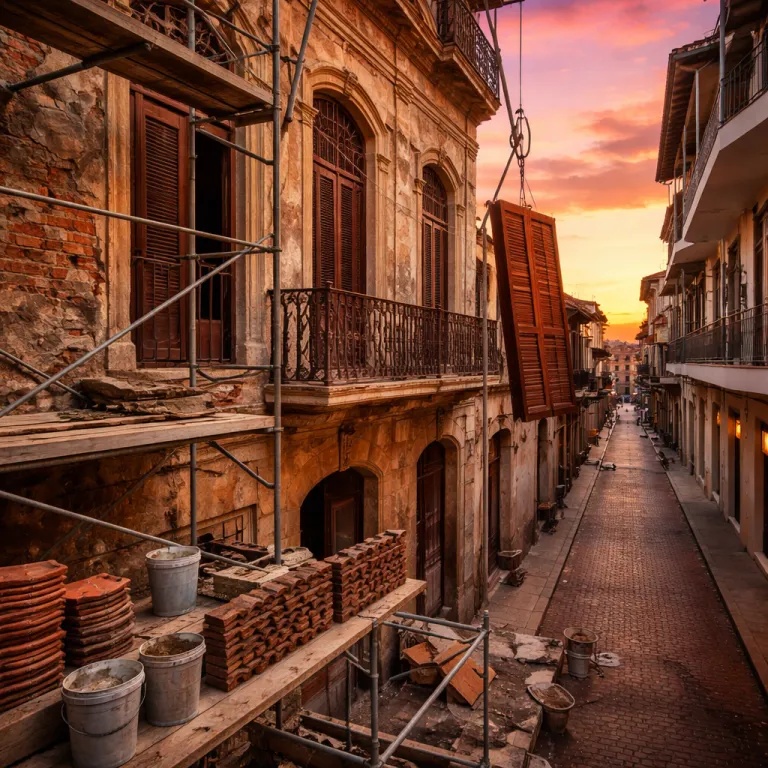
Heritage hotels in Casco Viejo, Panama City
Reading Casco Viejo’s streets like an open history book
Walk into Casco Viejo and the architectural history of Panama’s capital unfolds block by block. This compact historic district in Panama City was laid out on an orthogonal grid after the destruction of Panama Viejo, and every corner still reflects that defensive logic with thick walls, narrow streets and strategic views toward the bay. When you book a luxury property here, you are not just choosing a room in the city; you are choosing a front row seat to four centuries of urban memory in one of Latin America’s most atmospheric historic quarters.
The casco, or “shell”, was conceived as a safer replacement for the earlier Panama Viejo settlement, and Spanish colonists used stone and calicanto to anchor their new buildings against future attacks. Official records answer the question “Why was Casco Viejo built?” with a simple line: “To replace Panama Viejo after its destruction in 1671 by Henry Morgan’s forces.” That decision shifted the center of power in Panama City and created the historic area that now attracts travelers who want both refined hotels and a tangible sense of place, especially those searching for heritage hotels in Casco Viejo Panama City.
Today the casco antiguo is recognized as a UNESCO World Heritage Site, celebrated for its mix of Spanish colonial, French canal-era and Afro-Caribbean influences. The layered architectural story that fascinates specialists also matters for couples choosing where to stay, because each restored building tells you something about how seriously a hotelier treats heritage. When you compare properties in the historic district, travelers should look at façades, courtyards and plazas as carefully as they read room descriptions, and even consider image galleries with descriptive alt text such as “colonial courtyard hotel Casco Viejo Panama City”.
Colonial foundations and canal era elegance
The earliest layer of Casco Viejo’s built environment is Spanish colonial, visible in low-rise masonry buildings with interior patios and thick walls that temper the tropical heat. These structures, many dating from the late seventeenth century, form the backbone of the historic quarter and still define the human scale that makes the area so walkable. When a luxury hotel occupies a colonial-era building, its responsibility is to keep that scale intact while upgrading comfort to contemporary expectations and preserving original materials wherever possible.
Look at the churches to understand how colonial and religious power shaped daily life, especially around the plazas of San Francisco and Santo Domingo. Jesuit priests constructed significant structures like the famous Arco Chato, or Flat Arch, whose improbable span became a local symbol of engineering skill. The answer to “What architectural styles are present in Casco Viejo?” is clear: “Colonial, neoclassical and Afro-Antillean styles.” Around Plaza Simón Bolívar and Plaza de la Independencia, you can read the transition from pure Spanish colonial forms to later neoclassical façades that arrived with French and American canal ambitions, documented in surveys by the Instituto Nacional de Cultura de Panamá (INAC).
Canal-era prosperity brought French engineers and investors to Panama, leaving behind elegant balconies, mansard roofs and ornate ironwork that still grace many central buildings. This is where the story of the Panama Canal intersects with the historic peninsula, because the same global forces that reshaped trade also reshaped the skyline. When you evaluate a premium property in this area, notice whether the restoration respects those French details or replaces them with generic glass and steel that could belong in any city, and use hotel photos with alt text like “French balcony heritage hotel Casco Antiguo”.
Caribbean color, American influence and the plazas of power
Beyond the stone and stucco, Casco Viejo’s architecture carries a strong Afro-Caribbean imprint that arrived with workers from islands such as present-day Jamaica, Barbados and the Dominican Republic during canal construction. Their legacy appears in wooden balconies, bright paint and shaded galleries that soften the more rigid Spanish colonial grid. Many of the most atmospheric streets in casco antiguo Panama combine these Caribbean elements with older masonry, creating layered buildings that feel both historic and lived in, especially around side streets leading toward the waterfront.
American influence followed the canal’s completion and left its mark on certain public buildings and infrastructure, especially near the waterfront where views toward the Panama Canal still frame the horizon. In plazas named for Simón Bolívar and other heroes of Gran Colombia, you sense how the district once sat at the crossroads of empires and emerging republics. The political story of Colombia and Panama separating is not written only in textbooks; it is etched into statues, street names and the ceremonial scale of each plaza, which now double as open-air living rooms for guests staying in nearby boutique hotels.
For travelers choosing a luxury property, these plazas are more than pretty backdrops for sunset cocktails. A hotel facing Plaza Simón Bolívar or near the church of San Francisco offers immediate access to the most emblematic architecture, but it also sits on ground where debates about independence, canal control and urban identity played out. When you walk from your building to dinner, you are tracing the same routes that linked colonial governors, canal administrators and local residents over more than one century, and you quickly understand why Casco Viejo is considered the cultural heart of Panama City.
Restoration, displacement and how hotels shape the historic district
The recent wave of restoration in Casco Viejo has transformed crumbling shells into polished hotels, restaurants and galleries, raising urgent questions about who benefits from this new prosperity. Official summaries note “restoration of historic buildings” and “growth of tourism in the area”, and both trends are visible in the scaffolding, fresh paint and rising room rates. For couples booking a premium stay, the story of the neighborhood is no longer just about Spanish colonial arches; it is about the social architecture of who can still afford to live here, as documented in municipal housing reports and INAC conservation plans.
Many long-term residents of the historic quarter have faced pressure as property values climb, and some have moved to less central neighborhoods. Local studies estimate that thousands of residents have been relocated from the peninsula since large-scale rehabilitation began in the early 2000s, with census data showing a steady decline in low-income households inside the protected zone. The antes y después debate in Panama City asks whether the casco antiguo has become a stage set for visitors or a mixed community where heritage and everyday life can coexist. As one local guide explained during a walking tour, “Every restored balcony should also mean one more family that can stay.” When you choose a hotel in this area, you are effectively voting for one vision of the district over another.
Responsible luxury properties now collaborate with local artisans, hire staff from the surrounding streets and support conservation of key sites such as the ruins of Santo Domingo or restored convents. A thoughtful hotelier understands that preserving colonial architecture and canal-era buildings is not enough if the social fabric unravels around them. The American Trade Hotel, for example, occupies a restored early twentieth-century building on Plaza Herrera and highlights local design, music and community partnerships in its programming. As you compare options, look for transparent information about community programs, heritage conservation and how each property engages with the wider casco rather than just its own façade.
Choosing a heritage led luxury stay in Casco Viejo
For travelers who care about more than brunch, the right hotel in Casco Viejo turns architectural history into a lived experience. Start by mapping your priorities: do you want a quiet street near San Francisco, a view toward Panama Viejo and the bay, or immediate access to the livelier plaza network around Simón Bolívar? Each micro area within the casco antiguo offers a different balance of nightlife, heritage and intimacy, and the best choice depends on how you like to explore a city and how close you want to be to the main heritage hotels Casco Viejo Panama City is known for.
When reviewing properties, study how each building sits within the urban grid and how much original fabric remains behind the restored façade. A hotel that keeps interior patios, calicanto walls and traditional balconies usually offers a more authentic sense of place than one that guts the interior to create oversized suites. Ask directly whether the property participates in conservation of nearby churches, supports research into Casco Viejo’s architectural evolution or contributes to maintenance of public spaces in the historic district, and check whether room descriptions and photos clearly reference these heritage features.
Couples planning a wider Panama itinerary can pair a few nights in Casco Viejo with time on the Caribbean coast or in Bocas del Toro, where overwater villas bring a different expression of national style. Recent design proposals for overwater retreats in Bocas del Toro, highlighted by local hospitality platforms, show how conversations about architecture now link the canal, the capital and the archipelagos in one continuous narrative. By spending thoughtfully in both city and coastal properties, you help ensure that colonial architecture, canal-era buildings and contemporary design all have a sustainable future in Panama’s cultural landscape, reinforcing the value of responsible tourism across the country.
FAQ
Why was Casco Viejo created after Panama Viejo?
Casco Viejo was established after pirates under Henry Morgan destroyed Panama Viejo, and authorities needed a more defensible location for the capital. The new site used fortified walls and an orthogonal street grid to improve security and control. This move shifted the political and commercial heart of Panama City to the peninsula that now forms the historic district, later recognized by UNESCO for its outstanding universal value.
What architectural styles define Casco Viejo today?
Casco Viejo combines Spanish colonial buildings, later neoclassical façades and Afro-Caribbean elements introduced during the canal era. This mix reflects successive waves of Spanish, French and American influence tied to trade and the Panama Canal. The result is a compact urban area where churches, plazas and townhouses from different centuries coexist within a walkable grid, making it ideal for architecture-focused walking tours starting directly from your hotel.
Is Casco Viejo recognized as a World Heritage Site?
Yes, Casco Viejo is listed by UNESCO as a World Heritage Site because of its outstanding combination of colonial, canal-era and Caribbean architecture. The designation covers the historic district’s streets, plazas and major religious and civic buildings. This status encourages careful restoration and makes the area especially attractive for heritage-focused luxury hotels, which often reference the UNESCO listing and INAC guidelines in their restoration narratives.
How can I choose a hotel that respects local heritage?
Look for properties housed in restored historic buildings that retain original patios, balconies and structural details. Responsible hotels usually share information about their conservation work, local hiring and support for nearby cultural institutions. Reading independent reviews and asking specific questions about restoration choices will help you identify stays that align with your values, especially if you prioritize authentic heritage hotels in Casco Viejo Panama City over generic luxury towers.
What is the best way to explore Casco Viejo’s architecture from my hotel?
Choose a centrally located property within the casco antiguo so you can walk to key plazas and churches. Early morning and late afternoon are ideal for appreciating façades, courtyards and rooftop views without intense heat. Many luxury hotels can arrange guided walks with historians or architects, which deepen your understanding of the neighborhood’s layered past and help you interpret details you might otherwise overlook.
Sources
UNESCO World Heritage Centre (listing for “Archaeological Site of Panamá Viejo and Historic District of Panamá”); Instituto Nacional de Cultura de Panamá (INAC) conservation reports on Casco Antiguo; Autoridad de Turismo de Panamá visitor statistics; local heritage guides and architectural surveys of Casco Antiguo; municipal housing and displacement studies for the historic district.