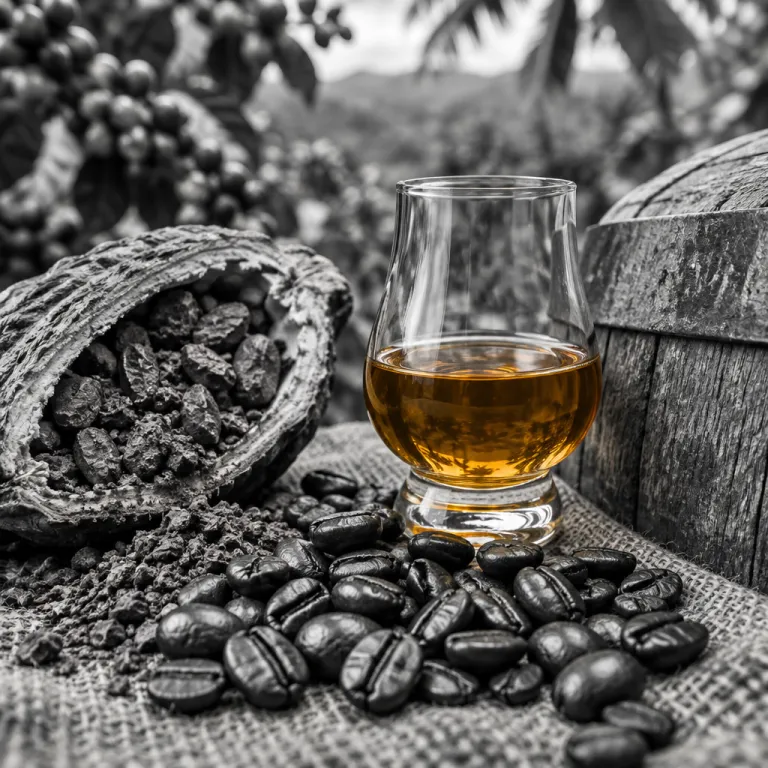
From Panama City lobbies to highland coffee circuits
Luxury in Panama now begins long before you reach your room. High-end hotels in Panama City quietly curate the first step of a Panama coffee farm tour, steering guests from skyline pools toward misty slopes in the Chiriquí highlands. For independent travelers, this shift means you can plan a coffee circuit that feels both polished and deeply local.
Most itineraries start with one or two nights in the capital, where you adjust to the tropical climate and map out your travel to the coffee farms. Stay in a refined tower near the Cinta Costera, then ask the concierge to arrange a private coffee tour that links Boquete, Panama with the lesser-known Tierras Altas plateau. As you plan the trip, think of Panama City not only as a transit hub but as the place where you taste your first cup of coffee made with Panamanian coffee beans roasted the same day.
Solo explorers will appreciate how luxury properties now bundle agritourism into their stay offers. Some hotels include a full-day visit to a working coffee plantation in their premium room categories, while others provide tailored introductions to specific coffee farms that match your interests. For a deeper urban prelude, study this insider guide to where to stay in Panama City for design-forward comfort before heading west toward coffee Boquete and the highlands.
Geisha estates in Boquete and Tierras Altas: where luxury meets the soil
Boquete sits in a cool valley where volcanic soil, altitude and Pacific breezes shape some of the best coffee on earth. Here, a Panama coffee farm tour becomes a masterclass in how a single farm can produce a cup of coffee that sells for hundreds or even thousands of euros per kilogram at auction, as documented in recent Best of Panama competition results on the Specialty Coffee Association of Panama website. The surrounding Tierras Altas region, stretching toward Volcán, adds quieter slopes and fewer crowds for travelers who prefer a more private experience.
On the ground, the most sought-after stops are the Geisha-focused estates, including legendary Hacienda Esmeralda, where Geisha coffee farmers have turned meticulous cultivation into an art form. A guided coffee tour here lets you walk the rows of Geisha trees, learn how shade, elevation and selective picking influence flavor, and then sit for a structured tasting of multiple coffees side by side. When you taste Panamanian specialty coffee from Geisha cherries next to a more traditional variety, you understand why “What is Geisha coffee?” is answered simply as “A rare coffee variety known for floral and fruity notes.” Booking details and current prices are listed on the official Hacienda Esmeralda site, where tours often start around US$40–60 per person.
Luxury hotels in Boquete, Panama now weave these visits into curated tours that feel seamless rather than rushed. You might start at a historic finca above town, continue to a neighboring coffee farm that still uses hand-powered processing equipment, then end with a slow lunch overlooking the valley view. For couples or solo travelers who want agritourism balanced with atmospheric evenings, this guide to romantic luxury stays in Casco Viejo pairs beautifully with a few nights in the highlands, creating a two-center trip that feels both urban and deeply rural.
Designing your Panama coffee farm tour: circuits, tastings and hidden fincas
Once you leave Panama City, the key decision is how to structure your coffee circuit through Boquete and Tierras Altas. Some travelers prefer a single flagship coffee plantation, while others build a full day of tours that link several farms, each with a different style and altitude. For a solo explorer, a private driver or hotel-arranged transfer often offers the best balance of flexibility and safety, especially on winding mountain roads. The drive from Panama City to Boquete takes roughly 7–8 hours by road or about 1 hour by domestic flight to David plus a 45-minute transfer to the valley.
A thoughtful Panama coffee farm tour will usually include at least one heritage finca, one innovation-focused farm and one small-scale project where you can talk directly with the owners. In Boquete, Panama, look for visits that combine walking the coffee farms with hands-on sorting or roasting, so you learn each step from cherry to cup. Many estates now offer specialty coffee tastings where you compare multiple coffees, including Geisha, Catuai and Caturra, in a structured flight that feels closer to a wine experience than a simple drink. Expect to pay around US$30–80 per person for half-day experiences, with private tastings at top Geisha estates at the higher end.
Hidden gems include smaller projects such as Finca Dos or family-run farms sometimes referred to as Dos Jefes, where the emphasis is on conversation rather than volume. Here, your coffee tour might end with a quiet cup of coffee on a terrace, watching clouds slide over the region while your host explains how Panama competes with neighboring Costa Rica in the global specialty coffee scene. Before you head west, use this map-driven guide to where Panama City actually eats to align your urban dining with the flavors you will later taste at the source.
Beyond coffee: cacao ceremonies and Ron Abuelo at Hacienda San Isidro
Panama’s agritourism story extends far beyond any single coffee farm. Along the Caribbean side, cacao farms and eco-lodges host cacao ceremony facilitators who guide guests through rituals that connect taste, history and community. A typical visit includes walking through a cacao plantation, learning how beans are fermented and dried, then joining a ceremony where ground cacao is prepared and shared in a quiet, intentional setting.
In the Azuero Peninsula, Hacienda San Isidro, home of Ron Abuelo, offers a different but equally layered experience. Here, Ron Abuelo distillers lead guests from sugarcane fields by traditional oxcart to the distillery, where rum distillation apparatus and aging warehouses reveal how time shapes flavor. One of the most common questions, “Who produces Ron Abuelo rum?” is answered clearly on site and in Varela Hermanos S.A. materials as “Varela Hermanos S.A. in Panama,” with additional background and booking information available on the official Varela Hermanos and Ron Abuelo pages.
Luxury hotels across the country now integrate these agritourism experiences into their concierge menus, pairing a Panama coffee farm tour in Boquete with a cacao-focused stay in Bocas del Toro or a rum tasting at Hacienda San Isidro. Food tourism is becoming far more important as travelers seek not only the best coffee but also bean-to-bar chocolate and premium rums that reflect specific plots of land. When you plan the trip, consider how a sequence of tours, from coffee Panama tastings to cacao ceremonies and Ron Abuelo flights, can create a narrative that feels both indulgent and grounded in place.
How luxury hotels curate agritourism for solo travelers
For solo guests, the right hotel can turn a complex agritourism itinerary into a relaxed, secure experience. High-end properties in Boquete, Tierras Altas and Panama City now maintain direct relationships with coffee farms, cacao cooperatives and Hacienda San Isidro, which means your tours are vetted and logistics are handled. This matters when you are moving between remote valleys, small towns and working plantations where public transport is limited.
Many luxury hotels offer tiered options, from small-group tours to fully private excursions with bilingual guides who understand both coffee science and local culture. A well-designed Panama coffee farm tour arranged through your hotel will usually include transport, farm access, tastings and time to explore the grounds at your own pace. Some properties go further, integrating Panamanian coffee into spa treatments, in-room brewing setups for specialty coffee and chef-led dinners that pair Geisha coffees with regional dishes.
When you evaluate hotels on a site like mypanamastay.com, look for clear information about which coffee farms, cacao plantations and rum producers they partner with. Properties that highlight specific names such as Hacienda Esmeralda, Finca Dos or Hacienda San Isidro usually offer deeper, more authentic access than those that mention only generic tours. As you plan trip details, ask whether your stay can include multiple tours across different farms and regions, so you experience not just one cup of coffee but the full spectrum of what makes the best Panama agritourism so compelling. For peak harvest months and popular Ron Abuelo or cacao experiences, aim to secure hotel and tour reservations at least four to six weeks in advance.
FAQ: planning a Panama coffee farm tour and agritourism stay
When is the best time to visit coffee farms in Panama ?
The peak coffee harvest in Boquete and Tierras Altas runs roughly from December to March, when trees are heavy with ripe cherries and processing mills are fully active. A Panama coffee farm tour during this period lets you see picking, pulping and drying in real time, which adds depth to every cup of coffee you taste. Outside harvest, farms remain open, but the focus shifts toward walking the plantations, learning about pruning and enjoying cooler highland weather.
What happens during a typical coffee tour in Boquete ?
A standard coffee tour in Boquete, Panama usually begins with a walk through the plantation, where guides explain varieties such as Geisha and how altitude shapes flavor. You then visit the processing area to see depulping, fermentation, washing and drying, often using a mix of traditional tools and modern equipment. The visit ends with a guided tasting of several coffees, including Panamanian coffee brewed as pour-over or espresso, so you can compare profiles and understand why some lots are considered the best coffee in the region.
How do cacao ceremonies differ from regular chocolate tastings ?
Cacao ceremonies in Panama are structured rituals rather than casual tastings, led by cacao ceremony facilitators who frame cacao as a plant with cultural and spiritual significance. Guests usually grind roasted cacao, mix it with water or spices and share it in a circle, often with moments of reflection or guided meditation. By contrast, a standard cacao farm visit focuses more on the bean-to-bar process, sampling chocolates and learning how terroir affects flavor, without the ceremonial component.
Can I visit Hacienda San Isidro and Ron Abuelo as an independent traveler ?
Independent travelers can visit Hacienda San Isidro in Pesé by arranging tours directly or through hotels in the Herrera region or Panama City. The experience typically includes transport around the property, a look at sugarcane fields, a distillery tour and a structured tasting of Ron Abuelo rums, sometimes including older expressions aged for decades. Booking through a luxury hotel often adds benefits such as private transfers, bilingual guides and the option to pair the visit with other agritourism stops.
Do I need to book agritourism experiences in advance ?
Advance booking is strongly recommended for high-demand coffee farms such as Hacienda Esmeralda, for cacao ceremonies with limited group sizes and for Ron Abuelo tours at Hacienda San Isidro. Luxury hotels can often secure last-minute spots, but solo travelers relying on public transport or rental cars will have a smoother experience with confirmed reservations. As a rule, reserve key tours at least a few weeks before you travel, then leave smaller tastings or additional visits flexible for spontaneous detours.
Sources
Best of Panama competition reports via the Specialty Coffee Association of Panama; Hacienda Esmeralda official tour information; Varela Hermanos S.A. and Ron Abuelo official pages; Lost and Found blog on Panamanian food tourism.