Wondering if Casco Viejo is the best area to stay in Panama City? Compare historic-quarter hotels, walking distances, rooftop pools and who this neighborhood suits best.
Is Casco Viejo the best area to stay in Panama City?
Is Casco Viejo the right area for your stay?
Stone streets, low-slung colonial façades, the Pacific just beyond the sea wall – Casco Viejo is the part of Panama City that actually makes you slow down. This is not the business district of glass towers, but the historic peninsula where you walk instead of hail a taxi and where a night out can unfold within three blocks. For many guests, it is the single best area to feel the city rather than just transit through it.
The district, also called Casco Antiguo or Viejo Panamá by locals, concentrates a high number of characterful hotels in a compact grid. You can step out of a marble lobby and be at Plaza Bolívar or the Paseo de Las Bóvedas in under five minutes on foot (around 350–400 m from most central streets). That proximity is the real luxury here. If your idea of a good stay is to check the city’s main museums, wander churches, then return to a rooftop pool before dinner, Casco Viejo fits almost perfectly.
There are trade offs. The area is lively at night, especially around Calle Uruguay and the lanes behind Plaza Herrera, so light sleepers should check room orientation carefully. Streets are narrow and often cobbled, which is atmospheric but not always friendly to high heels or heavy luggage. For travelers who want a quiet resort feel, other parts of Panama City may suit better, but for urban explorers and culture-focused guests, this is the city’s most compelling base.
What the Casco Viejo hotel scene really feels like
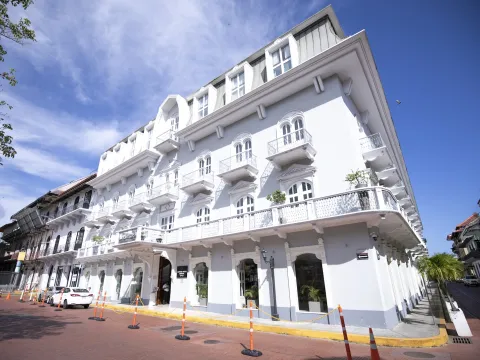
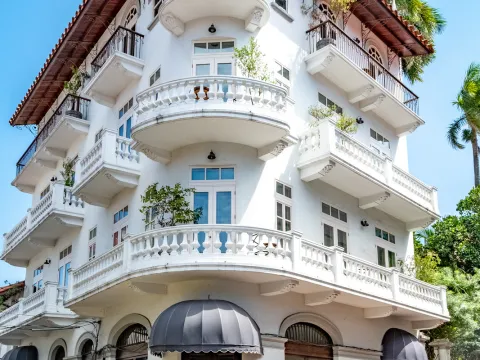
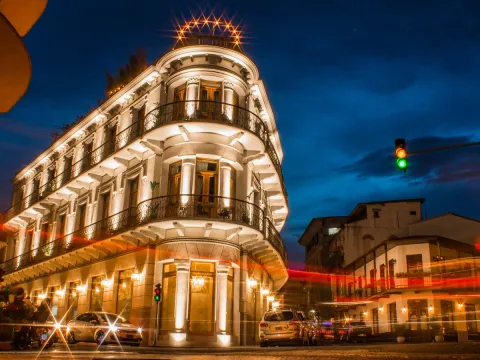
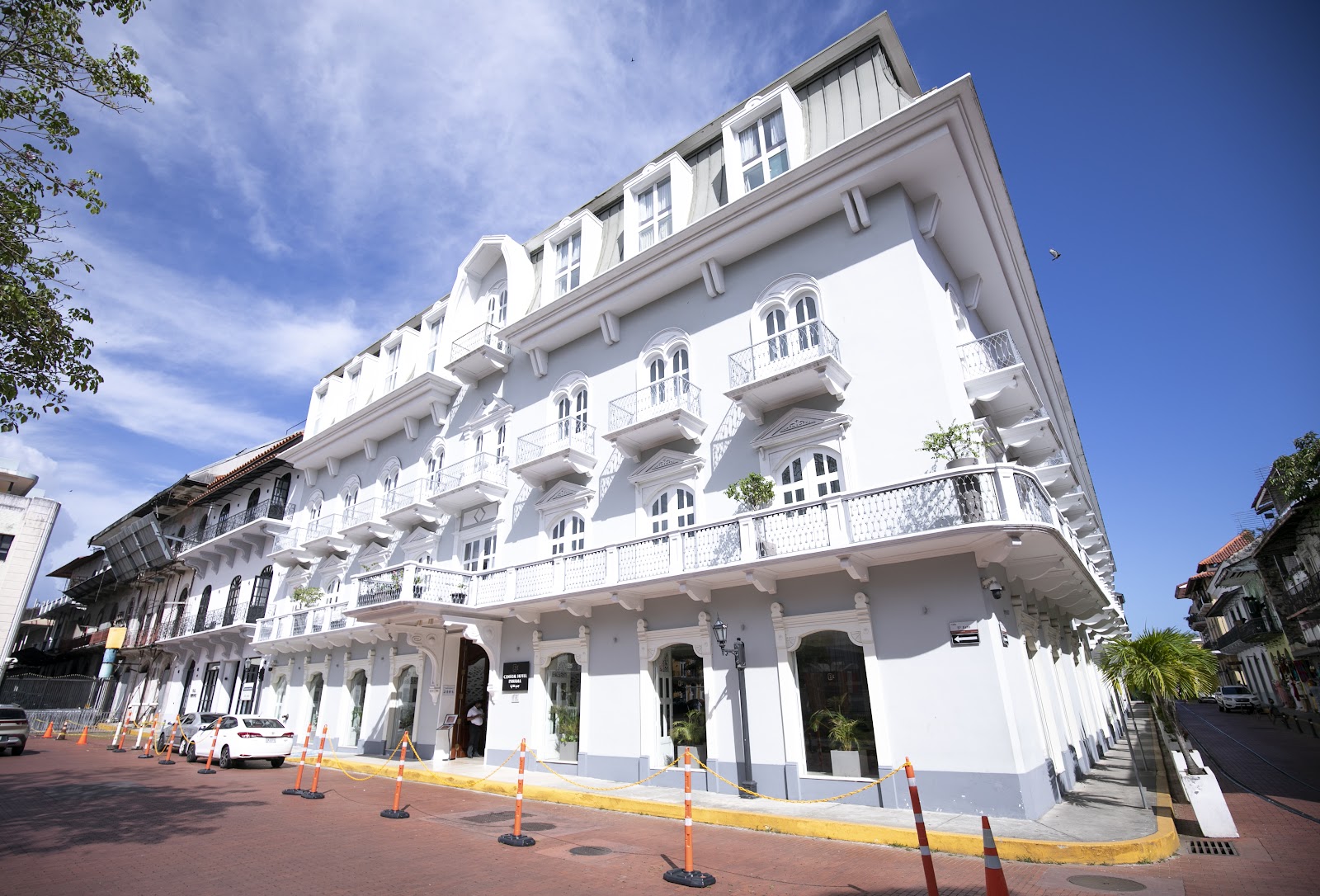
Restored townhouses with internal courtyards, high ceilings and balconies looking over tiled roofs define the hotel offer here. Many properties occupy early 20th century buildings that once housed merchants or families linked to the canal era, and that history still shapes the atmosphere. You feel it in the thick walls, the patterned tiles underfoot, the way light falls through wooden shutters in the late afternoon.
Most hotels in Casco are on a human scale, often with fewer rooms than the big addresses in the modern city. That means more intimate public spaces – a small bar where staff remember your drink, a compact pool on the roof rather than a sprawling deck. Guests who value discretion and a sense of place tend to rate these stays highly, while those expecting resort-style facilities sometimes find them limited. It is a question of priorities, not quality.
The service culture leans warm and informal. English is widely spoken, but you will hear staff switch easily between Spanish and English with a friendly, unhurried tone. When you read recent reviews of hotels in this part of Panama City, “wonderful staff” and “very friendly team” appear again and again on major booking platforms. If you prefer polished but slightly distant service, the big international addresses outside Casco Viejo may align better with your expectations.
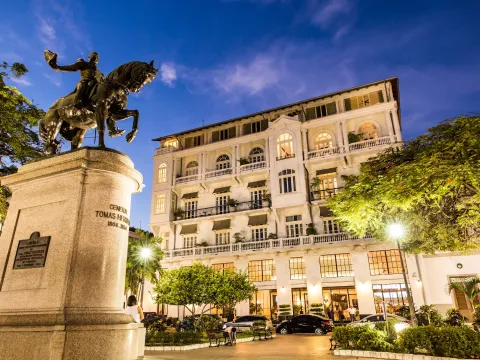
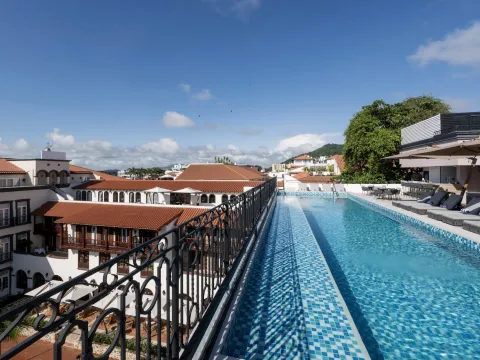
To get a feel for the range, consider a few representative options (ratings and price bands are indicative and may change): American Trade Hotel (often listed as 4–5 stars, upper-mid to luxury, known for its leafy courtyard pool and live jazz nights), Central Hotel Panama Casco Viejo (around 4–5 stars, upper-mid, with a rooftop pool facing Plaza de la Independencia), La Concordia Boutique Hotel (boutique 4-star, upper-mid, prized for large balconies and butler-style service), Hotel Casa Panamá (3–4 stars, mid-range, with a rooftop bar overlooking the bay), Tantalo Hotel (3–4 stars, mid-range, famous for its colorful art rooms and lively rooftop), Magnolia Inn (3-star guesthouse, budget to mid-range, appreciated for quiet, apartment-style rooms), and Las Clementinas (boutique 3–4 stars, mid to upper-mid, offering spacious suites with kitchenettes and a garden patio). Checking recent guest reviews on trusted booking sites is the best way to confirm current star ratings, prices and amenities.
Location, streets and what is actually within walking distance
Stand at Plaza de la Independencia and you are effectively in the centre of the district. From here, most hotels lie within a 500 m radius, either toward the waterfront on Avenida A or deeper into the grid along streets like Calle 8a Este and Avenida Central. This density makes it easy to compare several properties and still know you will be able to walk everywhere once you arrive.
The waterfront side, facing the Cinta Costera and the entrance to the canal, offers wide views and a constant breeze. Hotels here often have rooftop pools and terraces that look over the skyline of Panama City, with the skyscrapers of Punta Paitilla and Costa del Este glowing at night. Inland streets, closer to the border with the Santa Ana neighborhood, feel more residential and local, with corner shops, kids playing football and a slightly rougher edge that some guests find more authentic, others less comfortable.
Key cultural anchors sit close by. The main museum of Panama City’s canal history near Plaza de la Independencia is roughly a 3–5 minute walk (about 250–350 m) from many central hotels, as are several smaller museum Panamá experiences housed in former colonial buildings. Churches, plazas and the presidential palace cluster along the spine of Casco Viejo, so you can move between them on foot without planning: expect 5–10 minutes (400–800 m) between most major squares. If you want to combine historic wandering with quick access to the city’s financial district, taxis and ride services from the edge of Casco usually reach the skyscraper zone in around 15 to 20 minutes, traffic permitting.
For quick trip-planning, think in simple walking times from a typical central hotel near Plaza Mayor: 2–4 minutes to Plaza Bolívar, 3–6 minutes to the waterfront promenade on Avenida A, 8–12 minutes to the start of the Cinta Costera walkway, and around 10–15 minutes to the Mercado de Mariscos (fish market) at the base of the causeway.
Rooms, pools, bars and the details that matter
Inside, rooms in Casco Viejo hotels tend to favour character over uniformity. Expect original or reproduction tiles, high doors, ceiling fans paired with modern air conditioning, and windows that open onto either narrow streets or internal patios. Some properties carve generous suites out of former apartments, while others offer compact rooms that trade space for location. When you check room descriptions, pay attention to whether you face the street or courtyard – it can change the feel of your stay entirely.
Rooftop pools are one of the area’s quiet luxuries. They are rarely large, but a small pool with a view over the bay or the domes of San José church can be more memorable than a bigger, anonymous one elsewhere in hotels Panamá. Many rooftops double as bars, so you might share the space with outside guests in the evening. If you want a peaceful swim, late morning or early afternoon is usually best, before the sunset crowd arrives for a drink.
Bars and restaurants inside these hotels often become destinations in their own right. You will find cocktail lists built around local rum, Panamanian coffee used in desserts and a clear pride in regional ingredients. Some properties lean into a “legend” narrative, referencing the canal era or old city stories in their décor and menu names. Others keep things more contemporary. Either way, if food and drink are central to your trip, it is worth reading detailed reviews of each hotel’s dining spaces rather than assuming they are interchangeable.
To compare quickly, think in terms of a simple checklist: rooftop pool or not, bar open to the public or hotel guests only, quiet courtyard rooms versus street-facing balconies, and whether breakfast is included and served outdoors. Matching these details to your priorities will matter more than chasing an extra half-star on paper.
Who Casco Viejo hotels suit best – and who should think twice
Travelers who like to walk, linger in cafés and explore architecture will get the most from a hotel in Casco Viejo. The area works particularly well for couples, solo travelers and small groups of friends who enjoy evenings in rooftop bars, live music venues and intimate restaurants rather than large clubs. If your ideal night is a slow dinner followed by a drink overlooking the bay, this is your part of Panama City.
Families can also enjoy the district, but should choose carefully. Some properties have limited lift access or many stairs, which is not ideal with strollers. Pools are often shallow and more designed for cooling off than for children to play for hours. If you are traveling with young kids, check whether the hotel offers larger rooms or connecting options, and whether the immediate streets feel comfortable for early evening walks back from dinner.
Pet friendly options exist but are not universal. If you plan to travel with a dog, you will need to check each hotel’s policy in detail rather than assume acceptance. For business travelers, Casco Viejo can be a rewarding base if your meetings are scattered across the city and you value atmosphere over proximity to offices. If you need to be in and out of the financial district several times a day, staying closer to that part of Panama City may be more efficient.
As a quick guide, couples and solo travelers usually prioritise rooftop views, walkable nightlife and characterful rooms; families tend to focus on room size, lift access and calmer streets; business guests often look for strong Wi‑Fi, desks in the room and easy taxi access at the hotel door.
How to choose between Casco Viejo and the modern city
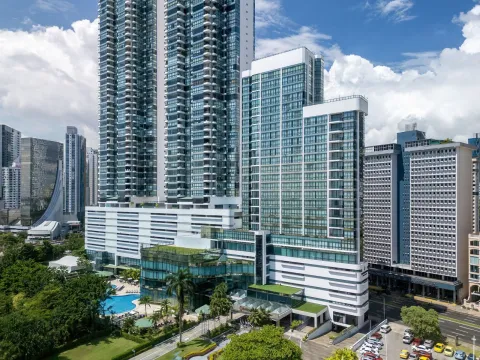
Think of Panama City as two main experiences. The glass-and-steel skyline with its shopping malls and wide avenues, and the compact, historic grid of Casco Viejo. A hotel in the historic quarter gives you immediate access to plazas, churches and the waterfront promenade, while a stay in the modern city puts you closer to corporate offices, large convention spaces and some of the city’s biggest malls.
Casco Viejo wins on atmosphere, walkability and sense of place. You can wake up, step out and be in front of the cathedral on Plaza Mayor in under three minutes from many addresses. The modern city wins on ease of movement by car and the breadth of large-hotel facilities. If you are in Panama for a short leisure break, two or three nights in Casco followed by a night in the newer districts can be a good compromise, allowing you to experience both sides of the city without constant commuting.
When you check availability, consider your daily rhythm. If your days will be spent on excursions – the canal locks, rainforest trips, the causeway – returning to the calm of Casco Antiguo in the evening can feel like a reward. If your schedule is packed with early meetings and late events in the business district, the extra time in traffic may outweigh the charm. There is no single “best” area, but for many first-time visitors, starting in Casco Viejo sets the tone for a more memorable stay.
One simple example itinerary: spend your first afternoon walking from Plaza de la Independencia to Plaza Bolívar and along the sea wall (about 1.5–2 km total), then end with sunset drinks on a rooftop. The next morning, visit the canal museum and a church or two before taking a taxi to the Miraflores Locks, returning to Casco for dinner. A second day could combine a late breakfast in a plaza café, a stroll to the fish market and Cinta Costera, and a relaxed evening in your hotel courtyard.
Practical booking tips for Casco Viejo hotels
Demand in Casco Viejo is high relative to its size, especially during dry season and around major events. With roughly a couple of hundred properties in and around the historic grid, the choice is broad but the most characterful addresses can fill quickly. Booking early gives you a better chance of securing a room with a view, a quieter courtyard position or access to a rooftop pool, rather than simply taking what is left.
Before you confirm, look beyond the overall rating and read how guests describe noise, light and street life around the hotel. A place praised for its lively bar might be less wonderful if you are hoping for silence by 22.00. Check whether breakfast is served on a terrace, in a courtyard or in an interior room – it changes the feel of your mornings more than you might expect. If sunrise views over the bay matter to you, verify the orientation of your room rather than assuming every “sea view” is equal.
Transport is another detail worth checking. Some hotels sit right on the edge of the peninsula, making it easier for taxis to reach the entrance, while others are tucked deeper into the grid where cars cannot always stop directly outside. If you are arriving late at night or with heavy luggage, that last 100 m can feel long. Finally, remember that Casco Viejo is a living neighborhood, not a museum. Street music, church bells and the occasional festival are part of the experience – choose it knowingly, and the city will reward you.
For usability, save a simple offline map with your hotel pinned, note approximate walking times to the plazas you care about most, and keep a shortlist of two or three backup properties in case your first choice in Casco Viejo is unavailable on your dates.
Is Casco Viejo a good area to stay in Panama City?
Casco Viejo is one of the best areas to stay in Panama City if you value history, walkability and atmosphere over large-scale resort facilities. You can reach major plazas, churches and the waterfront on foot, enjoy rooftop bars and small pools with views, and feel part of the city’s daily life rather than isolated in a tower. It suits couples, solo travelers and culture-focused guests particularly well.
What can I walk to from a hotel in Casco Viejo?
From most hotels in Casco Viejo you can walk to key sights such as the main cathedral on Plaza de la Independencia, several historic churches, small museums about Panama’s history and the waterfront promenade along the bay. Restaurants, cafés and bars cluster around the main plazas and side streets, so you can easily spend a full day and evening without needing a car. Taxis and ride services are available at the edge of the district for longer trips.
Are Casco Viejo hotels noisy at night?
Some streets in Casco Viejo are lively at night, especially around popular bars and rooftops, so noise can be an issue in rooms facing those areas. Quieter options exist on side streets or around internal courtyards, where thick walls and inward-facing windows reduce sound. When choosing a hotel, check room descriptions and guest comments about noise, and request a courtyard or interior room if you are a light sleeper.
Is Casco Viejo suitable for families?
Casco Viejo can work well for families who enjoy walking and exploring historic streets, but it requires a bit of planning. Many hotels have smaller pools and some have stairs or limited lift access, which can be challenging with strollers. Families should look for larger rooms or connecting options and consider how comfortable they feel walking narrow, sometimes uneven streets with children, especially after dark.
How far is Casco Viejo from the modern business district?
Casco Viejo sits on a small peninsula west of the main skyscraper zone of Panama City, and the drive between the two areas typically takes around 15 to 20 minutes depending on traffic. This makes it feasible to stay in the historic quarter while attending occasional meetings in the business district. If your schedule involves multiple daily trips, however, staying closer to the financial area may be more practical.